A deep freeze can strain plumbing, heating equipment and other parts of your home within hours. Preparing before temperatures drop helps prevent water damage, heating interruptions and unsafe indoor conditions. Focus on the areas most exposed to cold air, then confirm that your household has the supplies needed to handle a short outage or unexpected repair.
Protect Plumbing Lines From Freezing
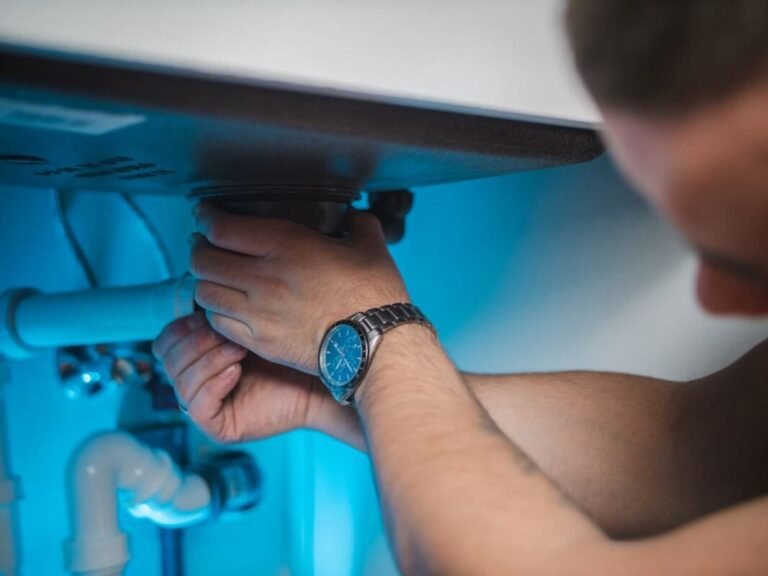
Start with pipes in unheated spaces such as basements, crawl spaces, garages and cabinets along exterior walls. Add foam pipe insulation where needed and seal nearby gaps that allow cold air inside. Disconnecting outdoor hoses and shutting off interior valves that serve exterior faucets can also help prevent frozen pipes when temperatures fall sharply.
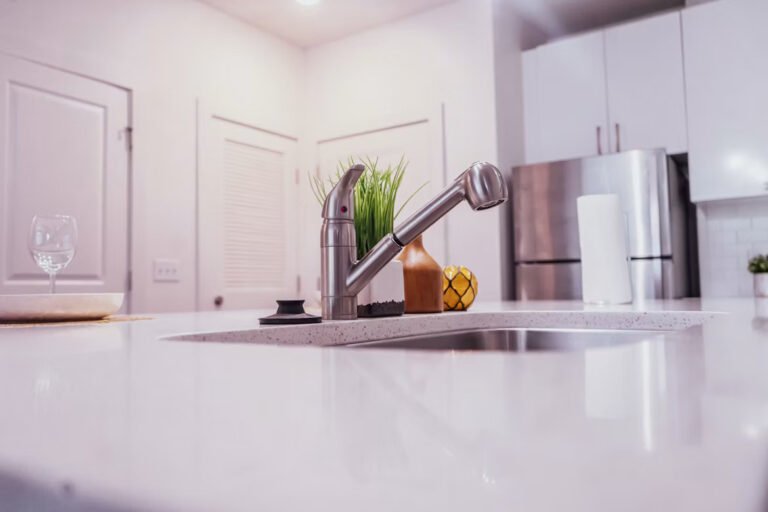
During extreme cold, open sink cabinet doors so warm indoor air can reach the plumbing. A small stream of water may help protect a vulnerable line overnight. Keeping the home heated and knowing where the main shutoff is located are also important ways to protect pipes from freezing.
Regular plumbing maintenance throughout the year can also help identify leaks, worn fixtures and other problems before winter weather makes them harder to manage.
Clear Exterior Vents and Flues
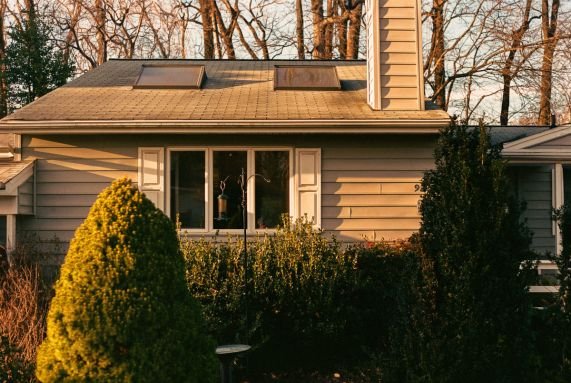
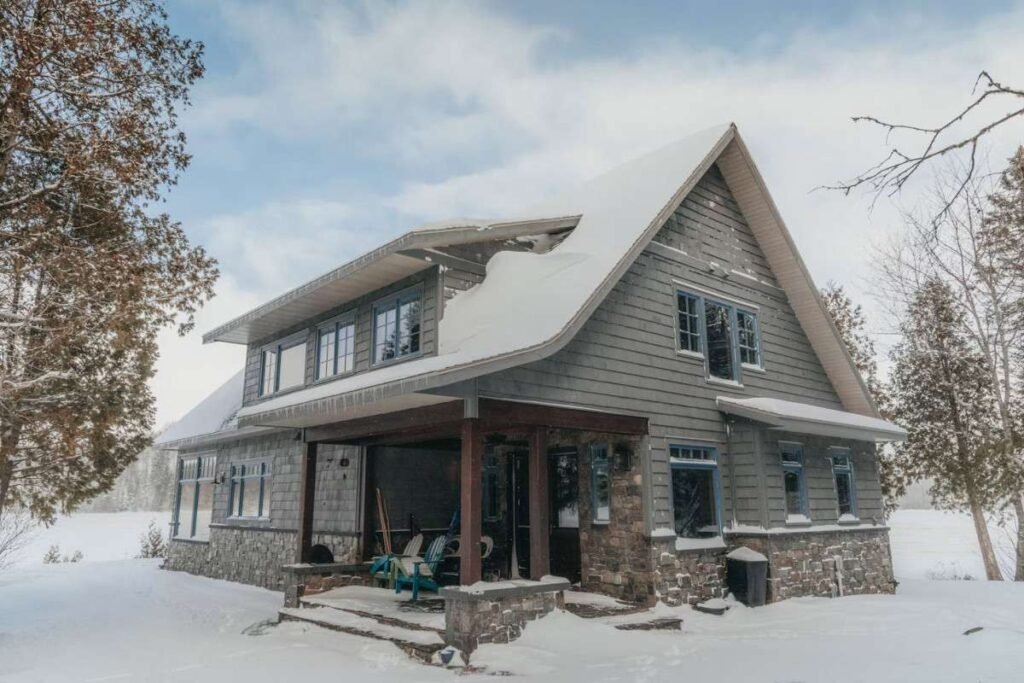
Walk around the house after heavy snow or wind and inspect exterior vents. Dryer outlets, heating system vents and other exhaust openings can become blocked by drifting snow, leaves or ice. A blockage may keep equipment from operating correctly and can allow dangerous gases to build up indoors.
Remove loose snow with a soft brush, taking care not to damage vent covers or push debris farther into the opening. Keep snow piles several feet away from vents when shoveling. From ground level, check visible roof vents and flues for heavy accumulation. If ice, structural damage or difficult roof access is involved, call a qualified professional instead of climbing onto a slippery surface.
Schedule Timely Gas Heater Repair
Test your heating system before the coldest weather arrives. Listen for banging, scraping or repeated cycling and pay attention to rooms that remain noticeably colder than the rest of the house. Rising heating bills, weak airflow and unusual odors also warrant professional attention.
If the system struggles to maintain the thermostat setting or shuts down repeatedly, arrange gas heater repair before the next temperature drop. Waukesha homeowners can have a trained technician inspect the equipment, identify failing parts and address performance problems. Replace the filter according to the system manufacturer’s instructions, but leave internal repairs and combustion-related adjustments to a qualified HVAC professional.
Keep furniture, storage boxes and curtains away from registers and heating equipment. Clear airflow helps the system distribute heat evenly and reduces unnecessary strain during long periods of operation.
Stock Household Safety Essentials
Cold-weather supplies should cover warmth, lighting, communication and basic household needs. Keep flashlights where you can find them easily and store fresh batteries nearby. A charged portable power bank can keep a phone working during a brief outage, while blankets and layered clothing help everyone stay warm without unsafe heating methods.
Check smoke alarms and carbon monoxide alarms before winter, then replace expired units and weak batteries. Store enough drinking water and shelf-stable food for several days, along with any necessary medications and pet supplies. An accessible fire extinguisher, first-aid kit and manual can opener round out a practical home kit.
Write down utility and repair phone numbers in case internet service fails. If your home becomes dangerously cold or an alarm sounds, leave the property and contact the appropriate emergency service from a safe location.
A quick inspection before each major cold snap can catch a snow-covered vent, exposed pipe or struggling heater before it becomes an urgent problem. Set a reminder to check these areas when the forecast first calls for several hours below freezing.
Related Posts




I love having dance parties in the kitchen with my family, traveling, and mason jar creations.
Follow on Pinterest