Fitness culture is becoming social again. After years of headphones, app-based plans, and highly individualized routines, more people are looking for movement that also delivers structure and human connection. This shift reflects a growing awareness that other people can make exercise more enjoyable, more consistent, and easier to fit into real life.
The Isolation of Solitary Sweating
Working out alone offers freedom. You can choose the time, set the pace, and change your plan without consulting anyone. Yet that flexibility can turn into an easy exit when motivation dips. Skipping a Tuesday session barely registers when no one expects you to arrive.
The social cost matters too. Remote work and digital services have removed many small interactions from daily life, leaving exercise as one of the few chances to share physical space with others. An overview of group exercise benefits highlights findings related to stress, social connection, and quality of life. A familiar instructor or a quick chat after class may seem minor, but those repeated encounters help movement feel like part of a fuller routine.
Finding Collective Accountability
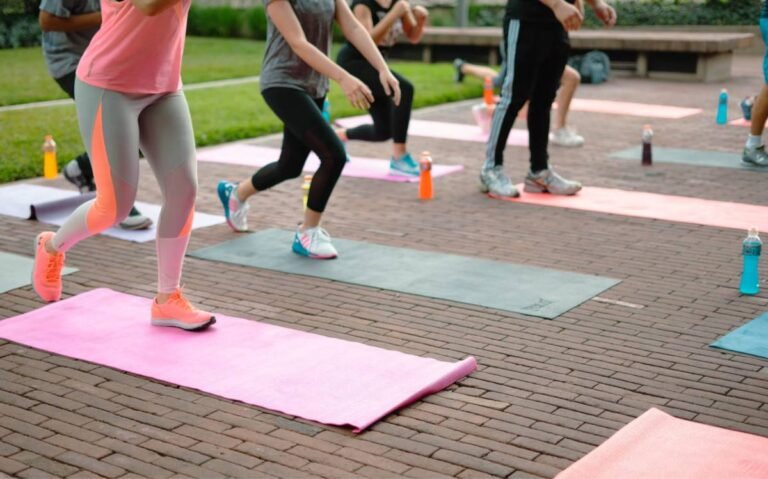
A shared schedule turns an intention into an appointment. If a cycling class begins at 6 p.m., there’s less room for the familiar promise to exercise “later.” You pack your clothes, arrive on time, and follow a session that someone else has already planned.
That makes group fitness classes a practical option for people who struggle to build their own programs or to keep moving once the initial enthusiasm fades. Choose a format that matches your current ability and interests, then attend the same time slot for three or four weeks. Yoga, Pilates, aerobics, and spin classes each create a different atmosphere, so try more than one before settling into a rhythm. Consistency usually grows faster when the class feels challenging, welcoming, and realistic for your schedule.
How Social Circles Fuel Consistency
Social motivation works best when it feels supportive instead of watchful. A friend who texts, “See you at 7,” creates a useful prompt without turning exercise into a performance review. The same effect develops when regular attendees begin recognizing one another and notice an absence.
Research into collective social resonance examines how shared emotional and relational experiences can shape well-being. In a fitness setting, that connection may emerge through synchronized movement, a common goal, or simple encouragement during a difficult interval.
You can build this effect deliberately. Introduce yourself to one person, book the next session before leaving, and keep a shared calendar with a workout partner. If you miss a class, return at the next scheduled time instead of waiting for a perfect Monday restart.
Redefining Modern Athletic Spaces
Modern athletic spaces are becoming places to participate, recover, and connect. Good design supports that shift with adaptable studios, welcoming common areas and programming for different experience levels. Music, lighting, and thoughtful class sizes can set the mood, but culture determines whether people return.
Look for an environment where instructors explain modifications, newcomers receive clear guidance, and effort matters more than appearance. A class should leave room for different bodies, abilities, and goals without making anyone feel like the “before” image in someone else’s transformation story.
Solo sessions will still have their place, especially on busy days or when you need quiet focus. Yet the most sustainable routine may include both independence and community. The telling detail won’t be how many names appear on a class roster. It will be the moment someone saves your usual spot because they expected you to show up.
Related Posts





I love having dance parties in the kitchen with my family, traveling, and mason jar creations.
Follow on Pinterest