A slow drain can tempt you to grab the strongest product in the cabinet or try a popular kitchen remedy. Some DIY fixes offer brief improvement, but they may leave pipe damage, packed debris, or an even tougher clog behind.
The safer response depends on what entered the drain, where the blockage sits, and whether the problem keeps returning. Knowing the limits of common drain hacks can help you avoid a messy and expensive repair.
The Downside of Chemical Cleaners
Many chemical drain cleaners generate heat or rely on highly corrosive ingredients to break down organic material. That reaction can soften some buildup, yet it may also weaken older metal pipes, damage plastic fittings, and harm seals. A product that remains trapped above a solid blockage creates another hazard when someone later opens the pipe.
Repeated applications often reflect the trap of short-term thinking. If the drain slows again within days, stop adding cleaner. A recurring clog can point to grease buildup, damaged piping, or an obstruction deeper in the line. At that stage, professional drain cleaning services can identify and clear the underlying problem without another round of guesswork.
Why Vinegar and Soda Fall Short
The fizz from baking soda and vinegar looks powerful, but much of that reaction produces carbon dioxide gas and water. It may loosen light residue near a drain opening, though it rarely clears a dense plug of hair, soap buildup, or cooking grease.
Loose baking soda can also settle inside a slow pipe before enough liquid reaches it. This may create a paste-like layer that worsens the obstruction. To freshen a freely flowing sink, use hot tap water and a small amount of dish soap. For a blocked drain, remove the accessible stopper and clear visible debris while wearing household cleaning gloves. Avoid mixing any homemade remedy with a commercial cleaner already in the pipe.
Risks of Improper Drain Snake Use
A hand-operated drain snake can help with a shallow, soft clog, but forcing one through resistance can scratch a fixture, puncture weakened piping, or push debris farther down the line. The cable may also kink inside a bend. Pulling hard after it becomes stuck can damage a connection hidden behind a wall.
Use the correct cable size and feed it slowly. Stop if the snake won’t move with gentle pressure or returns covered in mud, rust, or fine roots. Those signs may indicate a pipe defect instead of an ordinary household clog. Never run a powered snake without training. Its rotating cable can twist suddenly and may cause significant damage if used in the wrong type of drain.
When Expert Equipment Is Required
Call for help when several fixtures drain slowly at once, wastewater rises in a nearby tub, or a clog returns soon after manual clearing. These patterns suggest that the blockage sits beyond an individual fixture. Strange gurgling sounds and persistent sewer odors also deserve prompt attention.
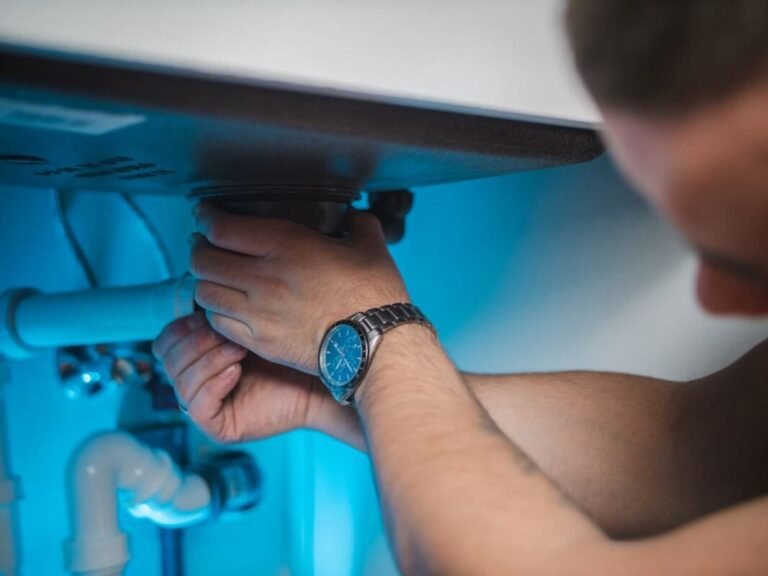
Plumbing professionals can select equipment based on the pipe material and likely cause. A camera inspection may reveal heavy scale, a misaligned joint, or a partially collapsed section. Mechanical cleaning can then target the obstruction without relying on corrosive liquids. If wastewater is backing up, stop using connected sinks, showers, and appliances until you check the line. Continued water use can turn a contained clog into flooring damage and unsanitary cleanup.
Gentle Habits for Long-Term Flow
Daily habits do more for drain flow than occasional aggressive treatments. Keep cooking grease, coffee grounds, and food scraps out of the kitchen sink. Wipe oily pans with a paper towel before washing them, then empty sink strainers into the trash.
In bathrooms, use a removable screen to catch hair and clean it every few days. Run plenty of water while washing soap or toothpaste down the basin, and check pop-up stoppers monthly because residue collects around their moving parts. Avoid flushable wipes since they don’t break apart as quickly as toilet paper.
Pay attention to changes, too. A drain that takes noticeably longer each week is easier to address before it stops completely. When gentle cleaning doesn’t restore normal flow, leave the pipe closed and arrange an inspection instead of testing another harsh shortcut.
Related Posts




I love having dance parties in the kitchen with my family, traveling, and mason jar creations.
Follow on Pinterest