Key Takeaways
- The most useful tumbler fits your actual routine, carrying habits, and preferred drinks.
- Capacity, dimensions, lid style, and cup-holder fit matter as much as appearance.
- Materials and insulation affect weight, durability, temperature retention, and care needs.
- Straws are convenient for many cold drinks but need regular cleaning.
- A tumbler that is simple to wash and comfortable to carry is more likely to become part of your daily routine.
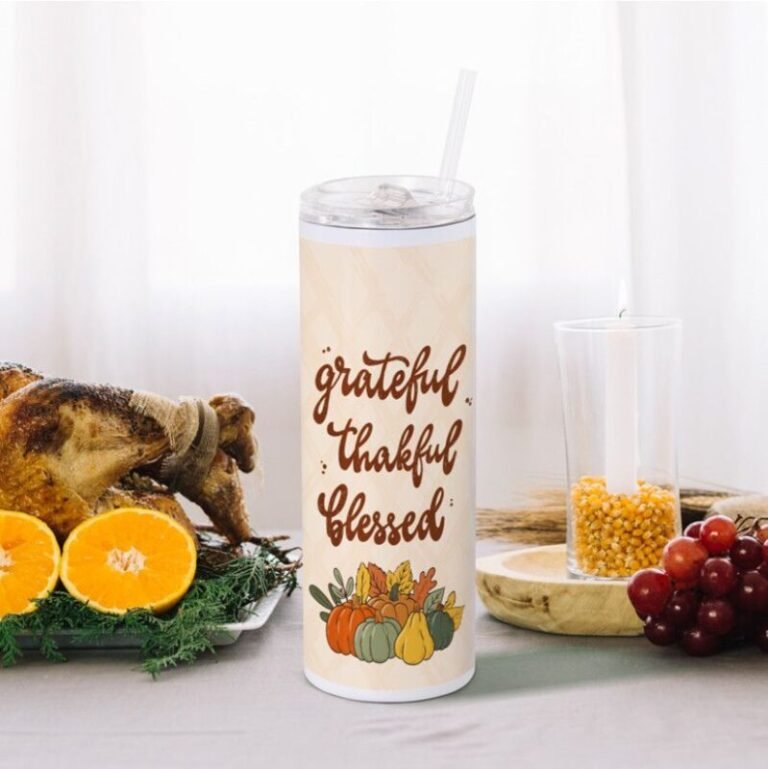
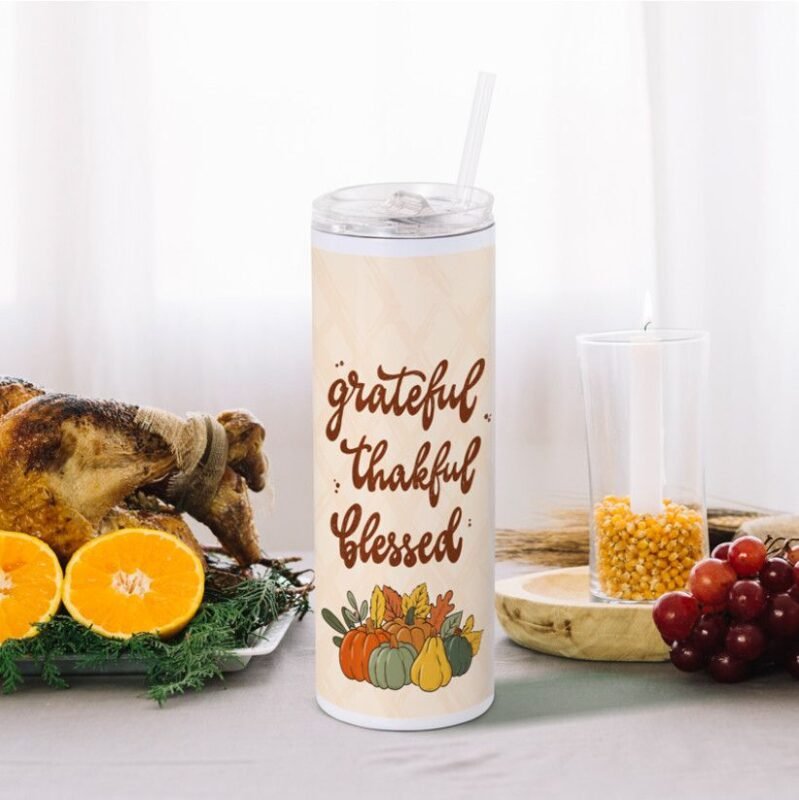
A reusable travel tumbler can make it easier to take water, coffee, tea, and cold drinks from home to work, class, errands, or weekend plans. For people who want a tall, easy-to-hold option for frequent sipping, a 20 oz tumbler offers a practical balance between capacity and portability.
The right choice is not necessarily the largest cup or the one with the boldest design. It is the one that suits where you go, what you drink, how often you refill, and how willing you are to clean small parts such as seals, straws, and lid openings.
1. Why Reusable Tumblers Work Well in Daily Life
A familiar drink container removes a small source of friction from busy days. You can fill it before leaving home, keep it on a desk nearby, or place it in a vehicle’s cup holder for a commute. Consistent use can also reduce dependence on disposable cups. For example, a commuter carrying a laptop bag may prefer a slim tumbler that takes up little space and can be held comfortably in one hand.
2. How to Choose the Right Size
Capacity should match both your thirst and your route. Smaller tumblers work well for a short coffee run, a compact bag, or a drink that will be finished quickly. Medium sizes often suit workdays, errands, and car travel. Larger models can reduce refill trips, but they also become noticeably heavier when full.
- Check the height if you plan to use a cabinet shelf, backpack pocket, or coffee machine.
- Check the base width against your vehicle cup holder.
- Consider how much weight feels comfortable when carrying the tumbler by hand.
- Choose enough capacity for your usual drink, not simply the maximum available size.
3. Comparing Tumbler Materials
Stainless steel is commonly chosen for its sturdy feel and insulated designs. Plastic is often lighter, which can be useful when weight is the priority. Glass can appeal to people who prefer a smooth interior surface, although it generally needs more careful handling. Many products combine materials, such as a metal body with a plastic lid, silicone seal, or rubber base. Always review the care guidance for the exact model, since similar-looking tumblers may have different dishwasher or temperature instructions.
4. Why Lid Design Matters
The lid often determines whether a tumbler works well for commuting or stays at home. Slide lids can be quick for casual sipping. Flip and screw-on lids may provide more coverage. Straw lids support frequent cold-drink sipping, while a standard sipping opening may be better suited to hot beverages. “Spill-resistant” does not always mean safe to toss sideways into a bag, so check the manufacturer’s description before relying on a lid for leak protection.
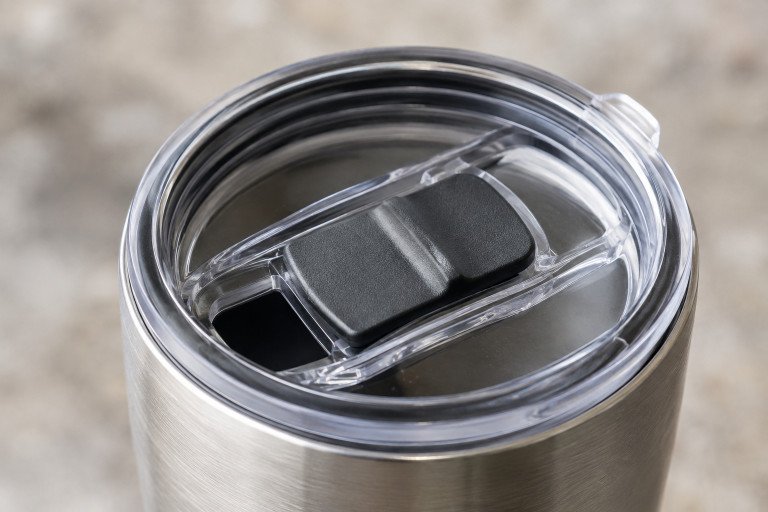
- Does the lid close firmly and open without struggle?
- Can you reach the drinking opening and seal during cleaning?
- Does the design suit your usual beverages?
- Will it remain secure during your normal commute?
- Can worn seals or other parts be identified and replaced?
5. When a Straw Makes Sense
Straws can be convenient for iced coffee, water, and other cold drinks because you can sip without tipping the tumbler. They are especially useful at a desk or in a cup holder. However, liquid can remain inside the straw after use, so it should be washed carefully with a narrow brush. Follow the product instructions before using a straw with hot drinks, as not every straw lid is designed for hot drinks.
6. What to Look for in Insulation
Double-wall construction creates a gap between the inner and outer surfaces, which can help slow temperature change. Real-world performance depends on the drink’s starting temperature, room conditions, lid design, and how often the tumbler is opened. When comparing options, practical testing of temperature control, leak resistance, and cleaning can be more useful than relying on a single broad promise.
7. Simple Cleaning and Care Steps
- Empty the tumbler soon after finishing your drink.
- Separate the lid, straw, seal, and other removable pieces.
- Rinse away residue before it dries.
- Wash all parts with warm water and mild dish soap.
- Use a narrow brush for straws and tight openings.
- Let every part dry completely before reassembly.
- Check the care instructions before using a dishwasher.
Moisture left beneath a seal or inside a straw can lead to unpleasant odors and buildup. A quick inspection of threads, seals, and drinking openings helps keep a frequently used tumbler fresh.
8. Common Buying Mistakes to Avoid
- Choosing based on color alone and overlooking dimensions.
- Assuming every lid is leakproof.
- Buying a capacity that feels too heavy when filled.
- Ignoring cleaning requirements for complicated lids.
- Using a straw lid with drinks it was not designed to handle.
- Not checking whether replacement seals, lids, or straws are available.
Common Questions
What size tumbler is best for everyday use?
A medium capacity suits many routines, but the best choice depends on refill access, preferred drinks, bag space, and comfort when carrying it. Compare physical dimensions and ounces.
Are straw tumblers good for hot drinks?
Only when the manufacturer says the lid and straw are suitable for hot beverages. A standard sipping lid may be the better option for many hot drinks.
How often should a reusable tumbler be cleaned?
Wash it after each day of use, with extra attention to straws, seals, and narrow lid channels.
Can every tumbler go in the dishwasher?
No. Dishwasher suitability can vary depending on the body material, finish, lid, seal, and decoration. Check the specific product care instructions first.
Final Thoughts
The best travel tumbler is one that fits seamlessly into your everyday life. From choosing the right capacity and a dependable lid to considering insulation, portability, and ease of cleaning, small details can make a lasting difference in how often you use it. Rather than choosing on appearance alone, focus on the features that support your routine and keep your favorite drinks close at hand. A well-chosen tumbler does more than carry your drink; it makes staying refreshed a simpler, more convenient part of every day.
Related Posts




I love having dance parties in the kitchen with my family, traveling, and mason jar creations.
Follow on Pinterest