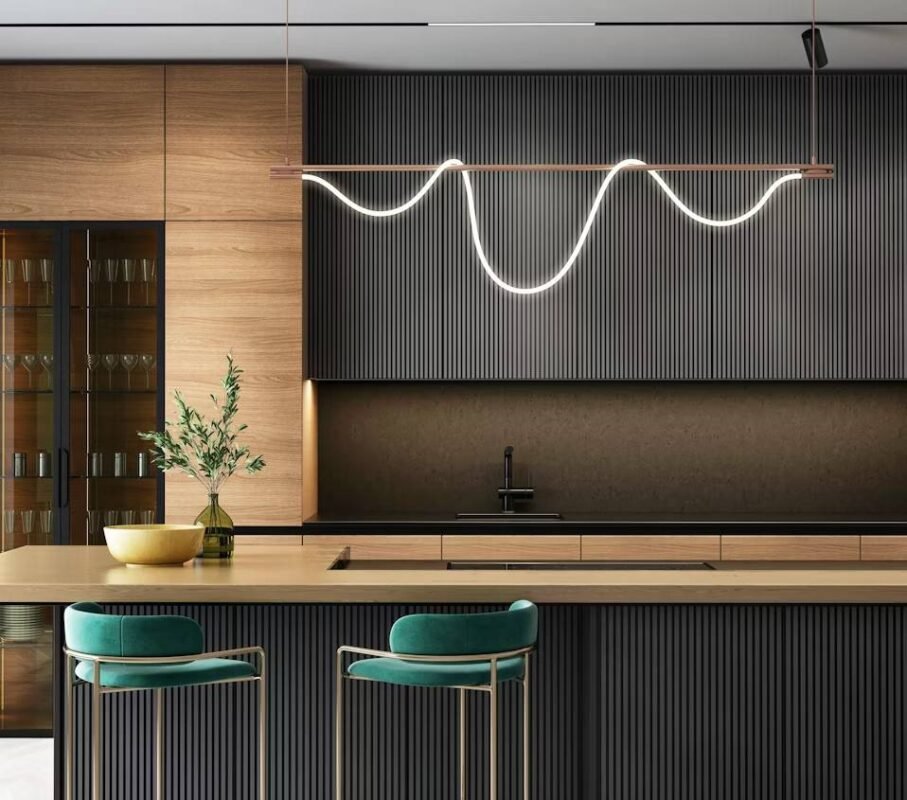
Engineered wood flooring offers the warmth of real timber with a layered construction that suits the demands of a working kitchen. It can create a comfortable transition between cooking, dining and living areas while standing up to regular foot traffic. Homeowners comparing kitchen flooring options should still consider finish quality, installation and maintenance before deciding which product fits their space.
The Daily Demands of High-Traffic Kitchens
Kitchen floors deal with more than footsteps. Chair legs scrape across the surface, crumbs collect near cabinets and dropped utensils can leave dents. Add pets, children and grocery bags to the mix, and a poorly chosen floor may show wear within a few years.
Engineered boards have a real-wood top layer supported by several stable layers underneath. This construction reduces the movement associated with changes in temperature and humidity. A durable factory-applied finish also helps protect the wood from stains and light scratches.
Look for a product rated for heavy domestic use, then check the wear-layer thickness. A thicker wear layer may allow professional refinishing later, which can extend the useful life of the floor.
How Engineered Wood Handles Moisture
No wood floor is waterproof, but engineered wood generally copes with normal household humidity better than solid boards. Its layered core limits expansion and contraction, making gaps or raised edges less likely when indoor conditions change.
Good moisture control still matters. Keep indoor humidity levels within the flooring manufacturer’s recommended range and use an extractor fan while boiling or simmering food. Wipe up splashes promptly, especially around the sink, refrigerator and dishwasher.
Installation provides another layer of protection. The subfloor should be dry, level and properly prepared before work begins. In kitchens with concrete subfloors, the installer may recommend a moisture barrier. Any slow plumbing leak should be repaired before new boards are laid.
Source Resilient Flooring from Trade Specialists
Product descriptions can look similar online even when construction and finish quality differ. Before ordering, confirm the board thickness, wear layer, finish type and installation method. Check that the flooring suits kitchens and works with any underfloor heating system already in place.
Trade specialists can explain these details and help calculate quantities. Home renovators and contractors can visit JJ Building Materials when comparing engineered wood flooring and other materials for a project. Ask for samples so you can view the color beside cabinets and countertops at different times of day.
Order enough flooring to cover the measured area plus a sensible allowance for cuts and damaged boards. Around 10 percent extra often works for a straightforward room, though irregular layouts may require more.
Simple Care Habits for Busy Cooks
Daily care should be quick and gentle. Sweep with a soft broom or use a vacuum head designed for hard floors, paying close attention to grit near outside doors. Fine debris can act like sandpaper under shoes and chair legs.
Clean spills with a soft absorbent cloth, then dry the area. For routine washing, use a well-wrung microfiber mop and a cleaner approved for the floor’s finish. Steam cleaners and soaking-wet mops can push moisture into board joints, so leave them out of the routine.
Place washable mats near the sink and entrances, but avoid rubber-backed designs that may trap moisture or mark the finish. Felt pads beneath stools and dining chairs offer inexpensive protection. These small habits help the floor keep its natural texture through breakfasts, meal preparation and busy family dinners.
Related Posts




I love having dance parties in the kitchen with my family, traveling, and mason jar creations.
Follow on Pinterest