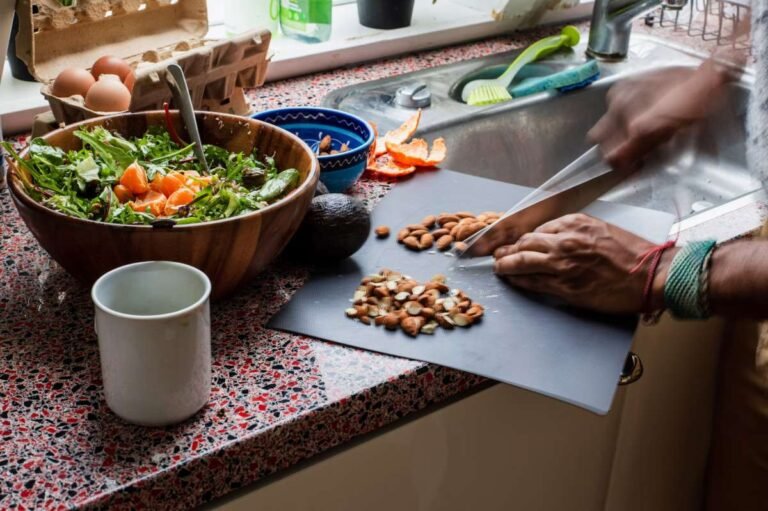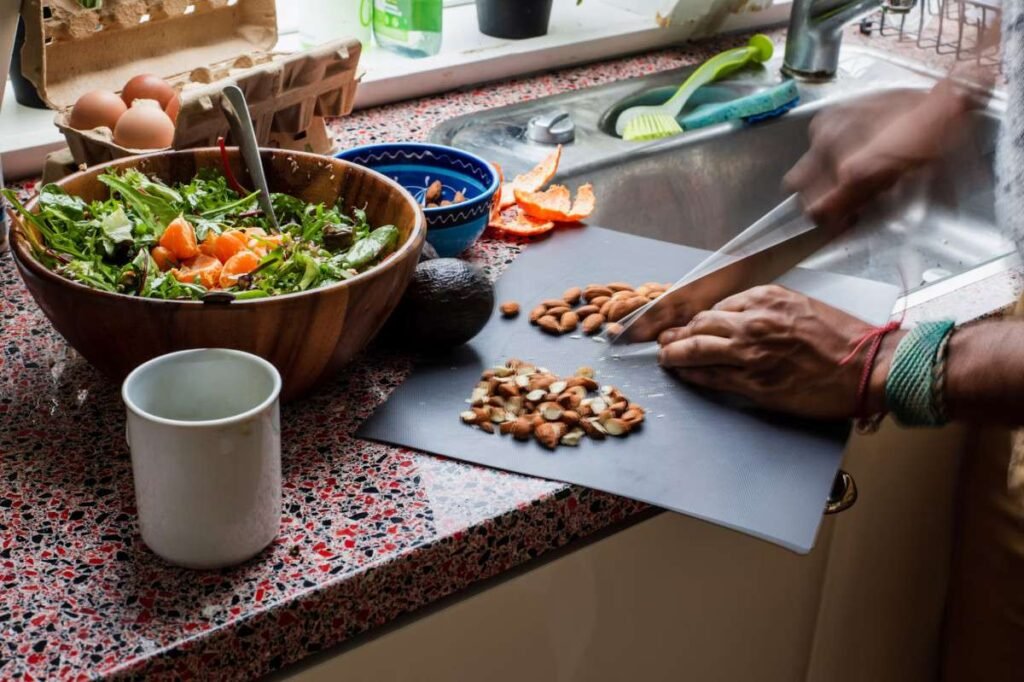
Weekly meal prep can save hours during busy weekdays, but the extra chopping, rinsing, and dishwashing can strain your kitchen drain. Food scraps, cooking oils, and starchy residue often build up in pipes when you prepare several meals at once. A few practical habits can keep water moving freely and help you avoid an inconvenient backup after a productive afternoon in the kitchen.
Batch Cooking Puts Sinks to the Test
A normal dinner may produce one cutting board and a few dishes. Batch cooking can send residue from multiple pans, storage containers, and utensils toward the drain within a couple of hours. Small particles build up quickly, especially when grease coats the inside of the pipe and catches other debris.
Use a sink strainer throughout your prep session and empty it into the trash or compost bin as it fills. These basic food buildup prevention tips can reduce the amount of rice, vegetable peelings, and crumbs entering your plumbing. Scrape cookware before rinsing, even when a pan looks nearly clean.
Scraps That Never Belong in Disposals
A disposal may handle small traces left after scraping a plate, but it shouldn’t serve as a food waste bin. Fibrous celery, corn husks, and onion skins can wrap around moving components. Pasta, rice and oats absorb water and expand, while eggshell membranes and coffee grounds may contribute to dense buildup.
Consumer Reports offers specific guidance on disposal-friendly foods and troublesome scraps. When a disposal hums, drains slowly, or repeatedly stops despite careful use, turn it off instead of reaching inside. Phoenix-area homeowners who suspect a drain or disposal problem can contact Yeti Pros plumbing for licensed residential plumbing service.
Routine Care to Prevent Stubborn Clogs
Give the sink a quick cleanup after every meal-prep session. Remove the strainer, discard captured scraps, and wash away light residue with warm water and a small amount of dish soap. Wipe greasy pans with a paper towel before washing to reduce fat that reaches the pipe.
Collect cooled cooking oil in a sealed container and dispose of it according to local guidelines. Avoid pouring grease down the drain, even with hot water, because melted fat can cool and harden farther down the line. Skip harsh chemical drain cleaners as routine maintenance. They can create splash hazards and may not remove the material, causing recurring blockages.
Signs You Need Professional Drain Care
A single slow drain may improve after you clean the stopper or remove visible debris. Repeated gurgling, foul odors, and water backing up into the sink point to a problem deeper in the line. You may also notice that running the disposal causes water to rise in the other sink basin.
Stop using the affected fixture if water won’t drain or begins leaking under the cabinet. A plumber can inspect the line and identify compacted food waste, grease, or a damaged pipe without guesswork. For more household warning signs and prevention ideas, see this guide to costly drain and sewer issues. Prompt attention can keep a kitchen blockage from disrupting nearby fixtures.
Eco-Friendly Rinsing Habits for Home Cooks
Conserving water and protecting drains often go hand in hand. Scrape dishes thoroughly, then fill one side of a double sink or a wash basin with soapy water instead of running the faucet. If you use a dishwasher, load it fully and follow the manufacturer’s guidance on removing food residue.
Keep a small bowl beside the cutting board for peels, stems, and trimmings. This makes composting or disposal easy while reducing repeated trips to the sink. At the end of prep, wipe counters and cookware with a reusable cloth before rinsing them.
Your final cleanup should leave the strainer empty, the faucet off, and no oily liquid waiting to enter the drain. That simple finish protects the pipes until next week’s cooking session.
Related Posts




I love having dance parties in the kitchen with my family, traveling, and mason jar creations.
Follow on Pinterest