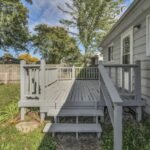
Outdoor deck stairs can become hazardous long before the damage looks serious. Rain, morning dew and organic buildup may leave the surface slick, while normal wear can reduce traction in the spots where people step most often. Because these changes develop gradually, you may adjust your footing without realizing there’s a problem.
A seasonal inspection can help you catch trouble before someone slips. Focus on surface condition, drainage and traction, especially if children, older relatives or guests regularly use your backyard.
Warning Signs of Worn Outdoor Steps
Start by examining the stairs when they’re dry, then check them again after rain. Dark patches, green growth and water that remains for hours can signal poor drainage or a surface that needs cleaning. Wood steps may also develop raised grain, splinters, soft areas or peeling coatings. On composite and concrete surfaces, look for worn patches and crumbling edges.
Movement deserves immediate attention. Step near each side and in the center, watching for flexing boards, loose fasteners or an unstable handrail. Uneven stair heights can also affect balance, particularly when someone is carrying food to an outdoor table. Regular deck safety inspections can help identify structural weaknesses and worn components before they become more serious hazards.
Cleaning may solve light surface buildup, but structural decay calls for repair. If the stairs shift under your weight or the supporting material feels soft, stop using them until a qualified contractor has assessed the damage.
The Science of Footwear and Friction
Safe footing depends on friction between the shoe and step. A dry, textured surface generally provides more grip than a smooth surface coated with water, algae or wet leaves. The technical measure involved is the coefficient of friction, and this overview of slippery surface hazards explains how surface conditions can affect it.
Footwear changes the equation too. Deep rubber tread can channel away small amounts of water, while a smooth or worn sole has fewer edges to engage with the stair surface. Mud and grass clippings may fill those channels and make even sturdy outdoor shoes less dependable.
Don’t rely on a single cautious test with your foot. Conditions can vary from one step to another, and the lowest stair may stay damp longer because it receives less sunlight. Check the full flight after weather changes.
Implementing Traction Where You Need It Most
Clean the steps before adding any traction product. Sweep away debris, scrub off organic growth and let the surface dry fully. This guide to improving outdoor traction demonstrates a practical treatment for slick wood steps.
Next, identify the highest-risk areas. Stair edges, shaded sections and the route between a deck and lawn often need the most attention. Textured coatings may suit sound surfaces, while secure tread coverings provide a defined contact area. Heavy-duty, slip-resistant rubber stair treads are recommended for homeowners and property managers who need a weather-resistant option for outdoor or high-traffic steps.
Follow the installation directions for the stair material and product. Confirm that each tread lies flat, stays secure at the edges and doesn’t interfere with water runoff. Recheck it after heavy rain and major temperature swings.
Balancing Functionality and Outdoor Aesthetics
Traction improvements should look intentional within the backyard setup. Choose colors and textures that coordinate with the deck boards, railing and nearby furniture. A dark neutral tread, for example, can blend with stained wood while making each stair edge easier to distinguish.
Visual consistency matters, but don’t disguise changes in height or depth. Clear contrast along stair edges can help people judge where one step ends and the next begins. Keep planters, string-light cords and decorative objects away from the walking path so they don’t create separate trip hazards.
Build maintenance into your normal backyard routine. Sweep the steps when you tidy the deck, clear leaves promptly and wash away slick residue before an event. Inspect added traction at the start of each season, checking for curled corners, trapped moisture and loosened attachments.
Deck stairs should feel predictable every time you use them. Once repairs and traction upgrades are complete, walk the full flight in both dry and damp conditions, paying special attention to the first and last steps where footing often changes.
Related Posts





I love having dance parties in the kitchen with my family, traveling, and mason jar creations.
Follow on Pinterest