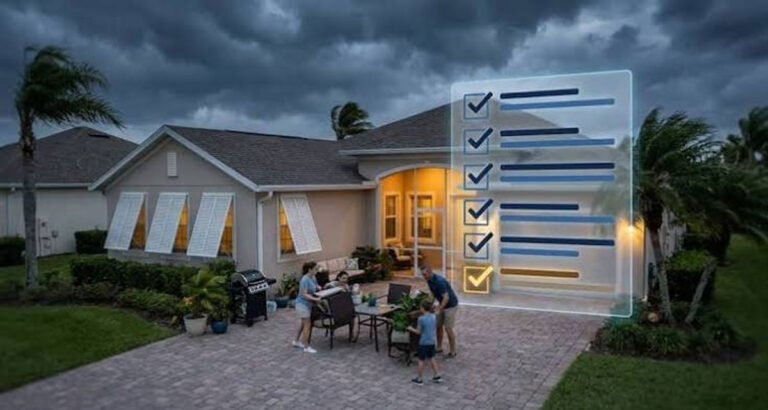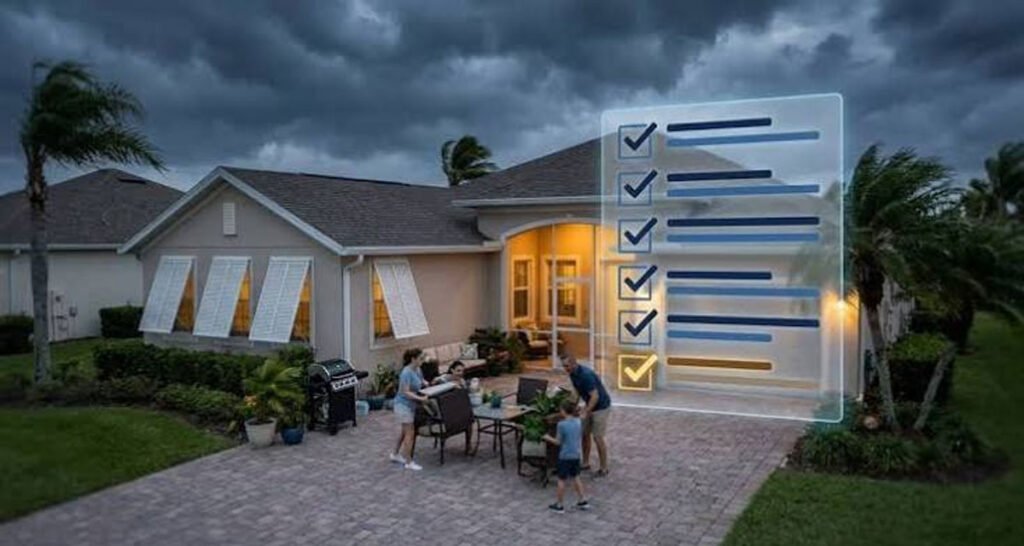
A Checklist for Making Florida Homes More Storm-Ready
Table of Contents
- Why Early Preparation Matters
- Start With a Full Home Inspection
- Check Windows, Doors, and Garage Openings
- Reduce Water and Drainage Risks
- Secure Outdoor Items and Landscaping
- Build a Practical Storm Supply Kit
- Create a Family Safety Plan
- Avoid Common Preparation Mistakes
- What to Check After a Storm
Florida homeowners know that storm preparation is not a one-day task. From coastal neighborhoods facing wind-driven rain to inland communities dealing with saturated yards and fallen limbs, a calmer hurricane season starts with practical work completed well before a forecast turns serious. If you are comparing options for impact window installation near me, include that decision in a broader home-readiness plan that also addresses doors, drainage, outdoor spaces, supplies, and household communication.
The Atlantic hurricane season officially runs from June 1 through November 30. Preparing early gives you time to spot minor maintenance issues, organize the household, and avoid last-minute shortages when a storm approaches Florida.
Why Early Preparation Matters
Waiting for a hurricane watch or warning can turn a manageable checklist into a stressful race. Stores may be crowded, contractors may be booked, and it may be unsafe to complete exterior work once winds and rain begin. The National Oceanic and Atmospheric Administration recommends that homeowners strengthen their homes before a hurricane threatens by addressing openings, loose items, trees, and other vulnerabilities.
Early work can also protect everyday comfort. A loose gutter, a failed window seal, a clogged patio drain, or a damaged fence may seem small on a clear day, but heavy rain and gusty conditions can make the problem worse. Focus on both personal safety and the parts of the property most exposed to wind and water.
Start With a Full Home Inspection
Start with a slow walk around the house, preferably in daylight. Take notes and photographs as you go. Photos provide a useful record of the home’s condition and make it easier to compare changes after a storm.
- Look for loose trim, siding, railings, screens, and exterior fixtures.
- Check sealant around windows and exterior doors for gaps or cracking.
- Examine roof edges, flashing, vents, and gutters from the ground.
- Test gates, fences, sheds, patio covers, and balcony components.
- Notice low spots where water remains near the foundation after rainfall.
- Record repairs that require a qualified contractor or arborist.
Check Windows, Doors, and Garage Openings
Windows, sliding glass doors, entry doors, and garage doors deserve special attention because they are large exterior openings. Test locks and latches, inspect frames for visible damage, and replace worn weatherstripping where it no longer creates a reliable seal. If your home has shutters or protective panels, label them clearly and confirm that the necessary hardware is easy to locate.
Photorealistic Florida homeowner inspecting impact windows and a secure exterior door during golden hour, holding a simple storm-preparation checklist, warm directional sunlight, soft shadows, subtle tropical landscaping, calm and prepared atmosphere, natural residential setting.
Important Opening Checks
- Look for cracked glass, loose frames, failed seals, or gaps around openings.
- Make sure exterior doors close and latch securely.
- Inspect garage door tracks, rollers, braces, and fasteners.
- Keep at least one safe exit accessible when protective coverings are installed.
- Do not treat tape as a replacement for properly fitted storm protection.
For replacement projects or upgrades, follow applicable local requirements and use qualified professionals when the work affects structural connections, glazing, or garage door reinforcement.
Reduce Water and Drainage Risks
Florida storm readiness is not only about wind. Intense rainfall can reveal weaknesses around roofs, doors, windows, foundations, patios, and drainage systems. Clear gutters of leaves and debris, then make sure downspouts direct water away from the home rather than toward walls or the foundation.
- Remove debris from gutters, roof valleys, and accessible drains.
- Check patio drains and low areas after a typical heavy rain.
- Look indoors for water stains on ceilings, walls, cabinets, and floors.
- Repair small leaks and deteriorated seals before storm activity increases.
- Keep drainage paths clear, but never enter standing water to clear a blockage.
Secure Outdoor Items and Landscaping
Anything left outside can become a hazard in strong winds. Create a written “bring inside” list for patio chairs, tables, umbrellas, grills, bins, planters, toys, garden tools, lightweight storage containers, and loose pool equipment. If an item is too large to bring in, determine in advance how it will be secured.
Walk the yard with an eye for dead limbs, weak branches, leaning trees, and damaged fence sections. Keep tree maintenance within your ability level, and use qualified help for large limbs, elevated work, or vegetation near power lines.
Build a Practical Storm Supply Kit
Store essential supplies in a dry, easy-to-reach place. Include drinking water, shelf-stable food, prescription medicine, first-aid items, flashlights, batteries, phone chargers, hygiene supplies, cash, copies of key documents, and pet food or medication. A battery-powered weather radio and a cooler can also be useful if normal power or communications are interrupted.
Create a Family Safety Plan
A storm plan should answer simple questions before they become urgent. Florida’s emergency management guidance encourages residents to know their evacuation zone, make a household plan, and keep emergency supplies ready. Discuss where household members will meet if separated, how alerts will be received, and which interior room provides the best protection from windows and exterior doors.
- Confirm transportation and evacuation plans if officials issue an order.
- Plan for pets, children, older adults, and anyone with medical or mobility needs.
- Write down important phone numbers and out-of-area contacts.
- Review the plan with everyone in the household before storm season.
Avoid Common Preparation Mistakes
Common mistakes include waiting until supplies are scarce, inspecting only the front of the home, overlooking the garage door, leaving outdoor furniture in place, and covering every potential exit. Another mistake is starting cleanup before officials say it is safe. A checklist works best when it is reviewed each spring and updated after repairs, renovations, or changes in the household.
What to Check After a Storm
Safety comes first after severe weather. Avoid downed power lines, floodwater, unstable trees, damaged roofs, and any area where you suspect a gas leak. If you evacuated, return only when local officials say it is safe to do so.
- Photograph visible damage before moving items when practical.
- Check for broken glass, water entry, loose doors, and roof debris.
- Inspect ceilings, walls, floors, gutters, screens, fences, and fixtures.
- Do not operate damaged electrical equipment until it has been evaluated.
- Contact utility providers, emergency services, or your insurer as needed.
Storm readiness becomes far more manageable when it is a routine rather than a reaction. A seasonal inspection, timely repairs, organized supplies, and a clear family plan can help Florida households face hurricane season with greater confidence.
Related Posts





I love having dance parties in the kitchen with my family, traveling, and mason jar creations.
Follow on Pinterest