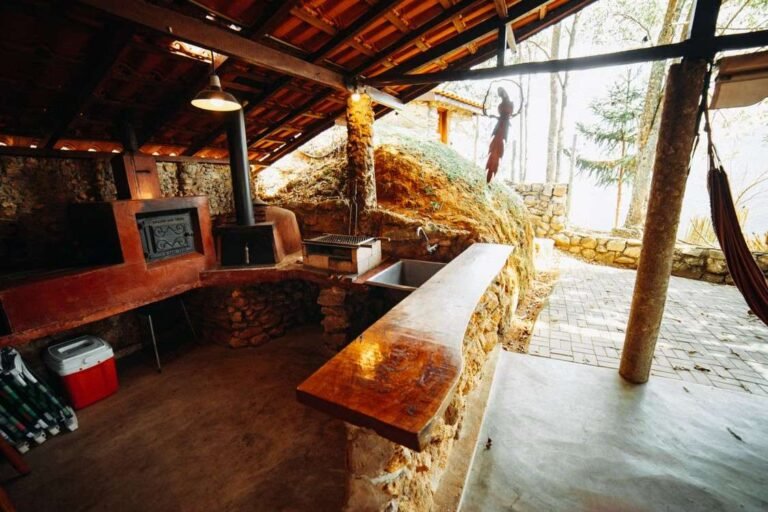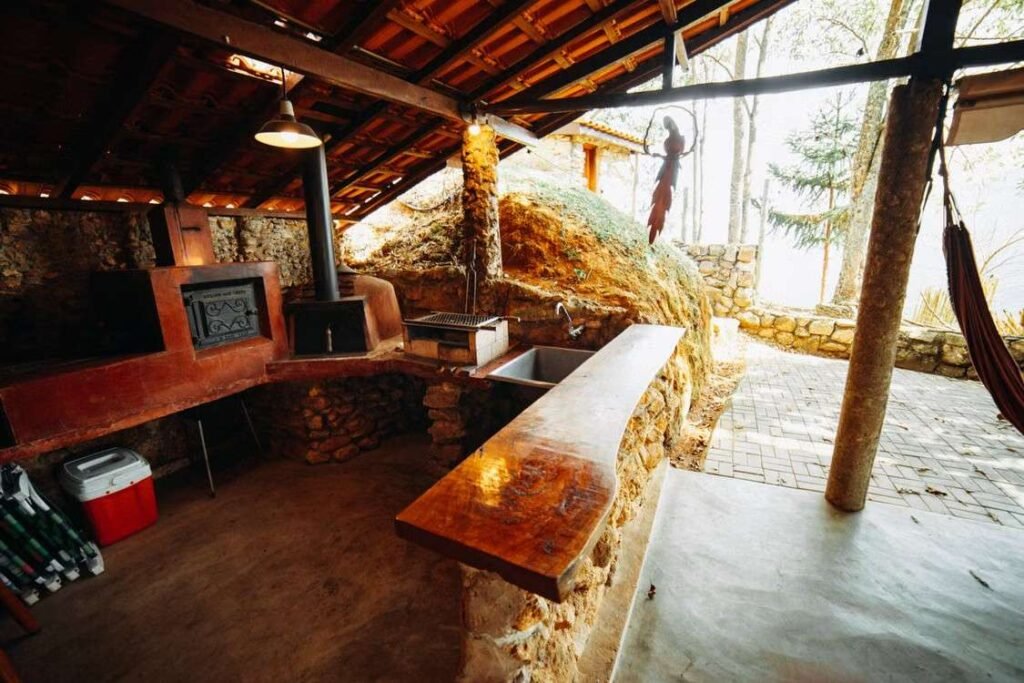
An off-grid outdoor kitchen can be practical, inviting and affordable when every feature earns its place. A sturdy work surface, reliable food storage, and a modest source of electricity cover most cooking needs without a full renovation. Start with materials you already own, then spend selectively on weather-resistant pieces that improve safety or convenience. The result can fit on a patio, beside a cabin, or at a favorite campsite while keeping meal preparation simple.
Design a Weatherproof Prep Counter
Build the counter around a basic frame made from pressure-treated lumber, concrete blocks, or a reclaimed metal table. Aim for a working height of about 36 inches and leave enough surface area for a cutting board and mixing bowl. A sealed wood top works well under cover, while tile or stainless steel handles direct exposure better.
Browse these outdoor kitchen ideas to see how compact counters can include shelves and storage. This budget kitchen project also offers practical construction inspiration. Add locking casters if you want to roll the station indoors during rough weather.
Keep Ingredients Fresh Outdoors
Use two coolers instead of cramming everything into one. Reserve one for frequently opened drinks and keep meat, dairy, and prepared foods in the other. Block ice generally lasts longer than small cubes, and frozen water bottles provide cooling without leaving loose water around packaged ingredients.
Place both coolers in full shade and raise them off hot pavement with a wooden pallet or folding stand. Keep dry goods in lidded jars or food-safe containers to protect flour, oats, and spices from moisture. A small insulated tote is handy for ingredients needed within the next hour, since it limits how often you open the main cooler.
Integrate a Clean Solar Power Supply
Before choosing equipment, estimate how much electricity your outdoor kitchen will use each day. A solar power supply combines components such as solar panels, an inverter, a charge controller, and battery storage to generate and manage electricity. Understanding how these parts work together can help you choose a setup suited to smaller needs, such as lighting, charging phones, or running a portable fan.
Remember that solar panels can still generate electricity in cloudy weather, although their output may decrease. This guide explains how solar panels perform on cloudy days and why weather conditions matter when planning an off-grid setup.
For a simple kitchen, connect a portable solar panel to a compatible battery unit and position the panel in unobstructed sunlight. Keep cables away from walkways and protect all connections from rain. Check the battery level before sunset so you know how much power remains for lighting and charging.
Add Warm Ambience with Mason Jar Lights
Mason jars make inexpensive covers for small solar lights or battery-operated LED strands. Place a short light string inside each clean, dry jar, then set the jars along the counter or hang them from secure hooks using purpose-made wire handles. Use LED products marked for outdoor conditions if the jars will remain outside overnight.
Avoid sealing a solar light’s charging panel inside an opaque lid. The panel needs several hours of direct daylight to recharge. Clear jars create a brighter glow, while frosted glass or a thin layer of translucent paint softens the light. Arrange jars near work areas and steps first, then use any extras as table decorations.
Simple Recipes for Open-Air Cooking
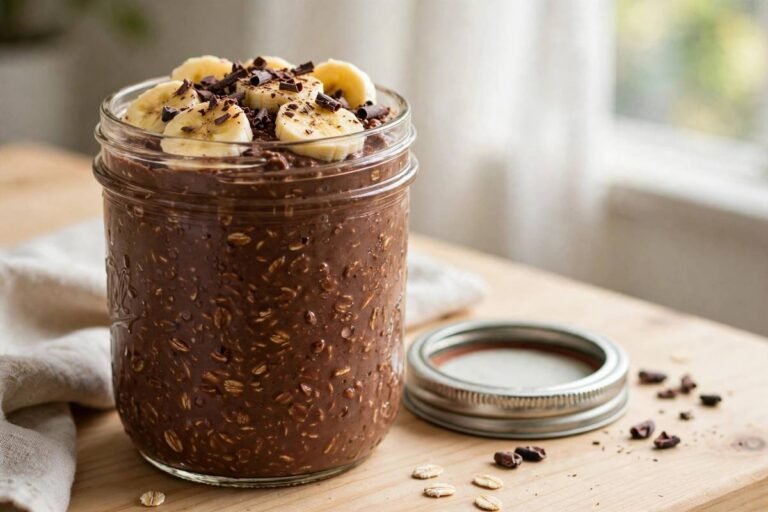
Choose recipes with short ingredient lists and minimal cleanup. Mason jar oatmeal works well for breakfast: combine rolled oats, milk or a shelf-stable alternative, and cinnamon, then chill it overnight in the cooler. Add sliced fruit just before serving.
For lunch, fill tortillas with canned beans, shredded cheese, and pre-chopped vegetables, then warm them on a covered griddle. Dinner can be foil-packet potatoes and vegetables served with bread and a jar of homemade dressing. Keep one cutting board for produce and a separate one for raw ingredients that require cooking.
Finish the setup with a small wash basin, biodegradable soap, and a covered trash container. Once the last plate is clean, those softly glowing jars will make even a simple counter feel like a welcoming outdoor dining spot.
Related Posts




I love having dance parties in the kitchen with my family, traveling, and mason jar creations.
Follow on Pinterest