
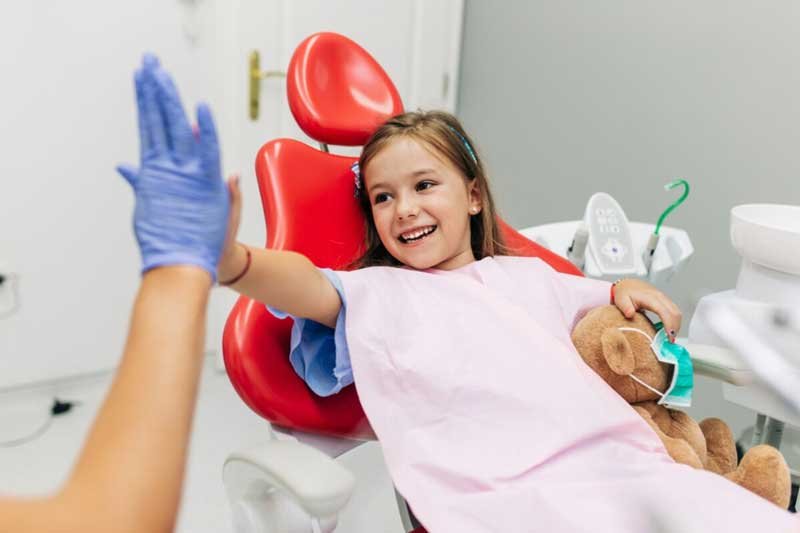
For many children, a trip to the dentist can feel unfamiliar and intimidating. New sounds, different smells, and the idea of someone working inside their mouth can easily trigger anxiety. For parents, that often means managing tears, resistance, or last-minute cancellations.
The good news is that a child’s experience at the dentist is shaped long before they sit in the chair. Small choices at home and in how you prepare can make a big difference in how they respond.
One of the first steps is choosing the right environment. A child-friendly clinic, such as one run by a paediatric dentist sydney or a similar specialist, is often designed to reduce fear and create a more relaxed experience from the start.
Start with early, low-pressure visits
Make the first visit simple
The first dental visit should not be about treatment. It is about helping your child become familiar with the environment.
A short, positive appointment where they can meet the dentist, see the tools, and sit in the chair without pressure can build confidence. When the experience feels easy, children are less likely to develop fear.
Build familiarity over time
Regular visits help normalise the experience. When children know what to expect, their anxiety tends to decrease.
Keeping appointments consistent, even when there are no issues, reinforces the idea that dental care is a normal part of life.
Talk about the dentist in a positive way
Avoid negative language
Children often pick up on the way adults talk about dental visits. Words like “pain,” “needle,” or “hurt” can create fear before the visit even begins.
Using simple, neutral language helps keep things calm. Describing the dentist as someone who helps keep teeth clean and strong makes the experience feel more positive.
Be honest but reassuring
It is important to be truthful, but also to keep explanations age-appropriate. If a procedure might feel uncomfortable, explain it in a way that does not sound alarming.
A calm and reassuring tone helps your child feel more secure.
Create a sense of routine
Make it part of everyday care
When dental visits are treated like a normal activity, they feel less intimidating. Linking them to regular habits, such as brushing and flossing, reinforces their importance.
Children are more likely to accept something when it feels familiar and expected.
Schedule at the right time
Timing can influence how your child behaves. Choosing a time when they are well-rested and not hungry can make a noticeable difference.
Avoiding times when they are tired or irritable helps create a smoother experience.
Use simple preparation techniques
Practice at home
Role-playing can help children understand what will happen. Pretending to be the dentist and counting their teeth or using a toothbrush to simulate a check-up can make the real visit feel less unknown.
Familiar actions reduce anxiety.
Read or watch positive examples
Books or videos that show children having positive dental visits can help shape expectations. Seeing other children handle the experience calmly makes it feel more achievable.
Exposure to positive examples builds confidence.
Stay calm and supportive
Your reaction matters
Children often look to their parents for cues on how to react. If you appear nervous or concerned, they may mirror that behaviour.
Staying calm, even if you are unsure, helps create a more relaxed atmosphere.
Offer encouragement, not pressure
Praising your child for small steps, such as sitting in the chair or opening their mouth, can build confidence. Avoid forcing cooperation, as this can increase resistance.
Positive reinforcement encourages progress.
Work with the dental team
Choose professionals who understand children
Dentists who specialise in working with children are trained to handle different behaviours and anxieties. They use techniques that make the experience more comfortable and engaging.
A supportive dental team can make a significant difference in how your child feels.
Communicate any concerns
Sharing information about your child’s temperament, fears, or previous experiences helps the dentist tailor their approach.
Clear communication ensures that everyone is working together to create a positive visit.
Keep the experience positive afterwards
Focus on what went well
After the visit, highlight the positive aspects. Talk about what your child did well rather than what was difficult.
This helps shape their memory of the experience in a more favourable way.
Avoid using dental visits as a threat
Using the dentist as a consequence for poor behaviour can create unnecessary fear. Keeping the experience separate from discipline helps maintain a positive association.
A calm, supportive approach after the visit reinforces confidence for the next time.
Helping your child feel comfortable at the dentist is a gradual process. Small, consistent efforts can turn something that feels stressful into a routine part of their life. With the right preparation and support, dental visits can become much easier for both you and your child.




Leave a Reply