
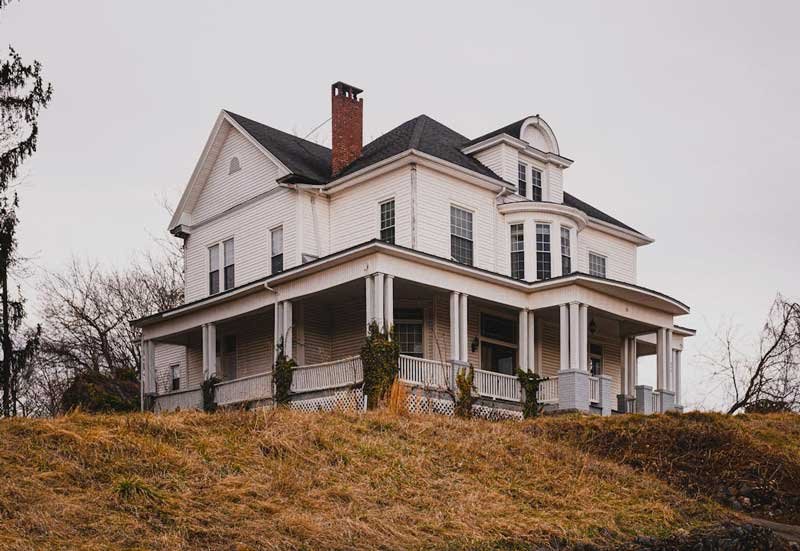
 Photo from Pexels
Building your dream home represents one of life’s most significant investments and exciting adventures. Unlike buying an existing property, constructing a new house gives you the chance to create a living space that’s perfectly tailored to your lifestyle, preferences, and future needs. That said, the process demands careful planning, smart decision-making, and consideration of countless factors that’ll impact both the construction phase and your long-term happiness with the final result. Getting a handle on these elements before you break ground will help ensure everything proceeds smoothly and results in a home that truly exceeds your expectations.
Establishing Your Budget and Financial Framework
Every successful home-building project starts with a comprehensive and realistic budget, there’s just no way around it. Many prospective homeowners underestimate the total costs involved, which leads to financial stress and unwanted compromises on important features later down the line. Your budget needs to account for land acquisition, architectural and engineering fees, construction costs, permits and inspections, utility connections, landscaping, and a healthy contingency fund of at least fifteen to twenty percent for those inevitable unexpected expenses. Working with financial advisors and securing pre-construction financing approval will give you real clarity on what you can actually afford and prevent those painful mid-project adjustments.
Selecting the Ideal Location and Property
The location you choose for your new home will profoundly shape your daily life, property value, and overall satisfaction for years to come. Beyond simply picking a desirable neighborhood, you’ll need to evaluate specific lot characteristics that directly affect construction feasibility and costs. Topography, soil conditions, drainage patterns, sun orientation, and existing vegetation all play crucial roles in determining foundation requirements, energy efficiency potential, and your future landscaping possibilities. Take time to research local zoning regulations, building codes, and any homeowners association restrictions that might limit your design options or impose specific architectural guidelines you’ll need to follow.
Designing a Home That Reflects Your Vision
The design phase transforms your ideas and requirements into detailed architectural plans that’ll guide the entire construction process. This stage demands thoughtful consideration of how you currently live and how your needs might evolve over time, it’s about thinking ahead. Think beyond aesthetic preferences to evaluate room sizes, traffic flow patterns, storage requirements, and the relationship between your indoor and outdoor spaces. Modern home design increasingly emphasizes open floor plans, natural light optimization, and flexible spaces that can adapt to changing family dynamics or those work, from-home requirements that have become so important. Energy efficiency should be woven into the design from the very beginning, considering passive solar orientation, strategic window placement, insulation strategies, and mechanical systems that’ll reduce your long-term operating costs. Universal design principles that accommodate aging in place or accessibility needs can be seamlessly incorporated during initial planning rather than through costly and disruptive retrofits later. Working with experienced professionals, such as a Denver architect who understands local building conditions, climate considerations, and current construction technologies, will help translate your vision into practical, buildable plans that respect your budget while maximizing livability and value.
Choosing Quality Materials and Construction Methods
The materials and construction techniques you select for your home will determine its durability, maintenance requirements, energy performance, and aesthetic appeal for decades to come. While budget constraints might tempt you toward less expensive options, investing in quality materials for critical systems and structural elements typically proves more economical over your home’s lifetime. Foundation materials must suit your specific soil conditions and climate, while framing choices affect structural integrity, insulation capabilities, and how quickly construction can progress. Exterior materials should strike the right balance between curb appeal and weather resistance, with maintenance demands that match your climate and lifestyle.
Navigating the Permitting and Regulatory Process
Successfully navigating the permitting and regulatory landscape is absolutely essential for keeping your project on schedule and avoiding costly delays or violations. Building codes exist to ensure structural safety, fire protection, energy efficiency, and occupant health, but they vary significantly by jurisdiction and are regularly updated, what works in one area might not fly in another. Your design must comply with setback requirements, height restrictions, lot coverage limitations, and architectural standards specific to your particular location. The permitting process typically requires detailed plans reviewed by multiple departments, including building, electrical, plumbing, and mechanical divisions, each with their own specific approval requirements and timelines that need to be coordinated.
Managing the Construction Timeline and Process
Effective project management during the construction phase requires constant communication, proactive problem-solving, and realistic expectations about timelines and the challenges that’ll inevitably arise. Weather conditions, material availability, subcontractor scheduling, and inspection requirements all affect the construction timeline, often causing delays that are completely beyond anyone’s control. Establishing a detailed construction schedule with clear milestones and contingency buffers helps manage expectations and identify potential issues before they become critical problems that derail everything. Regular site visits allow you to monitor progress, address questions or concerns with your builder in real, time, and make timely decisions about selections or changes that come up during construction.
Conclusion
Building the perfect house requires balancing your aesthetic vision with practical considerations, financial realities with long-term value, and personal preferences with potential resale appeal. Success depends on thorough planning, informed decision-making, and assembling a team of experienced professionals who share your commitment to quality and attention to detail. By carefully considering each element we’ve discussed, from budgeting and site selection to design, materials, regulations, and construction management, you’ll be well-prepared to navigate the complexities of the building process with confidence. Remember that flexibility, patience, and clear communication with your building team will help you overcome the inevitable challenges and ensure your project results in a home that provides comfort, functionality, and deep satisfaction for years to come.



Leave a Reply