Heavy rain can turn a tidy garden bed into a muddy channel in a matter of minutes. Fast-moving runoff carries away topsoil, exposes roots and leaves mulch scattered across paths and lawns. Protecting your beds starts with observing where water enters the yard, how it travels and where it collects. From there, you can slow the flow, redirect larger volumes and use plants to hold vulnerable soil in place. These practical fixes work for vegetable plots, flower borders and raised beds and many can be completed over a weekend.
Soil Erosion Risks During Rainstorms
Garden soil absorbs gentle rain fairly well, but a heavy downpour may deliver water faster than the ground can take it in. Compacted soil, bare slopes and recently cultivated beds are especially vulnerable. Water begins moving across the surface, picking up loose particles and carving small channels. If those channels remain untreated, the next storm can make them wider and deeper.
Check your yard during a moderate rain if you can do so safely. Watch for water pouring from downspouts, crossing paved areas or gathering along the uphill edge of a bed. After the storm, look for exposed roots, soil splashed onto leaves and fan-shaped deposits of sediment. These clues reveal the runoff route even when the ground has started to dry.
Cover bare soil as soon as possible. Apply 2 to 3 inches of shredded bark, leaf mold or finished compost around established plants, keeping the material away from stems and trunks. Shredded mulch tends to knit together and stay in place better than large, lightweight chips. The practical erosion control tips from Sunset also recommend preparing vulnerable garden areas before the rainy season begins.
Avoid walking on saturated beds. Foot traffic squeezes air from wet soil and creates compacted patches that shed more water during the next storm. Wait until a handful of soil crumbles instead of forming a sticky ball before working in the area.
Divert Excess Flow Before It Strikes
Stop concentrated runoff before it reaches fragile plants. Begin with roof water, since a single downspout can release a large amount of water onto a small patch of ground. Extend the outlet toward a stable lawn area, rain garden or other approved discharge point where water can spread out and soak in. Keep runoff away from foundations and neighboring properties.
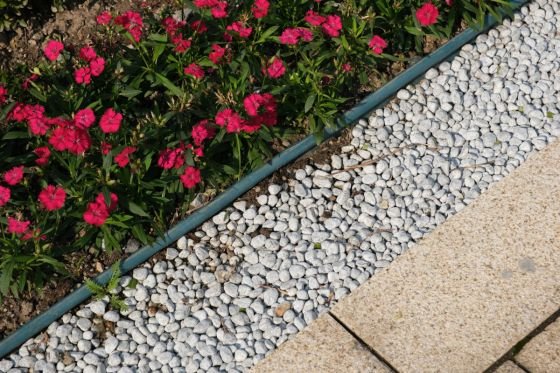
A shallow gravel strip may handle modest flow beside a path or patio. For recurring runoff across a paved surface, a linear drainage system moves water toward a suitable outlet before it spills into nearby beds. These systems need the correct slope, outlet and load rating, so larger installations may call for advice from a drainage contractor.
Never send concentrated water straight onto loose soil. Place flat stones, a splash block or a bed of coarse gravel at an outlet to absorb the force. The receiving area should be wide enough to spread the water without forming a new gully farther downhill.
The Maryland Department of Agriculture’s guidance on erosion and rainwater runoff suggests keeping rainfall on the property where practical and allowing it to soak into planted areas. Before digging, confirm the locations of buried utilities and check local drainage rules. You should also make sure an outlet remains clear of leaves, roots and sediment. A blocked drain can send water back toward the exact garden bed you meant to protect.
Build Berms and Swales Carefully
Berms and swales manage water by changing the shape of the ground. A berm is a low mound that blocks or redirects shallow surface flow. A swale is a broad, gently sloped depression that slows water and gives it room to soak into the soil. Used together, they can protect a downhill garden without creating an obvious ditch.
Mark the runoff route after a storm, then place the swale roughly across the slope so it catches water moving downhill. Keep its sides gradual enough to mow or plant safely. A backyard swale is often only a few inches deep, though its size must reflect the drainage area and soil type. Heavy clay absorbs water more slowly than sandy soil, so a swale in clay may need a wider base and a dependable overflow route.
Use excavated soil to form a compact, gently rounded berm on the downhill side. Don’t pile soil against tree trunks, siding or fence boards. Tamp the berm in thin layers, cover it with mulch and plant it promptly so rain cannot wash the fresh surface away.
Test the feature with a garden hose before the next storm. Water should spread along the swale instead of racing through one low spot. Adjust small dips with soil, then check the area again after natural rainfall. Advice on controlling heavy runoff also stresses understanding where excess water will go. Every swale needs a safe overflow point for storms that exceed its holding capacity.
Avoid building a berm that traps water against a structure or keeps plant roots submerged for days. If standing water remains longer than 24 to 48 hours, improve the outlet or consult a local drainage professional.
Plant Deep-Rooted Ground Covers
Roots form a living net that holds soil through repeated storms. Deep-rooted grasses, spreading perennials and low shrubs also soften the impact of raindrops before they hit the ground. Choose plants suited to your sunlight, soil moisture and local climate, since a struggling ground cover won’t provide dependable erosion control.
Plant in staggered rows across a slope instead of placing everything in straight downhill lines. Clusters interrupt runoff and prevent water from finding a direct route through the bed. On a mild sunny slope, ornamental grasses and flowering perennials can provide dense roots. Shadier areas may suit sedges, ferns or other regionally appropriate woodland ground covers. Your local cooperative extension office or native plant group can suggest species that behave well in home gardens.
Space young plants according to their mature width, then mulch the gaps while they fill in. Biodegradable erosion-control netting can help on bare slopes, but it must be pinned tightly and checked so it doesn’t lift or interfere with growing stems. Skip aggressive plants that spread beyond the bed or crowd out nearby species.
For vegetable beds, keep soil covered between growing seasons with a suitable cover crop. Its roots hold the bed together, while the cut growth can add organic matter before the next planting. Guidance for preventing summer yard washouts also highlights the value of healthy plant cover and well-protected soil.
Inspect new plantings after each major storm during their first season. Press lifted roots back into place, replace displaced mulch and fill tiny channels before they become gullies. Once the plants knit together, the bed should need fewer repairs and absorb more rainfall. A stable outlet, a shallow swale and a dense layer of roots will leave the next storm with far less loose soil to carry away.
Related Posts





I love having dance parties in the kitchen with my family, traveling, and mason jar creations.
Follow on Pinterest