A well-planned interiors budget puts money into the features you use most and trims costs where creativity can do the work. That balance helps a room feel considered without filling it with expensive purchases. Before shopping, set a total budget and divide it between permanent elements, professional labour and finishing touches. Keep a small reserve too, since delivery charges, extra materials and minor repairs can easily add 10% to the final bill.
Splurge on Daily Touchpoints
Spend more on surfaces and fittings that you handle every day. A supportive sofa, durable kitchen worktop and well-made mattress can justify a larger share of the budget because comfort and wear quickly reveal poor quality. The same applies to taps, handles and drawer runners, which need to work smoothly after thousands of uses.
Knowing where to splurge in interior design can help you direct more of the budget towards upholstered seating, lighting and other features that have a lasting impact. Before paying a premium, check the frame construction, fabric abrasion rating and warranty instead of relying on the label.
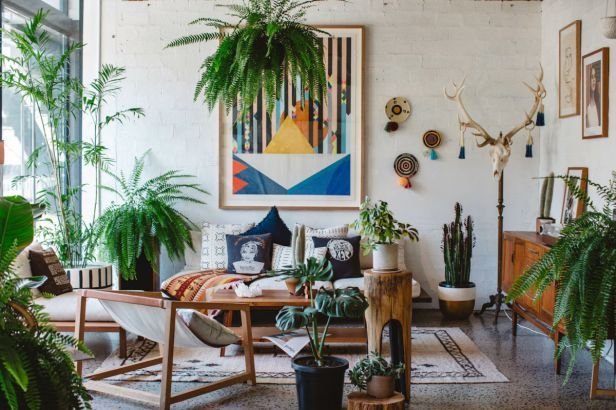
Save on cushions, lampshades and decorative objects, as these are easy to replace when your taste changes. Affordable additions can still make a room feel inviting, and there are plenty of ways to create a cosy room on a budget using soft lighting, layered textiles and items you already own.
Source Flooring Through Clearance Channels
Flooring covers a large area, so even a modest reduction per square metre can release useful money for underlay or installation. Ask retailers about discontinued colours, end-of-roll stock and cancelled orders. These products may be discounted because the range is changing, not because there’s anything wrong with their performance.
Measure every room carefully and allow extra material for cuts and future repairs. For a straightforward rectangular room, an allowance of around 5% may be enough, whilst patterned layouts can require more. Warrington homeowners comparing carpet, vinyl, laminate and herringbone options can also consult a carpet factory outlet that offers product advice, home delivery and free expert fitting. Always confirm that a clearance batch contains enough material before ordering, since matching stock may be unavailable later.
Upcycle Secondary Furniture Pieces
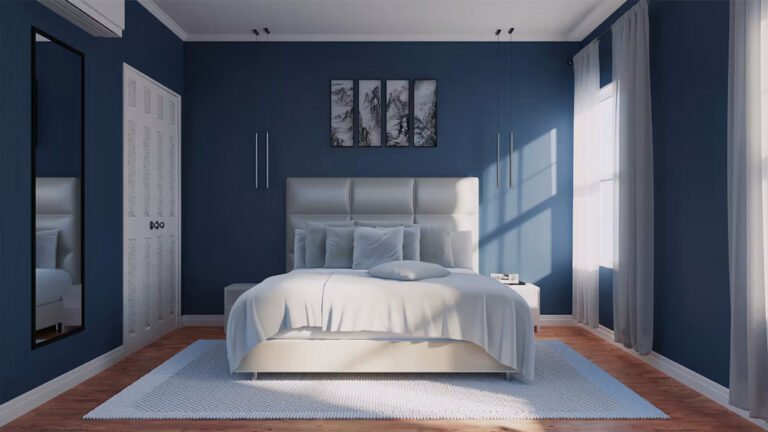
Direct your DIY energy towards furniture that doesn’t carry heavy daily loads. Bedside tables, display cabinets and occasional chairs are good candidates because cosmetic wear is usually easier to fix than structural damage. A second-hand chest may need only a clean, light sanding and fresh handles to suit a modern bedroom.
Inspect joints, drawers and signs of damp before buying. Solid timber usually gives you more scope for repair, although veneered pieces need gentle sanding to avoid cutting through the top layer.
You can also blend antique furniture into modern spaces by repeating colours, materials or shapes elsewhere in the room. This helps older and newer pieces feel intentional rather than mismatched.
Deciding where to save and where to splurge can also keep the budget focused on long-term anchor pieces while smaller furnishings remain affordable. Repeat one colour or material across old and new items to make the combination feel cohesive.
Invest in Professional Fitting
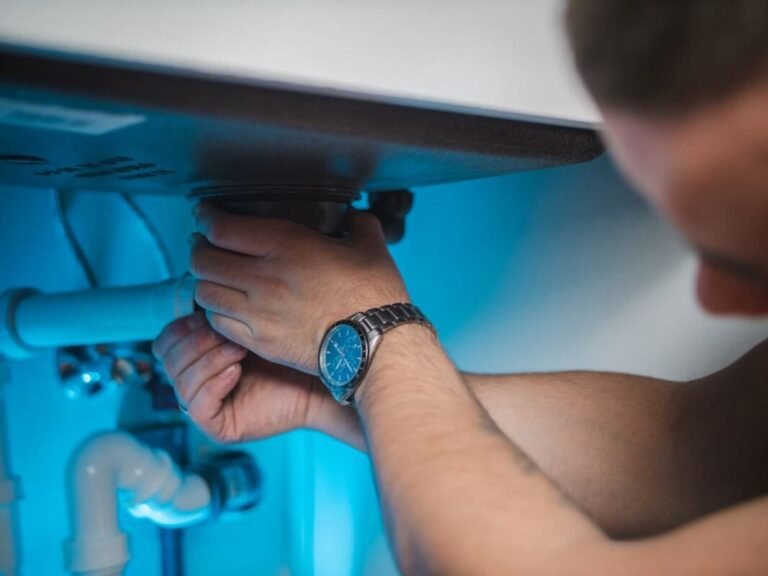
Reserve part of the budget for skilled fitting where accuracy affects appearance, safety or product life. Poorly laid flooring can lift at the edges, develop gaps or wear unevenly, while badly hung wall units may damage both the furniture and the wall. Correct installation can also protect a manufacturer’s warranty.
Request an itemised quote that covers preparation, materials, waste removal and finishing details. Ask who will move furniture, trim doors or dispose of old flooring, as these jobs may carry separate charges. Share photos and measurements before the visit, but expect the fitter to verify the space in person.
Once the main work is complete, live with the room for a week before buying more accessories. Empty corners often feel less noticeable after furniture settles into place, and the money left over can go towards one useful lamp, rug or storage piece that genuinely improves the finished space.
Related Posts



I love having dance parties in the kitchen with my family, traveling, and mason jar creations.
Follow on Pinterest