
Effective skin care is not about copying the longest routine online or buying every trending product. It is about understanding how your skin behaves, identifying the concern you want to address, and choosing habits you can maintain. At-home care can create a strong foundation, while professionally guided aesthetic skin and body treatments may be an option for people seeking help with persistent concerns, texture, discoloration, or visible signs of aging. A personalized approach also recognizes that skin may change with weather, hormones, stress, sleep, medications, exercise, shaving, makeup use, and sun exposure. The goal is not perfect skin. It is calmer, healthier-feeling skin and a routine that supports realistic progress without causing unnecessary irritation. Products that work well during one season or life stage may need to be adjusted later, so it is useful to reassess the routine when comfort, oiliness, dryness, or breakouts noticeably change.
Why Personalized Skin Care Matters
The same cleanser, exfoliant, or serum can feel helpful for one person and uncomfortable for another. Skin type describes general patterns, such as dryness or oiliness, while skin concerns describe issues such as acne, dark spots, redness, dehydration, rough texture, or fine lines. These categories can overlap. Someone may have oily skin that is also dehydrated, sensitive skin with acne, or dry skin with uneven tone. Personalized care begins by focusing on comfort and safety. Tightness, burning, peeling, stinging, swelling, or a lasting rash may indicate that a product is too strong, used too often, or not a good fit. A routine should support the skin barrier rather than repeatedly challenge it. This often means choosing products based on how the skin responds over time rather than assuming that a tingling sensation, visible peeling, or immediate dryness indicates a product is working.
Start With a Simple Skin Profile
Skin Type
- Dry: Often feels tight or rough and may need richer moisturizing products.
- Oily: May become shiny easily and be more likely to develop clogged pores.
- Combination: Can be oilier in the center of the face and drier elsewhere.
- Normal: Generally feels balanced, though it can still develop specific concerns.
- Sensitive or reactive: May sting, flush, itch, or become irritated by products or environmental changes.
Lifestyle Factors
Consider how much time you have in the morning and evening, whether you spend time outdoors, exercise frequently, wear makeup, remove facial hair, travel often, or experience seasonal changes. A consistently used three-step routine is usually more valuable than a complicated routine that is abandoned after a week. It can also help to think about practical details, such as whether a product layers well under makeup, feels comfortable after shaving, or can be reapplied during time outside.
Build a Basic Daily Routine
Morning Steps
- Cleanse gently or rinse with water if cleansing twice daily feels drying.
- Apply a moisturizer that leaves skin comfortable rather than greasy or tight.
- Finish with broad-spectrum sunscreen on exposed skin.
Evening Steps
- Remove makeup, sunscreen, and surface buildup.
- Cleanse without scrubbing, rough washcloths, or harsh brushes.
- Use one targeted treatment when appropriate.
- Apply moisturizer to support comfort overnight.
Introduce new active products one at a time. This makes it easier to see whether a product helps, does nothing, or creates irritation. When starting a treatment product, using it less often at first can be a practical way to assess tolerance before increasing frequency. Follow product directions, and simplify the routine if dryness, burning, or persistent peeling develops.
Skin Tone, Pigmentation, and Irritation
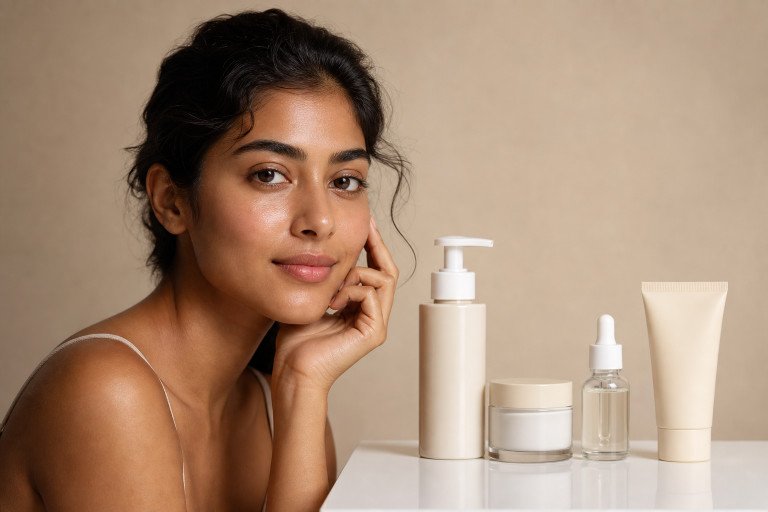
Skin tone does not determine skin type, but it can affect how inflammation and discoloration appear. Redness may be less noticeable on some complexions, while acne, friction, burns, shaving irritation, or aggressive exfoliation can leave darker marks after the initial irritation subsides. These marks are often called post-inflammatory hyperpigmentation. A gentle approach is especially important for people who are prone to dark marks. Treating both the active trigger and the residual discoloration can be beneficial, and guidance for clearing acne in darker skin tones emphasizes gentle cleansing, avoiding picking, and seeking expert advice before pursuing more intensive procedures. Daily sun protection is also important when managing uneven tone. Avoid unregulated lightning products and harsh home remedies, which can irritate the skin or worsen visible discoloration. Friction from tight clothing, repeated rubbing, and certain hair removal practices can also contribute to irritation, so reducing the trigger may be as important as adding a new brightening product.
Match Products and Treatments to Your Main Concern
For Dryness and Dehydration
Choose a mild cleanser and a moisturizer that helps reduce tightness and flaking. Limit frequent scrubs, strong acids, and very hot water if they leave the skin uncomfortable. Applying moisturizer while the skin is still slightly damp may help make the step easier to incorporate after cleansing or bathing.
For Acne and Congestion
Use gentle cleansing and avoid picking or squeezing blemishes. Consider one acne-focused ingredient at a time, rather than layering multiple strong treatments. Painful, widespread, scarring, or persistent acne deserves professional evaluation. Also, pay attention to whether new breakouts seem connected to hair products, makeup, masks, shaving, or friction from sports equipment.
For Uneven Tone and Dark Spots
Start by identifying what repeatedly irritates the skin, whether it is acne, eczema, hair removal, friction, or an unsuitable product. Managing the cause and using consistent sun protection can help prevent new marks. The approach to fading dark spots should be gradual, especially if the skin is sensitive or easily irritated. Avoid picking at healing blemishes, because even minor skin injury can prolong the appearance of a mark.
For Texture and Fine Lines
Hydration and sun protection remain the foundation. Retinoid-based products may be appropriate for some people, but they should be introduced slowly because irritation can occur. Professional options such as chemical peels, microneedling, or light-based procedures require individualized assessment. The best choice depends on the concern being treated, skin sensitivity, and the ability to follow aftercare instructions.
When Professional Care May Help
Schedule an evaluation if acne remains painful or is leaving scars, dark spots return without a clear trigger, or a rash becomes swollen, blistered, or unusually sensitive. Seek prompt medical attention for a mole, sore, or patch that changes in size, shape, color, or behavior. Professional guidance is also valuable before lasers, microneedling, injectables, or chemical peels, particularly when pigmentation changes are a concern. Bring a list of current skin products, prescription medications, supplements, and prior reactions so the provider can make recommendations with a fuller picture of your history.
Common Mistakes to Avoid
- Changing several products at the same time.
- Using exfoliants daily despite burning or peeling.
- Scrubbing acne or dark marks aggressively.
- Skipping sunscreen on cloudy days or during routine errands.
- Copying a social-media routine without considering sensitivity or skin goals.
- Continuing a product that causes swelling, persistent burning, or a lasting rash.
How to Track Progress
Take photos in similar lighting every few weeks, note when products are introduced, and track comfort, breakouts, dryness, oiliness, and discoloration. Review changes over several weeks instead of judging a routine by one day in the mirror. Skin often fluctuates, so patterns are more useful than daily imperfections. Keeping notes about menstrual cycles, travel, unusual stress, new medications, or changes in hair and makeup products may also help reveal possible triggers.
Questions to Ask Before a Treatment
- What specific concern is this treatment intended to address?
- Is it appropriate for my skin tone, sensitivity, and medical history?
- What side effects, pigment changes, or downtime are possible?
- Which products or medications should be paused beforehand?
- How many sessions may be needed, and what results are realistic?
- What is the plan if irritation or discoloration develops?
A Practical Path Forward
Personalized skin care does not need to be complicated. Begin with a gentle foundation, consistent sun protection, and one clear goal. Make changes slowly, monitor how your skin feels, and seek qualified guidance when concerns persist, or a professional procedure is being considered. The most effective routine is one that fits your skin, schedule, and long-term comfort. Small, sustainable adjustments are often easier to maintain and can provide a clearer understanding of what your skin actually needs. Patience also helps prevent unnecessary product switching and overuse.
Conclusion
Personalized skin care begins with understanding how your skin responds to products, environmental factors, and daily habits rather than following a routine simply because it is popular. A simple foundation of gentle cleansing, moisturizing, targeted care, and consistent sun protection can provide a practical starting point for many people. Introducing products gradually can make irritation easier to identify and may help prevent unnecessary changes to the routine. Concerns such as persistent acne, post-inflammatory hyperpigmentation, recurrent irritation, or noticeable skin changes may require professional evaluation, particularly if symptoms persist or worsen. Professional treatments should also be selected according to skin type, tone, sensitivity, medical history, and realistic treatment goals. By keeping routines manageable, monitoring changes over time, and seeking qualified guidance when needed, individuals can make more informed skin-care decisions that support their skin’s comfort and long-term needs.




Leave a Reply