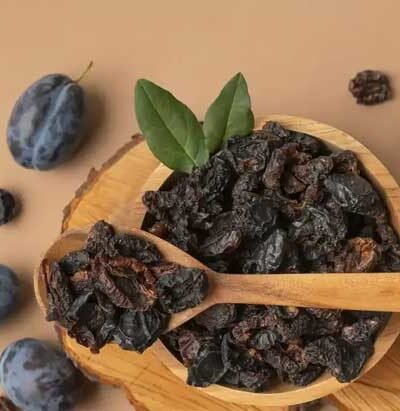
There are certain foods that never quite get the credit they deserve. Prunes are arguably at the top of that list. Long reduced to a punchline or associated exclusively with digestive emergencies, prunes have quietly accumulated one of the more impressive nutritional profiles of any commonly available food — and the research behind them has only strengthened over the past decade.
If you’ve been overlooking them, it’s time for a genuine reassessment.
More Than a Digestive Aid
Yes, prunes support healthy digestion. But framing them solely as a laxative undersells their value considerably. The benefits of prunes extend well beyond gut health into areas that matter enormously for long-term wellbeing: bone density, cardiovascular health, blood sugar regulation, and antioxidant protection.
Prunes are one of the few foods with a meaningful evidence base for supporting bone health. Multiple clinical studies have found that regular prune consumption — typically around 50 to 100 grams per day — can help slow bone loss and even improve bone mineral density, particularly in postmenopausal women. This is linked to their content of vitamin K, boron, magnesium, and polyphenols that appear to influence bone metabolism at a cellular level.
For anyone thinking proactively about bone health — whether due to age, family history, or simply wanting to build strong foundations early — this is a compelling reason to make prunes a consistent part of the diet.
Blood Sugar, Fiber, and the Glycemic Surprise
One of the most common misconceptions about prunes is that their natural sugar content makes them problematic for blood sugar management. The reality is more nuanced. Prunes have a lower glycemic index than many other fruits, in part because their soluble fiber content — particularly a compound called pectin — slows the rate at which sugars are absorbed into the bloodstream.
Research published in the British Journal of Nutrition has highlighted how the soluble fiber in dried fruits like prunes supports beneficial gut bacteria populations, contributing to the kind of microbiome diversity that influences metabolism, immune function, and even mood regulation.
For people managing their energy levels throughout the day or looking to reduce blood sugar spikes without eliminating natural sweetness from their diet, prunes offer a genuinely smart alternative to processed snacks.
Antioxidants You’re Probably Not Getting Elsewhere
Prunes are one of the most antioxidant-dense foods available, ranking consistently high on ORAC (Oxygen Radical Absorbance Capacity) scales. Their primary antioxidant compounds include neochlorogenic and chlorogenic acids — polyphenols that have been studied for their role in reducing oxidative stress and inflammation.
Chronic low-grade inflammation is increasingly understood to be a driver of conditions ranging from cardiovascular disease to cognitive decline. While no single food is a cure, incorporating consistently high-antioxidant foods into your diet is a straightforward way to support the body’s natural defenses over time.
Prunes also contain decent amounts of potassium, which supports heart health and blood pressure regulation, as well as iron and B vitamins that contribute to energy metabolism.
Simple Ways to Make Them a Daily Habit
The practical barrier to eating prunes regularly is mostly one of habit rather than taste. They’re naturally sweet, chewy, and satisfying — qualities that make them easy to incorporate without much effort.
A handful alongside your morning coffee, chopped into overnight oats, blended into a smoothie for natural sweetness, added to a cheese board, or eaten as an afternoon snack between meals all work well. Cooking with prunes is also underrated — they pair beautifully with slow-cooked meats, grain salads, and dark chocolate-based desserts.
The key is consistency. Most of the research supporting their health benefits is based on regular daily consumption rather than occasional use.
A Small Change With Outsized Returns
Wellness culture tends to chase novelty — the newest superfood, the latest supplement protocol, the most recently trending ingredient. Prunes are the opposite of that. They’re affordable, widely available, shelf-stable, and backed by decades of nutritional research. They also happen to be genuinely delicious when you stop thinking of them as medicinal and start treating them as what they are: a remarkably functional whole food.
Adding a small daily portion to your routine is one of the lowest-effort, highest-return adjustments you can make to your diet.




Leave a Reply