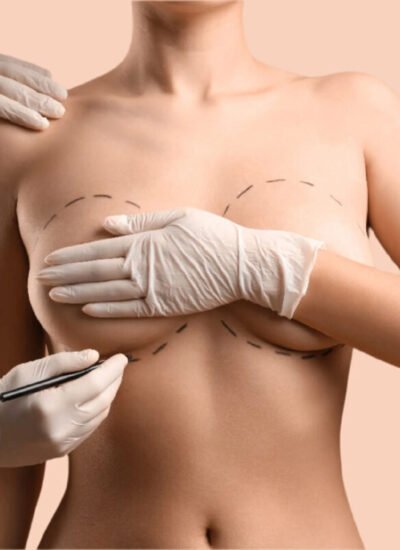
 Breast augmentation is one of the most commonly performed cosmetic surgeries in the world. But common doesn’t make it a small decision. It’s a surgical procedure with a real recovery period, results that vary significantly based on surgeon skill, and long-term implications worth understanding before you book a consultation.
It is not just a cosmetic change but a medical procedure that involves careful planning, physical recovery, and long-term maintenance considerations. Many patients are surprised by how much preparation and decision-making goes into the process before surgery even takes place. Understanding the basics early helps set realistic expectations and reduces uncertainty.
Here’s a clear-eyed look at what you should actually know going in.
What Surgery Can and Cannot Achieve
Augmentation adds volume and can improve symmetry. Those are its core functions. What it doesn’t do is significantly lift breasts that have lost projection, correct severe asymmetry without additional procedures, or change the shape of the chest wall. Patients who come in with specific, realistic goals tend to be considerably happier with outcomes than those with a general sense of wanting to look “better.”
A good surgeon will tell you during a consultation whether augmentation alone achieves what you’re describing — or whether a lift or combined procedure is actually what you need. That kind of direct communication is one of the more reliable indicators of a surgeon worth trusting.
Implant Types and Key Differences
The two main materials are saline and silicone. Saline implants are filled after insertion and are easier to detect if they rupture. Silicone implants feel more similar to natural breast tissue and are the more common choice today. Both are FDA-approved and have been in widespread use for decades.
Shape, profile, and placement are the other major decisions. High-profile implants project more. Low-profile implants sit wider. Placement above or below the chest muscle affects both appearance and how the implants interact with mammogram imaging. These variables should be discussed in detail with your surgeon based on your specific anatomy and goals — not chosen off a menu.
Recovery: The Part Most People Underestimate
Most patients take one to two weeks off work. The first few days involve tightness, limited arm mobility, and soreness — manageable, but more significant than people often expect from a same-day procedure. Swelling takes several weeks to resolve, and implants typically shift and settle over the first three to six months.
You’ll be restricted from strenuous activity for four to six weeks, and from direct chest exercises for longer. Following your surgeon’s post-operative instructions carefully directly affects healing quality and the final result.
According to the American Society of Plastic Surgeons, breast augmentation has been the most performed cosmetic surgical procedure in the US for many years running. That volume has driven real advances in technique and implant technology — but outcomes are still closely tied to how well the surgeon plans and executes the specific case.
How to Evaluate a Surgeon
Board certification from the American Board of Plastic Surgery (ABPS) is one of the most important credentials to verify when choosing a plastic surgeon in Scottsdale or anywhere in the U.S. Beyond that, the portfolio matters more than the certificate. Ask to see before-and-after photos of patients with a similar body type and comparable goals, not just the surgeon’s best results.
The consultation itself tells you a great deal. Does the surgeon listen carefully, explain the reasoning behind recommendations, and tell you clearly what they can’t achieve? That transparency in the consultation room tends to reflect how they operate post-operatively as well.
For patients considering breast augmentation with Dr. Jonathan Weinrach is worth a serious look. His approach centers on natural proportion and thorough pre-surgical planning — the combination that consistently produces results patients are still satisfied with years after the procedure.
Long-Term Considerations
Implants are not lifetime devices. Current FDA guidance encourages patients to plan for the possibility of revision surgery at some point — whether from implant changes over time, capsular contracture, or simply wanting to modify size later. Factoring that reality into the original decision is worth doing.
Ongoing care matters too: regular follow-ups with your surgeon and periodic imaging for silicone implants are part of responsible long-term management.
Conclusion
Breast augmentation done well produces results that hold up for years. Getting there requires choosing the right surgeon, having a thorough honest conversation about what’s achievable, and going in with a clear-eyed understanding of recovery and long-term care. Take your time with the research, consult more than one surgeon if you’re uncertain, and make the decision when you’re confident — not because someone else thinks you should.




Leave a Reply