
Mason Jar Breakfast

Not Your Grandma's Mason Jar Anymore!

  • Home
  • Recipes
    • Mason Jar Breakfast
    • Mason Jar Lunch
    • Mason Jar Dinner
    • Mason Jar Dessert
  • Crafts
  • Décor
  • Gifts
  • Beauty
  • About
  • Shop
  • Others
    • Auto
    • Business
    • Fashion
    • Food & Beverage
    • Health
    • Home Improvement
    • Immigration & Investment
    • Lifestyle
    • SEO Digital
    • Tech
    • Travel
Teaching Children the History Behind Christmas Celebrations

Teaching Children the History Behind Christmas Celebrations

Lifestyle Leave a comment

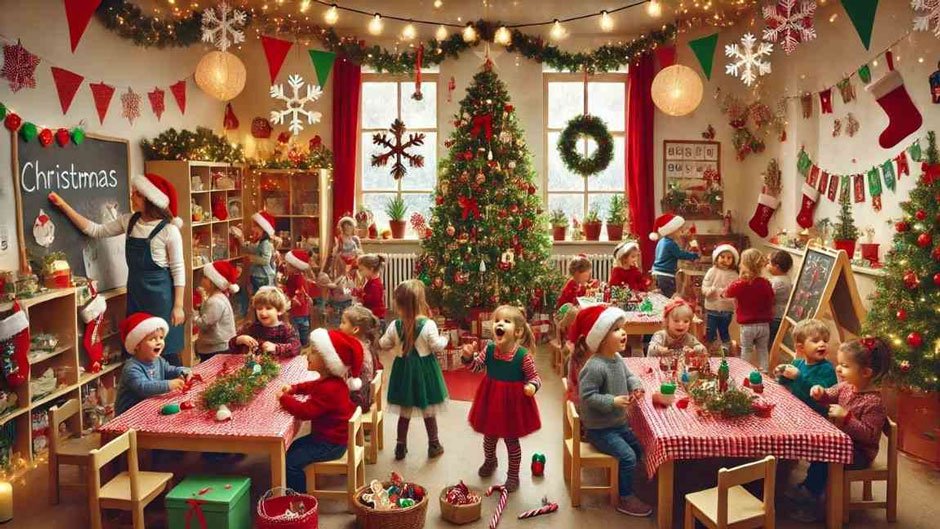
Teaching Children the History Behind Christmas CelebrationsChristmas morning arrives with wrapped presents and excited children, but beneath all that tinsel and turkey lies a proper treasure trove of history just waiting to be explored. When you share the stories behind Christmas traditions with your children, you’re doing much more than just keeping them entertained, you’re actually connecting them to centuries of human culture and belief.

The Heart of Christmas: A Birthday Story

Christmas began as a celebration of Jesus Christ’s birth over two thousand years ago. You can explain to children that whilst we don’t actually know the exact date Jesus was born, early Christians picked 25th December to honour this momentous event. This choice wasn’t just pulled out of thin air, it coincided with existing winter festivals, which made it much easier for people to embrace the new celebration.

For younger children, this becomes a simple birthday party concept they can easily grasp. Jesus’s birth story, with its humble stable setting and visiting shepherds, really captures the imagination whilst introducing the spiritual foundation of Christmas. It’s quite remarkable how this simple story has endured for so long.

Ancient Roots Run Deep

Many Christmas customs actually predate Christianity by centuries, which might surprise you. The Romans celebrated something called Saturnalia, a week-long festival of feasting and gift-giving in late December. Germanic and Celtic peoples marked the winter solstice with evergreen decorations, believing these plants held special power during the darkest time of year.

When you hang holly or mistletoe in your home, you’re participating in traditions that stretch back to ancient Britain. These plants stayed green through winter, symbolising hope and renewal when everything else appeared completely lifeless. Your children might find it absolutely fascinating that they’re continuing practices their ancestors followed thousands of years ago.

How Traditions Travelled

Christmas customs spread across Europe through trade, conquest, and cultural exchange. Each country added its own particular flavour; Germans developed the Christmas tree tradition, whilst Italians created those lovely nativity scenes we see everywhere. Dutch settlers brought St Nicholas stories to America, where he eventually transformed into our familiar Father Christmas.

For parents and foster carers alike, these stories offer wonderful opportunities to explore your family’s heritage. Children fostered with a Christian foster care agency might enjoy learning about traditions from their birth countries or discovering new customs within their foster families. Christmas becomes a bridge between past and present. It connects children to something much larger than themselves.

Modern Celebrations with Ancient Hearts

Today’s Christmas blends religious reverence with secular joy in quite a unique way. Carol singing echoes medieval traditions, whilst Christmas cards emerged during Victorian times when postal services improved. Even Christmas dinner reflects historical influences, turkey became popular after explorers brought it back from the Americas.

You don’t need to overwhelm children with complex historical details, mind you. Instead, share bite-sized stories during decoration time or whilst walking past church nativity scenes. When your child asks why we give presents, you can mention the three wise men bringing gifts to baby Jesus. Or explain how St Nicholas secretly helped poor families centuries ago.

Bringing History Home

Christmas history isn’t confined to dusty old textbooks gathering dust on shelves. Every time you light advent candles, sing carols, or place a star atop your tree, you’re participating in genuinely living history. These traditions have comforted, inspired, and united people across generations, wars, and massive social changes.

Teaching children about Christmas history enriches their celebration whilst fostering real appreciation for cultural continuity. You’re helping them understand that they’re part of an ongoing human story, one that began long before them and will continue long after. Through these shared traditions, Christmas becomes more than presents and pudding. It becomes a celebration of our shared humanity.


Related Posts

  • Mason jar Christmas decoration step 4
    Christmas Mason Jar Ideas: Christmas Mason Jar Centerpiece

    Looking for Christmas Mason jar ideas? Look no further than this Mason jar Christmas craft!…

  • 7 Essential Tips for Incorporating Learning for Hearing Impaired Children

    Helping children with hearing impairments learn is a meaningful journey that requires patience, creativity, and…

  • Where-to-Buy-Last-Minute-Christmas-Pyjamas-Online-(With-Fast-Delivery)
    Where to Buy Last-Minute Christmas Pyjamas Online (With Fast Delivery)

    Written by Ben Austin, CEO of Christmas Pyjamas UK Need festive PJs in a flash?…

  • What Is the Best Physical Therapy for Disabled Children
    What Is the Best Physical Therapy for Disabled Children

    Physical therapy is a cornerstone of care for children with disabilities, offering essential support for…

Filed Under: Lifestyle

Leave a Reply Cancel reply

Your email address will not be published. Required fields are marked *

Hi, I'm Yetta. I love having dance parties in the kitchen with my family, traveling, and Mason jar creations.

Follow on Facebook Follow on Pinterest Follow on Twitter Follow on Instagram

Recent Posts

Top Four Tips to Find an Old Friend You’ve Lost Touch with Online
How to Assess if a Health Insurance Plan Is Perfect for You
Huedrift DTF Printing Solutions
The Art of Building a Timeless Fragrance Wardrobe
Evaluating Business Cost and Financing Options
Photo from Pexels Getting little ones involved in sports early can shape their entire approach to fitness and activity for years to come. Think of those first five years as a golden window; kids are soaking up everything, developing coordination at lightning speed, and building habits that'll stick with them. The goal here isn't creating tiny athletes or pushing for perfection. Instead, it's about letting children discover how fun movement can be while they naturally strengthen their bodies and minds. When toddlers and preschoolers explore sports through play, they're learning way more than just physical skills. They're figuring out how to interact with other kids, building confidence each time they try something new, and developing a genuine love for being active. The trick is choosing activities that feel like games rather than training sessions, where safety comes first and every child gets to shine at their own pace. Swimming and Water Activities There's something magical about watching young children discover their abilities in water. Swimming tops the list for early childhood sports because it delivers so much in one package, physical development, safety skills, and pure joy all rolled into one splash-filled experience. Parents can start introducing babies to water as early as six months, beginning with gentle familiarization sessions that build comfort and trust. As children grow, they naturally progress into more structured lessons that teach actual swimming techniques. Soccer for Little Feet Soccer has this wonderful simplicity that makes it perfect for tiny beginners. Programs designed for the under-five crowd aren't really about understanding offside rules or winning tournaments, they're about the thrill of kicking a ball and running around with friends. Children naturally develop their gross motor skills as they figure out how to move that ball where they want it to go, all while improving balance through quick direction changes. The beauty of these early soccer programs lies in their ability to disguise physical development as pure play. Gymnastics and Tumbling Step into any toddler gymnastics class, and you'll find organized chaos in the best possible way. These programs create safe spaces where children can flip, roll, jump, and explore what their bodies can do without parents having heart attacks over safety. The equipment is specifically designed for little ones, think low beams they can't fall far from, mountains of soft mats, and colorful foam shapes that spark imagination while building skills. What makes gymnastics so valuable at this age is how it develops the fundamental movements that'll support literally every other physical activity they'll ever try. Toddler Dance and Movement Classes Dance gives young children permission to express themselves physically in ways that other sports might not. These classes blend structure with freedom, teaching basic techniques while encouraging kids to interpret music through their own unique movements. There's something special about watching a three-year-old discover they can move their body in time with a beat. Through dance, children naturally enhance their coordination, balance, and rhythm without it feeling like work. Golf Fundamentals for Young Learners Golf might seem like an unusual choice for preschoolers, but hear this out, adapted programs can introduce foundational concepts in surprisingly fun ways. These aren't traditional golf lessons where kids spend hours perfecting their stance. Instead, they're playful experiences that build hand-eye coordination and teach patience through games with oversized, brightly colored balls and pint-sized equipment. Children learn how to grip a club that actually fits their hands, practice swinging at targets that don't move (which is way easier than hitting something coming at you), and experience that satisfying moment when they finally make solid contact. When introducing young children to golf, parents often find that a properly sized toddler golf bag helps children carry their lightweight equipment comfortably while building independence and ownership of their sporting experience. The individual nature of golf can actually be a relief for some children who find team dynamics overwhelming. Many programs for this age group get creative with challenges, hitting balls into buckets at different distances or navigating mini obstacle courses on putting greens. Working on golf requires focus and persistence, qualities that strengthen even in these youngest players as they practice until they achieve what they're aiming for. Tennis and Racquet Sports Tennis has been reimagined for the preschool set in clever ways that make it totally accessible. Gone are the heavy racquets and lightning-fast balls that would frustrate tiny beginners. Instead, programs use feather-light racquets, soft foam balls that move in slow motion, and nets dropped to toddler height so kids can actually get the ball over them. These modifications aren't just about making things easier, they're about creating opportunities for success that build confidence and keep children engaged. Conclusion Starting sports before age five creates ripples that extend far beyond the playing field or pool. These early experiences shape how children view physical activity, whether they see it as something enjoyable or something to avoid. The sports that work best for this age group share common threads, they prioritize enjoyment over competition, adapt to developmental stages rather than forcing kids to meet adult standards, and create environments where every child can experience success. Parents know their children best and can tune into what sparks genuine interest versus what they think their child "should" do.

Recent Posts

  • Top Four Tips to Find an Old Friend You’ve Lost Touch with Online
  • How to Assess if a Health Insurance Plan Is Perfect for You
  • Huedrift DTF Printing Solutions: Turn Parenting into a Profitable Side Business
  • The Art of Building a Timeless Fragrance Wardrobe
  • Evaluating Business Cost and Financing Options

categories

Copyright © 2025 · All rights reserved. Disclosure Policy. Contact Us: Kelli@masonjarbreakfast.com