 A fresh layer of mulch can completely change the look of a property, but choosing the right type and color takes more thought than many homeowners expect. From boosting curb appeal to helping soil retain moisture, mulch plays both a practical and visual role in landscaping. Many homeowners searching for lawn services near Rogers, AR quickly realize that the best mulch choice depends on the home’s style, the condition of the soil, and how much maintenance they want throughout the year.
Match Mulch Color to Your Home’s Style
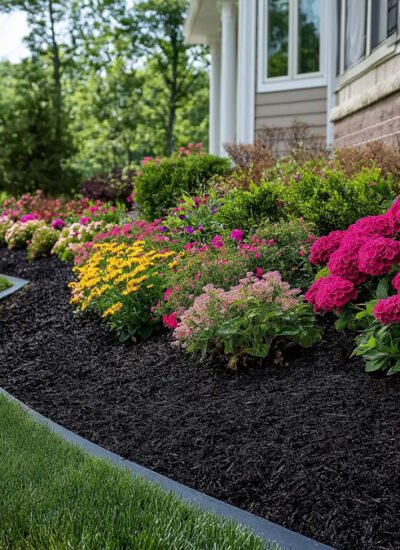
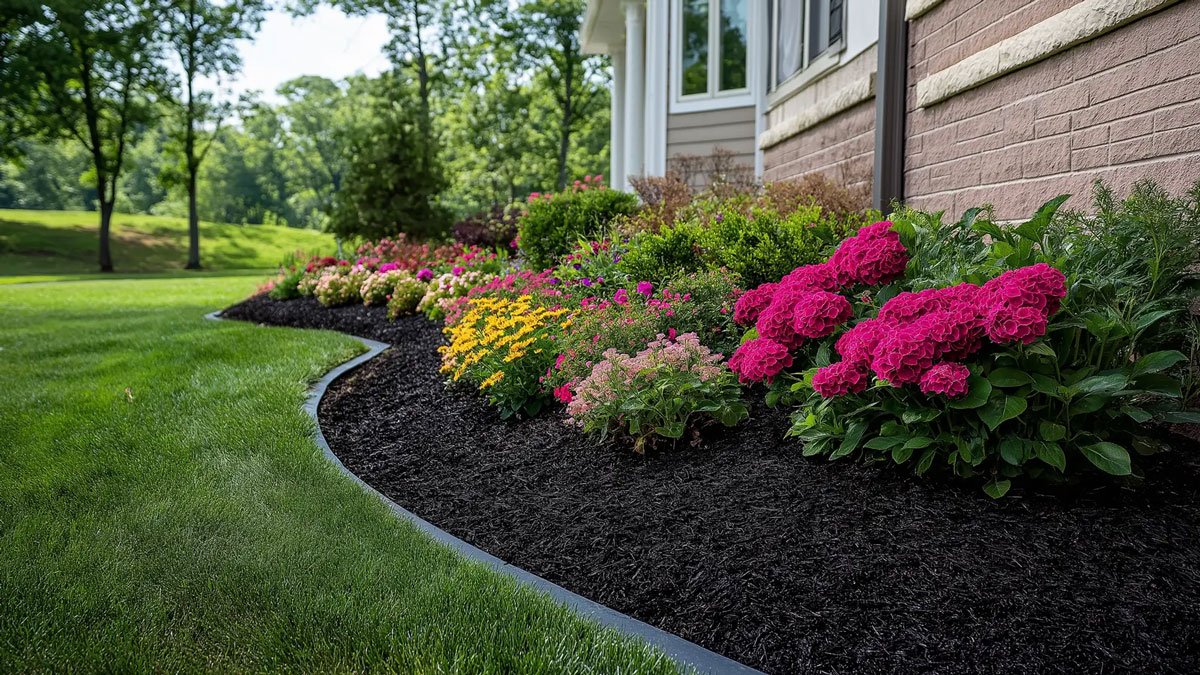
Mulch color has a bigger effect on how nice the front of your house looks than most people think. Dark brown mulch has a natural, classic look that complements brick homes, stone features, and established gardens. When put around homes with lighter walls or clean architectural lines, black mulch makes the area feel more modern and dramatic.
Red mulch can add warmth and contrast, though it often works best in specific settings. Some homeowners like how bold it looks, while others think it’s too much for a more natural landscape design. It helps to consider the colors of the roof, siding, and nearby hardscaping before making a final decision.
Lighter mulch options, such as pine straw or natural wood mulch, create a softer, more relaxed appearance. These options look great with cottage-style homes, properties near trees, and grounds with lots of plants. In many cases, subtle colors age more naturally over time and continue looking attractive as the seasons change.
Different Mulch Types Serve Different Purposes
Wood mulch is still one of the most popular options because it strikes a balance among cost, functionality, and appearance. Shredded hardwood mulch breaks down slowly and helps improve soil quality over time. It also stays in place better during heavy rain or strong winds.
Another well-liked choice for decorative spaces and groomed beds is pine bark mulch. It looks rich and makes it easier for water to pass through the soil. Over time, it can also promote healthier soil conditions because it breaks down gradually.
For low-maintenance areas, rubber and rock mulch are occasionally used. They don’t enrich the soil and could retain more heat in hot weather, but they do survive longer than organic materials. In areas with strong summer sun, that extra heat can sometimes stress nearby plants rather than help them thrive.
Soil Conditions Should Guide Your Decision
Not every mulch works well in every yard. Some soils dry out quickly and benefit from mulch that retains moisture longer. Organic mulches like bark or wood chips can help regulate temperature while slowing evaporation during hotter months.
Clay-heavy soil may need mulch that improves airflow and drainage near the surface. Thick or compacted mulch can sometimes trap too much moisture if applied incorrectly. In those cases, lighter shredded mulch often performs better than heavier decorative options.
Homeowners interested in healthier lawns and planting beds often ask professionals specializing in lawn care Rogers, AR, about soil-friendly mulch choices. The right material can slowly enrich the soil as it breaks down, supporting stronger root growth and healthier plants. That long-term benefit is one reason organic mulch remains so widely recommended.
Maintenance Matters More Than Many Expect
Different kinds of mulch keep their color longer than others. Mulches that have been dyed black or brown may look good for months, but they will wear off in the sun and rain. People who want their homes to look nice year-round may need to update them every so often to maintain rich color.
Natural mulch tends to fade more gradually, which some people actually prefer. It doesn’t look old all of a sudden; instead, it fades into the background as it gets older. This slower aging process may mean that landscaping plants don’t need to be cared for as often.
The amount of cleanup also varies by material. Lightweight mulch may scatter during storms or windy weather, while heavier bark nuggets usually stay in place better. Choosing a mulch that matches both the climate and maintenance expectations can save a surprising amount of time over the course of a year.
Mulch Placement Can Affect the Entire Landscape
If it is not put down correctly, even good mulch can cause problems. Some diseases can grow on trees and shrubs if the mulch is piled too high around them. For both looks and plant health, a layer that is smaller and more evenly spread out works best most of the time.
You can also tell the difference by the edges and borders. Clean landscape edges help the mulch look intentional instead of messy or unfinished. Even a simple mulch installation can look much better with a clean border around it.
Also, mulch works best when it doesn’t take over the environment but instead blends in with it. The main focus should still be on bright flowers, decorative stone, and grown plants. Instead of going against the plan, the mulch should add to it.
Conclusion
The best mulch choice depends on far more than color alone. A good option should fit the property’s style, support healthy soil, and match the level of upkeep a homeowner feels comfortable managing. Whether someone prefers rich dark mulch, natural wood textures, or a low-maintenance alternative, thoughtful selection helps a landscape stay healthier, cleaner, and more visually balanced throughout the year. Many homeowners researching lawn services near Rogers, AR find that working with professionals who understand local soil and climate conditions makes the entire process much easier and more effective in the long run.



Leave a Reply