 1. Understanding the Luxury Appeal in Today’s Market
Luxury is not defined only by price but by perception. In both the U.S. and Canada, homebuyers increasingly value quality finishes, functionality, and design cohesion over sheer size or extravagant features. A home that feels luxurious conveys a sense of comfort, craftsmanship, and attention to detail.
The modern definition of “high-end” has shifted toward simplicity, sustainability, and elegance. Buyers now look for properties that combine aesthetics with efficiency, open layouts, natural light, and premium yet understated materials. For sellers, understanding these expectations is the first step toward planning strategic renovations that enhance the luxury feel of a property.
2. Key Design Elements That Elevate Property Perception
Creating a high-end impression involves a balance of visual harmony, modern amenities, and material quality. Even moderate homes can project luxury when these fundamentals are executed thoughtfully. This section provides a home improvement guideline for luxury real estate that blends affordability with refinement.
Lighting and Ambience
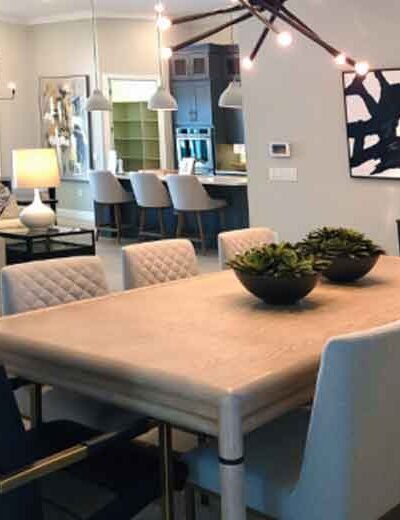
Proper lighting design transforms how a home is perceived. Layered lighting, combining ambient, task, and accent sources, adds depth and sophistication. Incorporate recessed lighting, dimmable LED fixtures, and feature pendants in dining or kitchen spaces. In Canada and the northern U.S., where daylight hours can be shorter in winter, maximizing natural light through larger windows or reflective wall colours can greatly enhance warmth and space perception.
Flooring Choices
High-quality flooring sets the foundation for a luxurious aesthetic. Engineered hardwood, wide-plank oak, and natural stone are popular among North American buyers. Even durable vinyl or laminate options with realistic finishes can mimic premium materials when installed with care. Continuity in flooring between rooms also creates a seamless, high-end look.
Neutral Palettes and Texture
Luxury interiors often rely on neutral tones, soft whites, taupes, and greys, combined with textured finishes like matte paint or linen drapery. These tones provide flexibility and pair well with minimalist decor, making spaces appear calm, expansive, and refined.
Built-in Functionality
Built-in shelving, hidden storage, and integrated smart home systems elevate convenience. Smart thermostats, security systems, and voice-controlled lighting now appeal to younger luxury buyers, merging technology with comfort.
3. Renovations That Deliver High-End Results
Certain upgrades consistently enhance perceived value and attract high-end buyers.
Kitchen Enhancements
The kitchen remains a focal point of any home. Features that resonate with luxury buyers include quartz or marble countertops, high-end appliances, and soft-close cabinetry. Minimalist hardware, under-cabinet lighting, and open shelving create a clean, modern aesthetic.
An emerging trend in both U.S. and Canadian markets is the “chef-inspired kitchen,” where function meets style. Elements like deep sinks, large islands with seating, and professional-grade ranges make daily cooking feel exclusive.
Bathroom Upgrades

Bathrooms are key spaces where luxury can be expressed effectively. Heated floors, frameless glass showers, and rain showerheads instantly convey quality. Freestanding tubs, stone counters, and built-in lighting around mirrors are features that help properties stand out in competitive listings.
Outdoor Living Spaces
High-end buyers increasingly value outdoor areas that extend the home’s functionality. Patios, decks, and outdoor kitchens with durable materials add usable square footage and enhance entertainment appeal. Landscaping with native plants, water features, and accent lighting adds to the premium impression.
Energy Efficiency and Sustainability
Luxury buyers are increasingly eco-conscious. Installing energy-efficient HVAC systems, upgraded insulation, and smart irrigation adds long-term value. Solar panels, while an investment, appeal to both environmental and economic sensibilities. According to Zillow’s 2024 Home Trends Report, listings highlighting energy efficiency sold for up to 2.5% more than comparable homes.
4. The Role of Craftsmanship and Quality Materials
Luxury is as much about feel as it is about function. Finishes that display precision and attention to detail communicate value. Homeowners often underestimate how quality craftsmanship can transform an average renovation into a premium experience.
Material Selection
Natural stone, solid wood, and brushed metals not only look refined but also age gracefully. In U.S. metropolitan areas such as Seattle and New York, matte brass fixtures are gaining popularity for their timeless appeal. In Canadian cities like Toronto or Vancouver, minimalist European cabinetry and natural textures are prominent in luxury builds.
Custom Detailing
Custom millwork, crown moulding, and trim enhancements can elevate any space without major structural changes. Even in smaller homes, adding these touches helps mimic the detailing found in high-end properties.
Consistency Across the Home
A unified design theme, from flooring to fixtures, creates visual harmony. Avoid mixing too many materials or finishes. Instead, choose a palette and texture family that flows naturally throughout. This consistency signals design intention and sophistication to potential buyers.
5. Data and Market Trends Supporting Luxury Renovations
Statistics reinforce that strategic renovations impact buyer interest and sale price.
- The National Association of Realtors (NAR) reported that homes featuring upgraded kitchens and baths sold up to 38% faster in 2024 than unrenovated homes in similar markets.
- The Appraisal Institute of Canada found that kitchen remodels recover 75–100% of costs upon resale, particularly when modern finishes are used.
- Zillow’s research indicates listings highlighting “luxury finishes” received 24% more online views on average.
- Energy-efficient features and smart technology installations contributed to average resale premiums of 2–5% across major cities.
These figures confirm that strategic, quality renovations deliver measurable results, especially in urban and suburban regions where buyers actively compare amenities and finishes.
6. Balancing Cost and Value

Luxury-oriented renovations do not always require extravagant spending. The key is smart investment, prioritizing updates that influence first impressions and daily living.
Practical Guidelines
- Focus on visible, tactile upgrades such as lighting, floors, and surfaces.
- Plan renovations that appeal to multiple demographics rather than niche buyers.
- Maintain timeless aesthetics rather than chasing short-lived design fads.
- Partner with experienced contractors and interior designers to maintain quality.
Homeowners should budget renovations relative to the property’s value. Typically, investing 5–10% of the home’s worth into cosmetic or functional upgrades yields solid returns without overcapitalizing.
7. Presenting and Marketing the Finished Product
Once the upgrades are complete, an effective presentation ensures maximum buyer engagement. Professional photography and staging highlight luxury features in online listings, which is vital given that most buyers start their search digitally.
- Use neutral decor to emphasize design quality rather than personal style.
- Highlight details such as imported materials or energy-saving systems in descriptions.
- Emphasize lifestyle benefits, ease, comfort, and sophistication, rather than just the upgrades themselves.
Collaborating with an experienced Realtor ensures the property’s improvements are positioned accurately in marketing materials and MLS listings.
Luxury is no longer about excess; it’s about refinement, comfort, and thoughtful design. Strategic renovations that prioritize craftsmanship, sustainability, and timeless aesthetics elevate property appeal across U.S. and Canadian markets. By following clear design principles and investing in quality improvements, homeowners can create an environment that feels genuinely high-end and achieves higher returns when it’s time to sell.




Leave a Reply