The Psychology Behind Visual Appeal
Humans are inherently visual when it comes to their dining experiences. The way each meal is presented shapes not only initial perceptions but also expectations for taste and overall quality. This is evident whether you’re dining at home or at a well-regarded spot like Great White restaurant. Studies suggest that food arranged thoughtfully on the plate increases appetite and enjoyment before the first bite.
It’s not just the flavor but also the appearance that sets the tone for dining. When diners are served visually appealing plates, their ratings of taste, freshness, and satisfaction rise. This phenomenon is rooted in psychology; attractive food signals higher quality and care, leading to a more positive overall dining experience.
Color and Contrast: A Feast for the Eyes
The use of color and contrast plays a crucial role in food presentation. Bright and varied hues are associated with freshness and can make dishes appear more vibrant and delicious. For instance, a simple addition of green herbs, a scattering of pomegranate seeds, or a splash of deep red sauce can transform the dish’s visual landscape. These cues are recognized by our brains and may influence our expectations of the flavors we are about to experience.
Texture and Arrangement: Crafting the Perfect Bite
Texture is a major factor in elevating the perception and satisfaction of a meal. Combining crunchy, creamy, and tender elements on a single plate gives diners a dynamic sensory experience. Layering textures, such as a crispy garnish set atop a velvety puree, introduces complexity to a dish and maximizes enjoyment with every bite.
Arrangement matters as well. By placing elements with intention, chefs can ensure that each bite offers a blend of flavors and textures. Symmetry, negative space, and flow are all considered during the plating process to make each part of the meal visually appealing and structurally balanced.
Tableware and Ambiance: Setting the Stage
The dining experience goes beyond what is on the plate. The choice of tableware and the ambiance of the setting can subtly but powerfully influence how food is received. Heavy cutlery can make a meal feel more substantial, while light or whimsical tableware might encourage a playful approach to eating. The color and shape of the plate itself affect taste perception, with certain colors, like white or black, helping some foods seem fresher or more intense.
Social Media and the Rise of Aesthetic Dining
In the current age of social media, diners are quick to share beautiful meals with their networks. The visual aspect of food is now as much about digital presentation as it is about taste. A visually striking dish can become an attraction itself, driving interest and business through shared photos and stories.
This modern trend has encouraged chefs and home cooks alike to think creatively about food presentation, ensuring each plate is camera-ready. The viral appeal of a beautifully crafted dish has transformed culinary arts into a form of public storytelling, where aesthetics can boost reputation and customer engagement.
Practical Tips for Enhancing Food Presentation
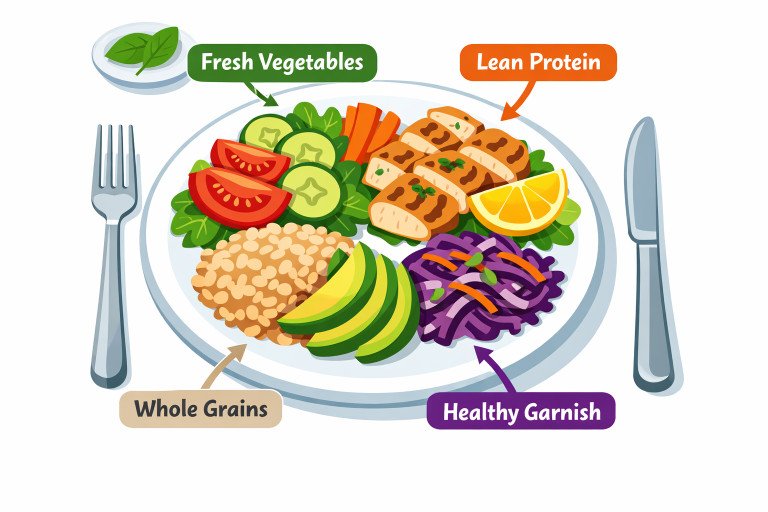
Balance the Plate: Arrange different components so they are proportional and visually harmonious. Balance proteins, vegetables, and carbs for an inviting look.
Use Garnishes Wisely: A sprinkle of fresh herbs, edible flowers, or a careful drizzle of sauce adds color and freshness, but should never overwhelm the main flavors.
Consider Plate Selection: Choose dishes and bowls that complement the food, enhancing the visual story and setting the scene for what’s to come.
Mind the Details: Spotless plates, precise portions, and thoughtfully placed components signal professionalism and care.
Final Thoughts
Food presentation is an essential piece of the dining puzzle. By tapping into principles of color theory, texture, arrangement, and ambiance, chefs and home cooks can transform everyday meals into extraordinary experiences. Thoughtful presentation encourages diners to slow down, savor each bite, and leave with a memorable impression, proving that we truly eat with our eyes as much as our mouths.




Leave a Reply