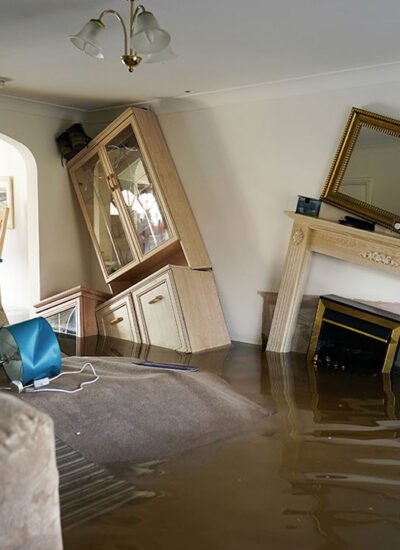
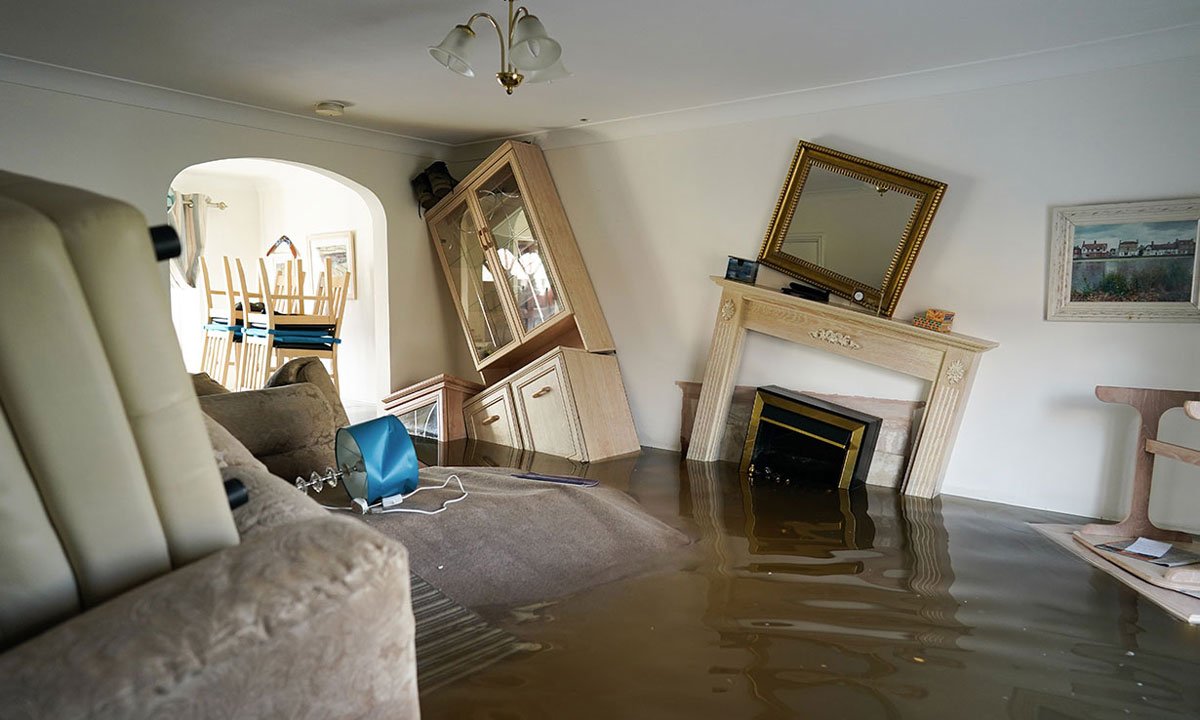
 Water damage can happen quickly, whether it comes from a burst pipe, heavy rain, a leaking roof, or a broken appliance. Once water gets inside, it starts soaking into floors, walls, furniture, and other materials right away.
Drying your house properly is just as important as getting rid of the water. Even if things look dry, moisture can stay hidden in walls and floors, which can cause mold and costly repairs. Here are steps to dry out your house and prevent future problems.
Why Drying Your Home Quickly Matters
Water spreads quickly through drywall, wood, insulation, and floors, making the damage worse the longer it remains. Experts recommend starting the drying process within the first 24 to 48 hours if you can.
Acting quickly also helps stop mold from growing. If your home is dried properly, you are less likely to have musty smells, weak building materials, or hidden moisture that causes problems later. Taking action early can save you time and money.
Step 1: Stop the Water Source
The first step is to stop more water from coming in. If the problem is a plumbing issue, turn off your home’s main water supply right away to prevent more leaking.
After you stop the water, find out what caused the problem. It might be a burst pipe, leaking roof, overflowing washing machine, or broken water heater. Fixing the cause helps prevent more water damage while you clean up.
Turn Off the Water Supply
If a plumbing leak is the cause, find your home’s main shut-off valve and turn it off right away. This stops more water from flooding the area while you start cleaning up. If you don’t know where the valve is, now is a good time to find out for future emergencies.
Address the Cause
Stopping the leak is just the first step. You also need to fix the broken pipe, roof, appliance, or fixture before you start repairs. If you don’t, the problem could happen again even after everything is dry.
Step 2: Remove Standing Water
Standing water slows down the drying process and allows moisture to spread deeper into your home’s structure. Use a wet vacuum, pump, buckets, or mops to remove as much water as you can as quickly as possible.
If the flooding is bad, don’t walk through deep water until you know it’s safe. Water can hide electrical dangers or weaken floors, especially if it has been there for a while.
Step 3: Remove Wet Items
Remove rugs, furniture, curtains, boxes, and other wet items that can hold moisture. Taking these things out helps air move better and lets your home dry faster.
Some things can be cleaned and dried, but others may need to be thrown away if they are badly damaged. Wet insulation and soaked cardboard usually can’t be saved because they trap moisture and can lead to mold.
Step 4: Increase Air Circulation
Moving air helps wet surfaces dry faster. Put fans in the rooms that got wet and open windows for cross ventilation if the weather is dry and not humid.
Keep the fans running for several days, not just a few hours. This helps stop moisture from settling back into walls, floors, and other materials that are still drying.
Use Fans Correctly
Point fans across wet surfaces instead of just one spot. Using several fans at the same time works better than just one. If you have ceiling fans, keep them on to help air move around the room.
Avoid Spreading Contaminants
If the floodwater came from outside or has sewage, keep windows closed until you remove anything contaminated. Opening windows when it’s humid can also slow down drying by letting in more moisture. Always think about the weather and the type of water before you open windows.
Step 5: Use Dehumidifiers
Fans help move air, but they don’t take moisture out of it. A dehumidifier removes water from the air, which helps walls, floors, and furniture dry faster.
For bigger water damage, professionals use commercial dehumidifiers because they are much stronger than home models. Keeping indoor humidity below 50% also lowers the risk of mold while your house dries.
Step 6: Dry Walls, Floors, and Structural Materials
Different materials dry at different rates, so don’t assume everything is dry at once. Drywall, hardwood floors, insulation, and wood framing can still hold moisture even after the surface feels dry.
Professionals use moisture meters and thermal cameras to find hidden moisture inside walls and under floors. These tools help make sure the structure is really dry before repairs start.
Drywall
Drywall absorbs water quickly and can lose its strength if it stays wet for too long. If it’s heavily soaked or beginning to crumble, replacing the damaged sections is often the safest option.
Hardwood Floors
Hardwood floors should dry slowly and evenly to avoid warping or cupping. The right mix of airflow and dehumidifiers helps remove moisture without causing more damage.
Carpets
Carpets that get wet from clean water can sometimes be saved if you dry them quickly. But carpet padding usually needs to be replaced because it holds moisture, especially after flooding or dirty water.
Insulation
Most insulation stops working well once it gets soaked. Wet insulation also keeps moisture against wood and other materials, which can lead to mold if it isn’t taken out and replaced.
How Long Does It Take to Dry Out a House?
How long it takes to dry your house depends on how much water got in, what materials were affected, and the humidity inside. Small water damage may dry in three to seven days, but major flooding can take weeks.
Hardwood floors often need five to fourteen days to dry, while drywall usually dries in three to seven days. The best way to know if your home is dry is to check moisture levels, not just how things look.
Signs Your Home Is Not Completely Dry
Your home might still have hidden moisture even if everything looks normal. Musty smells, peeling paint, warped floors, soft drywall, and high humidity are signs that water could still be trapped inside.
If you see mold spots or condensation after cleaning up, you probably need to dry things more. Ignoring these signs can lead to bigger repairs later, so it’s best to check early.
Can You Dry a House Yourself?
You can often handle small leaks or spills with household fans, dehumidifiers, and quick cleanup. If you start drying right away and the area is small, you might be able to stop serious damage.
Bigger floods, water inside walls, or sewage backups usually need professional help after water damage because they require specialized equipment and experience. Water damage restoration experts use moisture meters and industrial dryers to make sure all hidden moisture is gone before mold can grow.
Tips to Prevent Mold While Your Home Dries
Take out wet materials as soon as you can, keep fans and dehumidifiers running, and check indoor humidity every day. Clean and disinfect surfaces when it’s safe, especially if the water was dirty.
Don’t hurry to put back flooring, drywall, or insulation until everything is fully dry. Taking a bit more time now can help you avoid mold and costly repairs later.
Conclusion
Drying out a house after water damage means more than just getting rid of standing water. You also need to improve airflow, lower humidity, and make sure all hidden moisture is gone before starting repairs.
If the damage is large or you are not sure your home is fully dry, it’s best to call a professional water damage restoration company. Getting help early can protect your home, lower repair costs, and give you peace of mind that the job is done right.


Leave a Reply