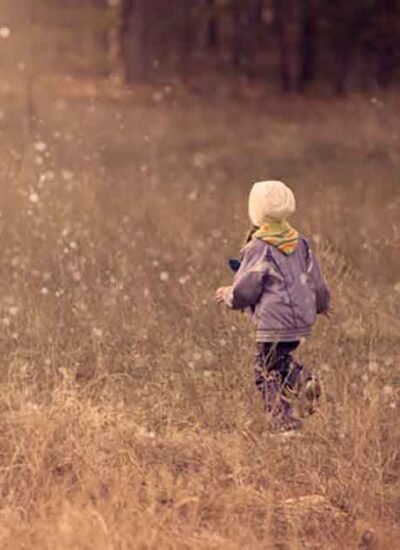

Children are tiny chaos machines. But adorable ones. They pick up everything in early childhood because this is when their brains are all soft clay, ready to be shaped by everything around them. That’s where play comes in. It’s not just to keep them busy. It’s to help them learn to function in this world.
Kitchen Experiments
Cooking with children is chaos, but with a purpose. The beauty of it is that even measuring flour can become an unplanned maths lesson. Cracking eggs is about precision and patience, and sometimes cleaning up sticky regrets. They learn that following the steps has results, and skipping one makes things weird. It’s logic disguised as fun.
On top of that, cooking is one of those activities that teaches consequences. It teaches them in a very tangible way. Burnt cookies are heartbreaking, and they leave a bitter taste in your mouth.
When you allow your kids to pour and stir, you’re not doing it to save time or entertain them. You’re teaching them about self-control and trust. They’re allowed to touch things that usually belong to adults, and that’s empowering. They get to feel grown and learn at the same time.
The Big Team Challenge
Put a few children together with one task, and something fascinating happens. They either cooperate beautifully or descend into pure chaos. Sometimes, they decide to give you both. Still, both outcomes are valuable. Group activities like building a giant cardboard rocket or creating a shared garden patch teach social awareness in a way solo play never can.
In an early learning centre, these group moments are gold. Educators can guide children gently through the process of teamwork. All that, without stepping in too much. The little ones start to figure out the rhythm of working with others and how to celebrate something they built together.
The Great Outdoor Quest
Put a child outside, and they will find the opportunity to play in every corner. For kids, the outside world is an endless puzzle. The grass feels different when it’s wet, and wait until they learn that bugs have secret lives. Even something as simple as observing clouds can awaken their curiosity.
Outdoor play isn’t just exercise. It’s curiosity training. Running, climbing, and falling without breaking something teaches risk management. They test limits and discover what their bodies can actually do. These are all very important lessons.
Nature has a funny way of teaching patience, too. Watching ants or waiting for a butterfly to land nearby does something to their attention span. It stretches it slowly and quietly. And the dirt is a natural lesson in sensory exploration and immune system resilience. All that mess is worth a brain that knows how to slow down and observe.
The Pretend Grocery Shop
Give them a basket, a few cans, and some fake money. Watch what happens. Suddenly, they’re in charge of the economy. Pretend shopping might sound simple, but it’s financial literacy in disguise. They learn counting, decision-making, and even empathy when they pretend to sell to someone. The tiny cashier learns patience. The tiny customer learns boundaries and how to ask nicely for what they want.
And sometimes they charge $50 for a banana, which is inflation at its purest form. Still, the act of pretending to buy and sell creates an understanding of exchange and fairness. It’s more powerful than it looks because it gives structure to social interactions that will later show up in classrooms and friendships.
Cleaning Games
We know you dream of the day your child cleans up their room without being asked. That day rarely comes, but it can be trained. Turning clean-up time into a game changes everything. When children race to pick up toys before a song ends or feed the toy box, they’re learning responsibility. It’s just disguised as fun.
Cleaning teaches organisation, respect for space, and cause and effect. If they don’t put things away, someone might step on Lego, and that’s a lesson in natural consequences nobody forgets. It’s the earliest stage of understanding community living. It shows them that their mess affects others. Plus, the rhythm of putting things in order builds a kind of calmness.
The Story Swap
When children make up stories, something strange happens. They start to see from someone else’s point of view. Storytelling is both empathy and creativity training. On top of that, they practice communication, sequencing, and emotional intelligence.
Telling a story out loud also strengthens memory and confidence. You can literally see it as they speak. It all lies in the way they look around in search of words or how they use body language to demonstrate and make their story more believable. Sometimes they’ll forget parts, but that’s the beauty of it.
Conclusion
Play isn’t just play. It never will be. It’s a child’s full-time job and probably the most important one they’ll ever have. Through these activities, they learn how to live, not just how to exist. Life skills don’t show up suddenly at age ten. They start in the middle of the noise, with flour on the counter and glitter in the hair.




Leave a Reply