Gardening is one of the most rewarding hobbies you can start. Watching tiny seeds grow into vibrant plants is not just satisfying—it’s therapeutic. If you’ve ever dreamed of having your own flourishing garden but don’t know where to begin, this beginner’s guide will help you go from seeds to success.
Choosing the Right Location
The first step in starting a garden is picking the right spot. Most plants need at least six hours of sunlight per day, so choose a location that gets plenty of natural light. Consider factors like soil quality, drainage, and proximity to water. If you don’t have a yard, container gardening on a balcony or windowsill can be just as effective. Remember, the right location sets the foundation for your garden’s success.
Selecting Your Plants
When you’re just starting, it’s best to begin with easy-to-grow plants. Vegetables like tomatoes, lettuce, and radishes are forgiving and grow quickly, giving you a sense of accomplishment. Herbs such as basil, mint, and rosemary are also beginner-friendly. If you prefer flowers, marigolds, sunflowers, and zinnias are low-maintenance and provide a burst of color. Take into account your climate, season, and the amount of sunlight your garden receives when selecting plants.
Preparing the Soil
Good soil is the foundation of a successful garden. Begin by removing weeds and clearing debris from your planting area. Use a garden fork or trowel to loosen the soil, giving roots space to grow and absorb nutrients. Incorporating compost, organic matter, or high-quality topsoil—such as topsoil available in Salt Lake City—can significantly boost nutrient content and improve soil structure. Conducting a simple soil test can also help you identify whether pH adjustments are needed for optimal plant growth.
Planting Your Seeds
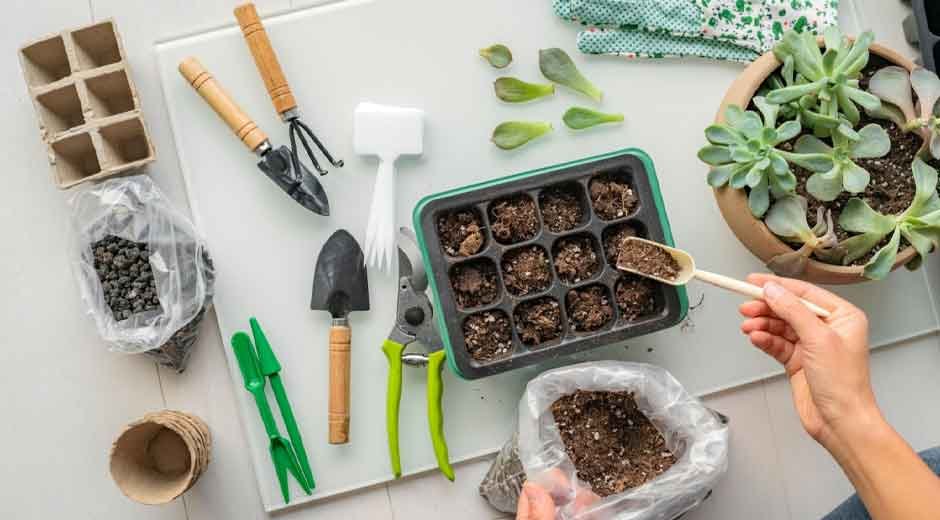
Once your soil is ready, it’s time to plant. Read the instructions on your seed packets carefully—some seeds need to be sown directly into the soil, while others benefit from starting indoors in small pots. Plant seeds at the recommended depth and spacing to give each plant room to grow. Water gently after planting, being careful not to wash away the seeds.
Watering and Care
Consistent care is crucial for a successful garden. Water your plants regularly, but avoid overwatering, which can lead to root rot. Early morning is the best time to water, as it allows the soil to absorb moisture before the heat of the day. Mulching around plants helps retain soil moisture and suppress weeds. As your plants grow, monitor them for signs of pests or disease and take action promptly if problems arise.
Patience and Observation
Gardening requires patience. Seeds may take days or even weeks to sprout, and plants need time to mature. Use this time to observe your garden, noting which plants thrive and which struggle. Keeping a gardening journal can help you track growth, watering schedules, and any challenges you encounter. Over time, you’ll learn what works best for your specific garden conditions.
Harvesting and Enjoying Your Garden
The moment of harvest is one of the most rewarding aspects of gardening. Pick vegetables and herbs when they are ripe to enjoy the freshest flavors. Flowers can be cut for bouquets, bringing the beauty of your garden indoors. Gardening not only provides fresh produce and colorful blooms but also a sense of accomplishment and connection to nature.
Tips for Long-Term Success
To keep your garden thriving year after year, consider these tips:
- Rotate crops each season to prevent soil depletion.
- Keep learning about your plants and experimenting with new varieties.
- Start small to avoid feeling overwhelmed and gradually expand your garden.
- Join gardening communities online or locally to share experiences and get advice.
Final Thoughts
Starting a garden may seem daunting at first, but with the right preparation and care, it can be a fulfilling journey. By choosing the right location, selecting beginner-friendly plants, preparing the soil properly, and committing to consistent care, you can watch your garden flourish from tiny seeds into a vibrant display of life. Gardening teaches patience, responsibility, and a deep appreciation for nature, offering rewards that go far beyond the soil. So grab your seeds, roll up your sleeves, and embark on your journey from seeds to success.



Leave a Reply