Have you ever looked around your home and wondered how all this stuff quietly took over your life? Moving forces that question into the spotlight, often at the worst possible moment. A home relocation is not just a change of address; it is a test of patience, planning, and perspective. With remote work, rising housing costs, and shifting lifestyles pushing more people to move, doing it smoothly matters more than ever.
Start with a Clear Plan, Not Just Good Intentions
A successful move begins long before boxes appear. Many people assume they can “figure it out as they go,” but that approach quickly collapses under pressure. Start by mapping your timeline at least four weeks ahead, noting key tasks like decluttering, packing, and confirming logistics.
Think of your move like a project with deadlines, not a weekend chore. Break tasks into small, manageable steps. For example, dedicate specific days to packing each room. When everything has a place on your schedule, chaos has fewer chances to creep in.
Choose the Right Help Early
One of the most overlooked decisions is whether to move yourself or hire professionals. With gas prices fluctuating and time becoming more valuable, many people now lean toward hiring help. Reaching out to local moving services early can save both money and stress, especially during peak seasons when availability shrinks quickly.
Compare at least three options, read recent reviews, and ask about hidden fees. A reliable service will offer a clear estimate and insurance options. Waiting until the last minute often means settling for what is available instead of what is best, and that rarely ends well.
Declutter Like You Mean It
Moving is the perfect excuse to let go of things you no longer need, yet many people pack everything and deal with it later. That decision usually leads to more clutter in the new space. A practical rule is simple: if you have not used it in a year, question why you are moving it.
Sort items into keep, donate, and discard piles. Donation centers and online marketplaces make it easier than ever to pass items along. In a time when minimalism is trending and storage costs are rising, less really does mean more.
Pack with Strategy, Not Speed
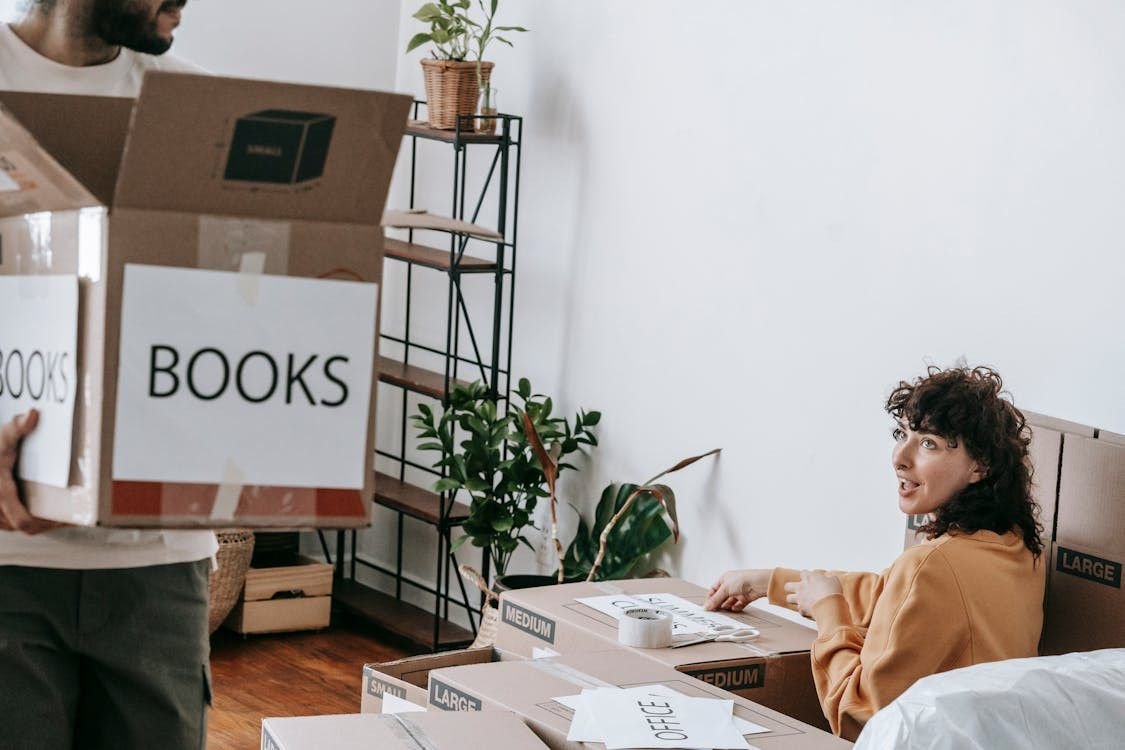
Packing is where many moves start to unravel. Throwing items into boxes might feel efficient in the moment, but it creates confusion later. Use a labeling system that includes both the room and a short description of the contents. This small step saves hours during unpacking.
Keep essential items like documents, chargers, and medications in a separate, clearly marked box. Think of it as your “first night kit.” After a long moving day, not having to dig through boxes for basic needs feels like a small luxury.
Protect What Matters Most
Not all items are equal, and treating them the same can lead to costly mistakes. Fragile items need proper wrapping, and valuable items deserve extra attention. Investing in quality packing materials may feel unnecessary, but it often prevents damage that costs more to fix.
Take photos of electronics before disconnecting them. This simple habit makes reassembly easier. In an age where we rely heavily on devices, getting everything up and running quickly can make your new space feel like home sooner.
Stay Flexible When Things Go Wrong
Even the best plans encounter surprises. Delays, weather issues, or last-minute changes are common. Instead of expecting perfection, build flexibility into your plan. Leave buffer time between tasks so one delay does not derail everything else.
Maintaining a calm mindset helps more than most people realize. Stress can turn minor setbacks into major frustrations. Approaching challenges with a sense of humor, or at least patience, makes the experience far more manageable.
Keep Communication Clear and Simple
If you are moving with family or roommates, communication becomes essential. Misunderstandings about responsibilities can slow everything down. Assign clear roles, whether it is packing certain rooms or managing logistics.
Technology can help here. Shared checklists or group chats keep everyone on the same page. In a world where people often juggle multiple commitments, clarity reduces the risk of tasks slipping through the cracks.
Build a Moving Day Routine That Keeps You Grounded
Moving day has a way of feeling chaotic, even when everything is planned well. Creating a simple routine can bring a sense of order to the process. Start your day early with a checklist that outlines key priorities like supervising loading, doing a final walkthrough, and keeping important documents within reach.
Eat proper meals and stay hydrated, because fatigue can lead to mistakes or unnecessary stress. Keep a small bag with essentials like snacks, phone chargers, and basic tools. As housing trends continue to shift and people move more frequently, treating moving day like a structured event rather than a scramble helps you stay in control and end the day on a calmer note.
Set Up Your New Space with Intention
Arriving at your new home is only half the journey. How you unpack and organize shapes how quickly you settle in. Start with essential areas like the kitchen and bedrooms, then move to less urgent spaces.
Think about how you want the space to function, not just where things used to go. Many people use relocation as a chance to redesign their living habits. With more people working from home, creating functional and comfortable spaces has become a priority rather than a luxury.
Moving is rarely anyone’s favorite activity, yet it reflects larger changes in how people live today. Whether driven by career shifts, economic pressures, or lifestyle choices, relocation is becoming more common. Approaching it with preparation, strategy, and a bit of perspective turns a stressful process into a manageable one, and maybe even a fresh start worth appreciating.




Leave a Reply