
We understand the power of a well-executed event or a welcoming stay. These industries are not just about service; they are about strategy, creativity, and precision. They contribute significantly to economies worldwide, driving jobs and innovation.
This comprehensive guide will take you on a journey through these interconnected fields. We will explore the nuances that set them apart. We’ll uncover the essential skills and diverse career paths available. We’ll also look at how emerging trends are shaping their future.
Join us as we delve into the exciting opportunities in hospitality and event planning. Discover how these dynamic careers create lasting impressions, one experience at a time.
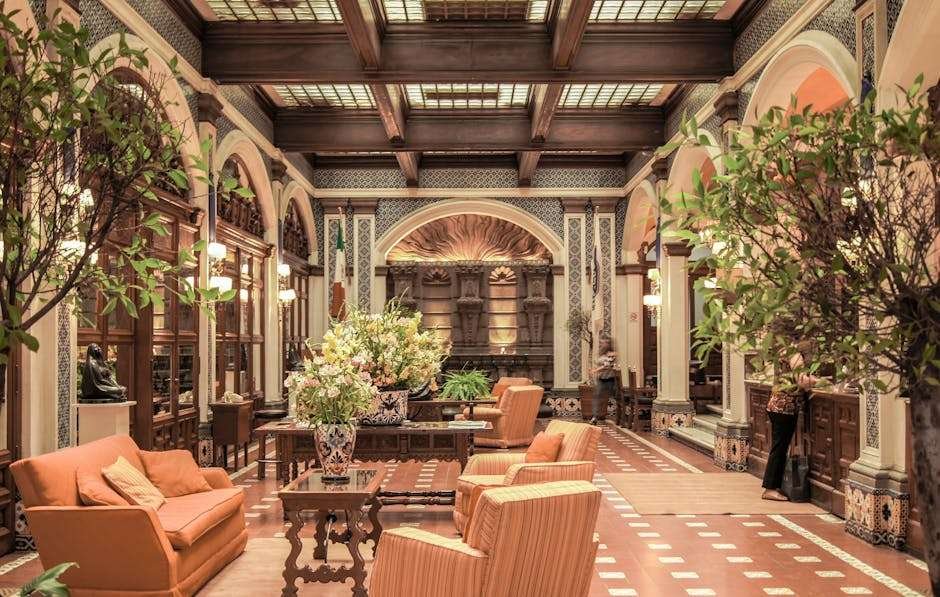
At first glance, hospitality and event planning might seem like two sides of the same coin, and indeed, they are deeply intertwined. However, they possess distinct focuses and operational approaches. Hospitality, in its broadest sense, encompasses the provision of services that cater to guests’ needs, comfort, and enjoyment, primarily within lodging, food service, and tourism. It’s about creating a welcoming environment and managing the day-to-day operations that ensure guest satisfaction. This often involves meticulous operational management, with a focus on efficiency, service standards, and continuous guest care.
Event planning, on the other hand, is the strategic design, coordination, and execution of gatherings, ranging from small meetings to large-scale festivals. While it often takes place in a hospitality setting (such as a hotel or convention center), its core function is project-based and driven by the specific objectives of a given event. This demands a strong emphasis on creative design, transforming a vision into a tangible experience, and strategic planning that meticulously orchestrates every detail from concept to post-event evaluation.
The primary distinction lies in their scope: hotel management typically oversees ongoing operations within a fixed venue, ensuring consistent quality and profitability across various departments. Event management, conversely, is project-oriented, focusing on the temporary creation and execution of a unique experience, often leveraging existing hospitality infrastructure. Both require a blend of business acumen, people skills, and a keen eye for detail, but their daily challenges and long-term goals diverge significantly.
Feature Event Management Hotel Management Primary Focus Project-based, specific event execution Ongoing operations, consistent guest services Scope Temporary, diverse event types (weddings, conferences, concerts) Permanent venue operations (rooms, F&B, facilities) Key Objectives Deliver unique event experience, meet client goals Maximize guest satisfaction, occupancy, and revenue Operational Style Dynamic, creative problem-solving, tight deadlines Structured, standardized procedures, daily oversight Client Interaction Intensive, project-specific with event organizers Continuous, diverse guest base Revenue Model Event fees, sponsorships, ticket sales Room rates, food & beverage sales, ancillary services
Career Paths in Hospitality and Event Planning
Both fields offer a rich tapestry of career opportunities, catering to different interests and skill sets.
In Event Management, roles are diverse and often specialized. You might find yourself as a meeting planner, orchestrating corporate gatherings and conventions, or a wedding planner, crafting dream ceremonies. Other positions include conference manager, festival coordinator, exhibition organizer, or even a catering director, managing the culinary aspects of events. For those with a passion for local culture and unique experiences, exploring resources like a pet-friendly Detroit burger guide could even inspire niche event concepts or support local tourism initiatives that benefit from well-planned events. These roles demand exceptional organizational skills, creativity, and the ability to manage multiple vendors and stakeholders.
Hotel Management offers a more structured progression within a property. Entry-level positions might include front desk agent, concierge, or restaurant supervisor. With experience, one can ascend to roles like assistant general manager, director of sales, director of food and beverage, or ultimately, general manager. Other specialized roles include revenue manager, responsible for optimizing pricing and inventory, or resort coordinator, overseeing diverse guest activities and amenities. These careers emphasize operational efficiency, staff leadership, and maintaining high service standards across all departments of a lodging establishment.
Core Skills for Hospitality and Event Planning Success
Regardless of the specific path chosen, certain core competencies are universally valued and essential for thriving in these dynamic industries.
Communication: Both written and verbal communication skills are paramount. This involves clearly articulating visions to clients, effectively coordinating with teams and vendors, and resolving guest issues with diplomacy.
Multi-tasking & Organization: These industries often require professionals to juggle multiple projects, deadlines, and unforeseen challenges simultaneously. Strong organizational skills are crucial for tracking details and priorities.
Detail-Orientation: The success of an event or a guest’s stay often hinges on the smallest details. From perfectly set tables to seamless check-ins, a keen eye for detail ensures a flawless experience.
Crisis Management: Unexpected issues are inevitable. The ability to remain calm under pressure, quickly assess situations, and implement effective solutions is a hallmark of a successful professional in either field.
Leadership: Whether leading an event team or a hotel department, effective leadership involves motivating staff, delegating tasks efficiently, and fostering a positive work environment.
Technical Proficiency: As technology increasingly shapes these industries, proficiency in event management software, property management systems, digital marketing tools, and even virtual/hybrid event platforms is becoming indispensable.
Economic Impact and Revenue Generation
The hospitality and event planning sectors are not merely about creating memorable moments; they are powerful economic engines. Their contribution to global and local economies is substantial, generating significant revenue and employment opportunities.
For hotels, events are a crucial revenue stream. Research indicates that events can contribute a substantial portion of a property’s total income, often ranging from 20% to 40%, depending on the venue type and its market positioning. This isn’t just about booking event spaces; it extends to ancillary revenue from room nights for attendees, catering services, audio-visual equipment rental, and other on-site amenities like spas or restaurants. Effective operational forecasting and strategic pricing models are vital for maximizing this potential.
The economic impact also translates into career growth and competitive compensation. The U.S. Bureau of Labor Statistics (2024) reports that the median annual wage for meeting, convention, and event planners is approximately $59,440. This figure reflects the value placed on the specialized skills required to orchestrate complex events successfully. The broader leisure and hospitality sector is also recognized as one of the fastest-growing employment sectors in the U.S., underscoring the robust demand for skilled professionals.
Beyond direct financial gains, events significantly enhance a property’s brand reputation and market positioning. A flawlessly executed corporate conference or a stunning wedding can serve as a powerful live advertisement, showcasing the venue’s capabilities and service standards. This positive exposure can lead to increased future bookings and customer loyalty. Event management in hospitality requires a delicate balance between guest satisfaction and operational efficiency, often integrating deeply with a hotel’s overall revenue management strategy to ensure profitability.
Here’s a look at some key revenue streams driven by these industries:
Event Space Rental: Direct income from booking ballrooms, meeting rooms, and other function spaces.
Food & Beverage (F&B) Services: Catering for events, restaurant sales, and in-room dining for hotel guests.
Accommodation Bookings: Room nights for event attendees, tourists, and business travelers.
Ancillary Services: Revenue from spas, fitness centers, gift shops, parking, and transportation services.
Technology & AV Rental: Providing sound systems, projectors, lighting, and technical support for events.
Sponsorships & Partnerships: Collaborating with brands for events, generating additional income.
Ticketing & Registration Fees: For public events, conferences, or workshops.
Experiential Packages: Offering curated experiences, tours, or activity bundles to guests and attendees.
Educational Foundations and Professional Development
To excel in the intricate worlds of hospitality and event planning, a strong educational foundation combined with practical experience is invaluable. Many universities and colleges offer specialized programs designed to equip students with the necessary knowledge and skills.
These programs often culminate in bachelor’s degrees requiring about 120 credits, offering a comprehensive curriculum that covers everything from marketing and business to tourism and specialized event planning techniques. Institutions like MSU Denver highlight their efficiency: 52% of students graduate with exactly 120 credits, demonstrating a focused path to degree completion.
A hallmark of leading programs is the emphasis on hands-on experience. Many require extensive practical hours, often ranging from 900 to 1,000 hours, gained through internships, practicums, and real-world projects before graduation. For instance, some programs mandate two professional practicum experiences totaling 500 hours, ensuring students gain both introductory and supervisory insights. This experiential learning is crucial, as it allows students to apply theoretical knowledge in real-world scenarios, develop critical thinking skills, and build professional networks.
Accreditation plays a significant role in validating the quality of these educational programs. The Council on Accreditation of Parks, Recreation, Tourism, and Related Professions (COAPRT) is one such body, ensuring that curricula meet rigorous industry standards. Programs accredited by such councils, or by the Accreditation Commission for Programs in Hospitality Administration, signify a commitment to excellence and prepare graduates for leadership roles.
Beyond formal degrees, continuous professional development is key. Industry certifications, workshops, and participation in professional organizations keep professionals up to date on the latest trends and best practices. Attending large-scale gatherings like an Event and Hospitality Expo offers unparalleled opportunities to network, explore new technologies, and discover innovative solutions that can elevate one’s career and events. Many university programs also benefit from active advisory boards composed of industry leaders, ensuring that the curriculum remains relevant and responsive to evolving market needs.
Emerging Trends Shaping the Future
The hospitality and event planning industries are in constant evolution, driven by technological advancements, shifting consumer expectations, and a growing global consciousness. Staying ahead of these emerging trends is crucial for professionals seeking to create impactful, sustainable experiences.
Sustainability has moved from a niche concern to a core operational imperative. Clients and guests are increasingly seeking eco-friendly options, pushing planners and hoteliers to adopt green practices. This includes reducing waste, sourcing local and sustainable food, conserving energy and water, and minimizing carbon footprints. Events are now often designed with sustainability certifications in mind, encouraging practices like digital ticketing, reusable decor, and responsible waste management.
Technology Integration continues to revolutionize both fields. The rise of hybrid events, combining in-person and virtual components, has transformed how events are conceptualized and delivered, expanding reach and accessibility. Artificial intelligence (AI) is being used for personalized guest experiences, predictive analytics for event attendance, and automated customer service. Virtual reality (VR) and augmented reality (AR) are enhancing event design, offering virtual venue tours, and creating immersive experiences for attendees. Data analytics provides deeper insights into guest preferences and event success metrics, allowing for continuous improvement.
Experiential Marketing is another powerful trend, focusing on creating memorable, immersive experiences that engage attendees on a deeper emotional level. This goes beyond passive consumption, encouraging active participation and interaction. For hotels, this translates into unique amenity offerings and personalized services that create a distinct brand identity.
Finally, Diversity and Inclusion are increasingly recognized as fundamental pillars. Events and hospitality offerings are being designed to be accessible and welcoming to all, considering a wide range of cultural backgrounds, abilities, and preferences. This holistic approach ensures that experiences are not only memorable but also equitable and representative.
Frequently Asked Questions about Hospitality Careers
Which field offers better work-life balance and long-term stability?
The perception of work-life balance and long-term stability can vary significantly between event management and hotel management, largely depending on the specific role, company culture, and individual expectations.
Hotel Management: Often characterized by more structured operational management, hotel management typically involves shift work, including nights, weekends, and holidays, as hotels operate 24/7. While this can impact traditional work-life balance, it also offers a clear career progression path within a stable organizational structure. Long-term stability is generally strong, as hotels are essential components of the hospitality infrastructure, and experienced managers are always in demand. Career longevity is high for those who thrive in a consistent, service-oriented environment.
Event Management: This field is often associated with high-pressure environments, especially during events. Work hours can be highly irregular, with long days and weekends being common, and travel may be frequent. The project-based nature means intense periods followed by lulls, which some find appealing, while others find it disruptive to balance. Stability can be perceived as less predictable than hotel management, as it often relies on a fluctuating client base and event cycles. However, the demand for skilled event planners remains robust, particularly as diverse event types grow. For those who enjoy dynamic, project-driven work and thrive on creative problem-solving, the rewards can outweigh the challenges.
Neither field inherently offers a “better” work-life balance or stability; it depends on an individual’s personality, resilience, and what they prioritize in their career.
What are the biggest challenges and rewards in these career paths?
Both hospitality and event planning present unique challenges and deeply satisfying rewards.
Challenges:
Client Satisfaction: Meeting and exceeding diverse client expectations can be a constant challenge, requiring adaptability and strong negotiation skills.
Logistics & Coordination: Managing a multitude of vendors, timelines, and resources, especially for large-scale events or complex hotel operations, demands meticulous planning and oversight.
Crisis Management: Unexpected issues, from technical glitches to guest complaints or unforeseen weather events, require quick thinking, problem-solving, and grace under pressure.
Long Hours & Stress: Both fields can involve demanding schedules, particularly during peak seasons or event days, leading to high-stress situations.
Rewards:
Creative Fulfillment: Event planners, in particular, find immense satisfaction in bringing a creative vision to life and seeing their meticulously planned events unfold successfully.
Client Gratitude: The joy of seeing happy clients whose expectations have been exceeded is a powerful motivator.
Networking & Professional Growth: These industries offer unparalleled opportunities to meet diverse people, build extensive professional networks, and continuously learn new skills.
Tangible Impact: Whether it’s a seamless hotel stay or a memorable event, professionals in these fields witness the direct, positive impact of their work on people’s experiences.
How is technology impacting event management and hotel operations?
Technology is a transformative force, reshaping every facet of event management and hotel operations.
In Event Management, technology facilitates everything from initial planning to post-event analysis. Event software streamlines registration, ticketing, attendee management, and communication. Digital marketing tools are essential for promotion and reaching target audiences. The rise of hybrid events has been a game-changer, enabling events to reach a broader global audience by combining in-person and virtual components and requiring sophisticated AV setups and streaming platforms. Virtual reality (VR) and augmented reality (AR) are being used for immersive experiences, virtual venue tours, and interactive presentations. Data analytics helps planners understand attendee behavior, measure ROI, and refine future events.
For Hotel Operations, technology enhances efficiency, guest experience, and revenue generation. Property Management Systems (PMS) integrate reservations, check-ins, housekeeping, and billing. Contactless service, enabled by mobile check-ins, digital keys, and app-based requests, has become increasingly prevalent, driven partly by health concerns and guest convenience. AI-powered chatbots handle routine inquiries, freeing up staff for more complex tasks. Real-time dashboards provide managers with immediate insights into occupancy rates, guest satisfaction scores, and operational performance, allowing for proactive decision-making. Smart room technology, personalized guest preferences, and robust cybersecurity measures are also becoming standard.
Conclusion
The hospitality and event planning industries are vibrant, dynamic, and indispensable to our global economy and social fabric. They are fields that demand a unique blend of strategic thinking, creative flair, and unwavering dedication to service excellence. As we’ve explored, while distinct in their day-to-day operations and primary focus, both career paths are united by the overarching goal of creating memorable experiences.
The future of these industries is undoubtedly shaped by visionary leadership that embraces innovation. From the integration of cutting-edge technology like AI and VR to the unwavering commitment to sustainability and inclusivity, the industry is constantly evolving. Professionals entering these fields today must be equipped with strong foundational knowledge, honed through rigorous educational programs and extensive experiential learning. A global perspective, adaptability, and a passion for people will be key to navigating the exciting challenges and seizing the abundant opportunities.
Whether you’re drawn to the meticulous operational management of a luxury hotel or the exhilarating, project-driven world of event creation, both hospitality and event planning offer deeply rewarding careers. They are professions that not only contribute significantly to revenue generation but, more importantly, enrich lives by crafting unforgettable moments, one guest and one event at a time.



Leave a Reply