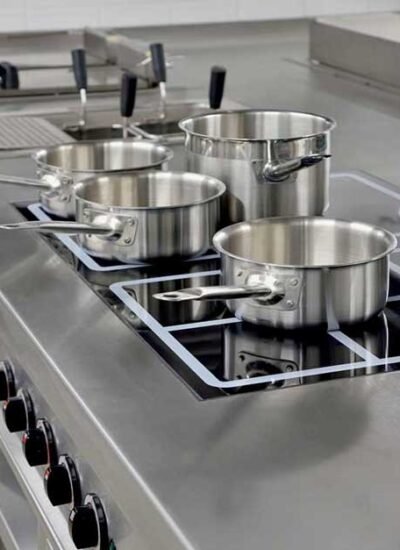
When designing an assisted living facility kitchen, it’s essential to strike a balance between comfort, safety, and functionality. These spaces are more than just rooms for preparing meals; they serve as hubs for nourishment, interaction, and community engagement. By thoughtfully designing kitchens in assisted living facilities, operators can ensure they meet residents’ needs while adhering to strict safety and accessibility standards.
Understanding the Unique Needs of Assisted Living Facility Kitchens
Assisted living facilities cater to a wide range of residents, often with diverse dietary needs, physical limitations, and preferences. The kitchen’s design must address:
- Accessibility:Ensuring that the kitchen is user-friendly for staff and, in some cases, residents who may assist with meal preparation.
- Safety:Minimizing hazards through thoughtful layout, equipment choices, and materials.
- Efficiency:Supporting high-volume meal preparation with ease and speed.
- Comfort:Creating a welcoming and warm atmosphere that fosters community and enjoyment.
Designing for Accessibility
The kitchen should meet the guidelines established by the Americans with Disabilities Act (ADA) to accommodate individuals with mobility challenges. Some key considerations include:
- Countertops and Workstations:Install countertops at varying heights to accommodate wheelchair users or staff with differing physical capabilities.
- Clear Pathways:Maintain at least 36 inches of clearance between counters for wheelchair accessibility, expanding to 60 inches for full turnaround space.
- Handles and Controls:Use lever-style handles or touch-activated controls on appliances for ease of use.
- Lighting:Incorporate ample lighting to enhance visibility, particularly for individuals with visual impairments.
Prioritizing Safety in Design
An assisted living facility kitchen must be designed to mitigate potential risks for both staff and residents. Safety-focused design elements include:
- Non-Slip Flooring:Use slip-resistant materials like rubber or textured vinyl to prevent falls, especially in areas prone to spills.
- Rounded Edges:Opt for rounded countertops and cabinet edges to reduce the risk of injury.
- Fire Safety:Install fire suppression systems, smoke detectors, and easily accessible fire extinguishers. Use induction cooktops to reduce the risk of burns or fire from open flames.
- Ventilation:Ensure proper ventilation to eliminate smoke, odors, and grease build-up.
- Accessible Emergency Stops:Position emergency shut-off controls for stoves and other high-powered appliances in easy-to-reach locations.
Choosing Durable and Easy-to-Clean Materials
Kitchens in assisted living facilities endure heavy use and must be designed for durability and hygiene. Material choices should emphasize longevity, cleanliness, and aesthetics:
- Stainless Steel Surfaces:Ideal for counters, backsplashes, and appliances, stainless steel is durable, easy to sanitize, and resistant to stains and corrosion.
- Quartz Countertops:Non-porous and highly resistant to scratches and stains, quartz offers a stylish yet practical alternative.
- Epoxy Flooring:Seamless and highly resistant to wear, epoxy flooring is an excellent choice for high-traffic kitchens.
- Washable Paint or Tile Walls:Use materials that can withstand frequent cleaning to maintain a sanitary environment.
Optimizing the Kitchen Layout
A well-planned layout enhances efficiency, safety, and functionality. The kitchen work triangle (connecting the sink, stove, and refrigerator) is a common design principle that ensures smooth workflow. For assisted living facilities, consider:
- Open Layouts:Minimize barriers and maintain open sightlines for better communication and monitoring.
- Separate Zones:Create dedicated zones for food preparation, cooking, serving, and dishwashing to avoid cross-contamination and improve efficiency.
- Ample Storage:Include plenty of cabinets, pull-out drawers, and pantry space to store food and supplies. Labeled compartments make organization easy.
Equipping the Kitchen with the Right Appliances
The right appliances are critical to the functionality of an assisted living facility kitchen. Choose commercial-grade equipment that can withstand daily use while meeting the specific needs of the residents.
- Refrigeration:Include large-capacity refrigerators and freezers to store perishable foods safely. Consider units with easy-to-open doors and adjustable shelving.
- Cooking Equipment:Use combination ovens that can bake, roast, and steam food to accommodate various dietary preferences. Induction stoves are safer and more energy-efficient than traditional options.
- Dishwashers:Invest in high-speed, undercounter commercial dishwasher to handle large volumes of dishes while conserving water and electricity.
- Blenders and Food Processors:These appliances are vital for preparing pureed or textured meals for residents with specific dietary requirements.
- Automated Systems:To streamline kitchen operations, consider smart technology, such as automated temperature controls and inventory management systems.
Incorporating Comfort and Aesthetic Appeal
While functionality and safety are paramount, comfort and aesthetics also play an important role in creating an inviting space.
- Warm Colors:Use soft, neutral colors to promote a calming and welcoming atmosphere.
- Seating Areas:Incorporate seating for residents and staff to encourage socialization. Dining areas close to the kitchen can foster a sense of community.
- Natural Light:Maximize natural light through windows or skylights or use warm LED lighting to create a pleasant ambiance.
- Noise Control:Use sound-absorbing materials for flooring, walls, and ceilings to minimize noise and create a more peaceful environment.
Meeting Nutritional Needs
Assisted living facilities cater to a range of dietary preferences and restrictions, such as low-sodium, diabetic-friendly, or gluten-free options. The kitchen should be designed to facilitate this level of customization.
- Separate Prep Areas:Designate specific areas for allergen-free or specialized meal preparation.
- Bulk Storage:Include space for storing bulk quantities of commonly used ingredients to ensure the kitchen is always well-stocked.
- Technology Integration:Use meal-planning software to ensure residents’ nutritional needs are met efficiently.
Ensuring Compliance with Health and Safety Standards
Kitchens in assisted living facilities must adhere to stringent health and safety standards, including local building codes and food safety regulations. Ensure compliance by:
- Regular Inspections:Schedule routine inspections to maintain compliance with health codes and identify areas for improvement.
- Staff Training:Provide ongoing training for kitchen staff to ensure proper food handling, equipment usage, and hygiene practices.
- Documentation:Keep detailed records of cleaning schedules, maintenance, and food safety protocols.
Engaging Residents in the Kitchen
Engaging residents in kitchen-related activities can enhance their sense of independence and community. Some ideas include:
- Cooking Classes:Offer simple cooking or baking classes tailored to residents’ abilities.
- Resident Input:Gather feedback from residents on menu choices and kitchen amenities to ensure their preferences are considered.
- Interactive Meal Prep:Design areas where residents can participate in meal preparation under staff supervision.
Planning for Future Needs
As residents’ needs evolve, the kitchen should be adaptable to accommodate changes in technology, dietary trends, and resident demographics.
- Flexible Design:Incorporate modular elements that can be easily reconfigured or upgraded.
- Energy Efficiency:Use energy-efficient appliances and fixtures to reduce costs and environmental impact.
- Scalability:Plan for potential expansion to meet future demand without disrupting daily operations.
Conclusion
Designing an assisted living facility kitchen requires careful consideration of accessibility, safety, functionality, and aesthetics. By focusing on these key areas, facility operators can create a space that not only meets residents’ dietary and social needs but also enhances their quality of life.
Whether you are building a new facility or renovating an existing kitchen, the goal should always be to provide a comfortable, efficient, and safe environment for both residents and staff. Thoughtful design, paired with high-quality materials and equipment, will ensure your kitchen remains a vital and cherished part of the community for years to come.



Leave a Reply