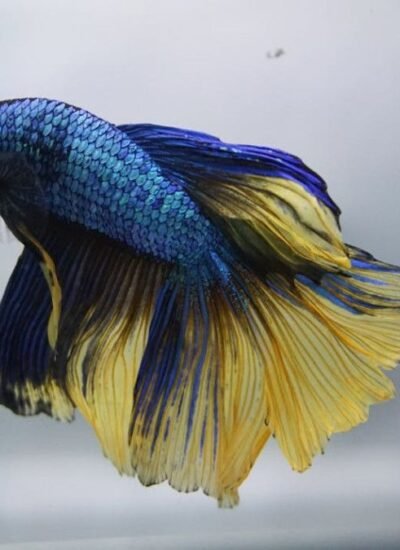
Betta fish are often associated with small tanks, bright colours, and decorative aquariums. However, their natural environment is very different from what most people imagine. In the wild, Betta fish live in conditions that are far less controlled, yet surprisingly well-suited to their needs.
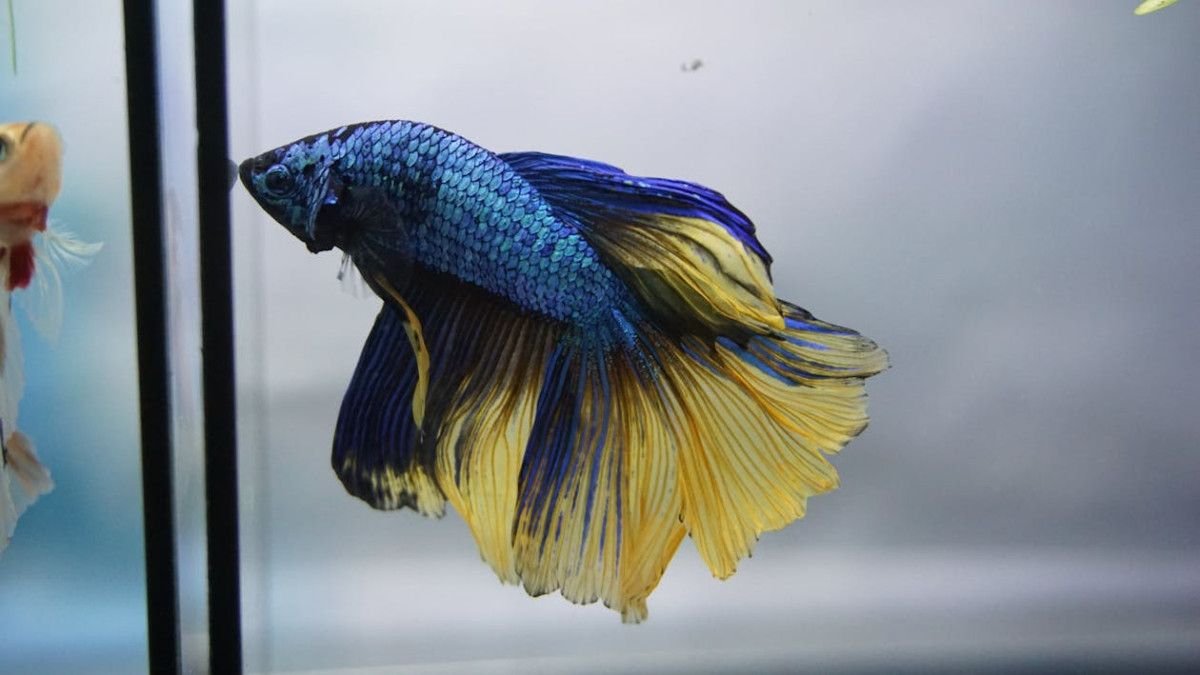
Understanding how Betta fish live outside of captivity helps explain many of their behaviours, physical traits, and survival instincts. It also provides a clearer perspective on how they should be cared for in home aquariums.
While domesticated Bettas, particularly Betta splendens, have been bred for appearance, Betta fish in wild still reflect the environments they evolved in. Looking at their natural habitat offers valuable insight into how these fish truly live.
Where Betta Fish Are Found in the Wild
Betta fish are native to parts of Southeast Asia, including Thailand, Cambodia, Vietnam, and Malaysia.
In these regions, they are commonly found in shallow freshwater environments such as rice paddies, swamps, marshes, drainage ditches, and slow-moving streams. Unlike clear, open water, these habitats are often dense with vegetation and organic material.
The water in these areas is typically warm and still, with low oxygen levels. It may also appear darker due to decomposing plant matter, creating what is known as blackwater conditions.
These environments may not look ideal at first glance, but they provide everything Betta fish need to survive.
How Betta Fish Adapt to Low-Oxygen Environments
One of the most important features of Betta fish is their ability to survive in water with low oxygen levels.
They have a specialised structure known as the labyrinth organ, which allows them to breathe air directly from the surface. This adaptation is essential in their natural habitat, where oxygen levels in the water can be quite low.
Instead of relying entirely on their gills, Betta fish regularly swim to the surface to take in air. This behaviour is completely normal and is one of the reasons they can thrive in environments where other fish might struggle.
This also explains why Bettas do not require strong water flow or heavy aeration, unlike many other aquarium fish.
Natural Diet and Feeding Behaviour
In the wild, Betta fish are carnivorous and feed on a variety of small organisms.
Their diet typically includes insects, insect larvae, small crustaceans, and other tiny aquatic creatures. They often hunt near the water surface, taking advantage of insects that land or move across it.
This feeding behaviour explains why Betta fish in captivity prefer protein-rich diets and may react to movement at the surface of the tank.
Unlike in aquariums, where food is provided regularly, wild Bettas rely on instinct and opportunity. This makes their feeding patterns less predictable compared to domesticated fish.
Behaviour and Territorial Nature
Betta fish are known for their territorial behaviour, especially males.
In the wild, this behaviour is influenced by the environment. Since many natural habitats are small and resource-limited, male Bettas often defend their space to protect access to food and breeding areas.
However, aggression levels can vary. In larger or more densely planted environments, there is more space to avoid conflict, which can reduce direct aggression.
This is very different from small aquarium setups, where limited space increases encounters and makes aggression more noticeable.
Understanding this helps explain why tank size and layout are so important when keeping Bettas in captivity.
Breeding in Natural Conditions
Betta fish have fascinating breeding behaviours that are closely tied to their environment.
Many species, including Betta splendens, are bubble nest builders. The male creates a nest of bubbles at the water’s surface, often among floating plants or sheltered areas. The eggs are placed in this nest and guarded until they hatch.
Other species use a different strategy known as mouthbrooding, where a parent carries the eggs in its mouth for protection.
Both methods are designed to improve survival rates in environments where conditions can change quickly.
The Role of Vegetation and Shelter
Plants and natural debris are essential parts of a Betta fish’s habitat.
They provide hiding places, reduce stress, and create natural boundaries within the environment. This allows fish to avoid constant confrontation and gives them areas to rest.
Floating plants are particularly important, as they provide cover near the surface where Bettas spend much of their time.
In addition to shelter, vegetation supports the ecosystem by hosting small organisms that Bettas feed on. This balance between protection and food availability is key to their survival.
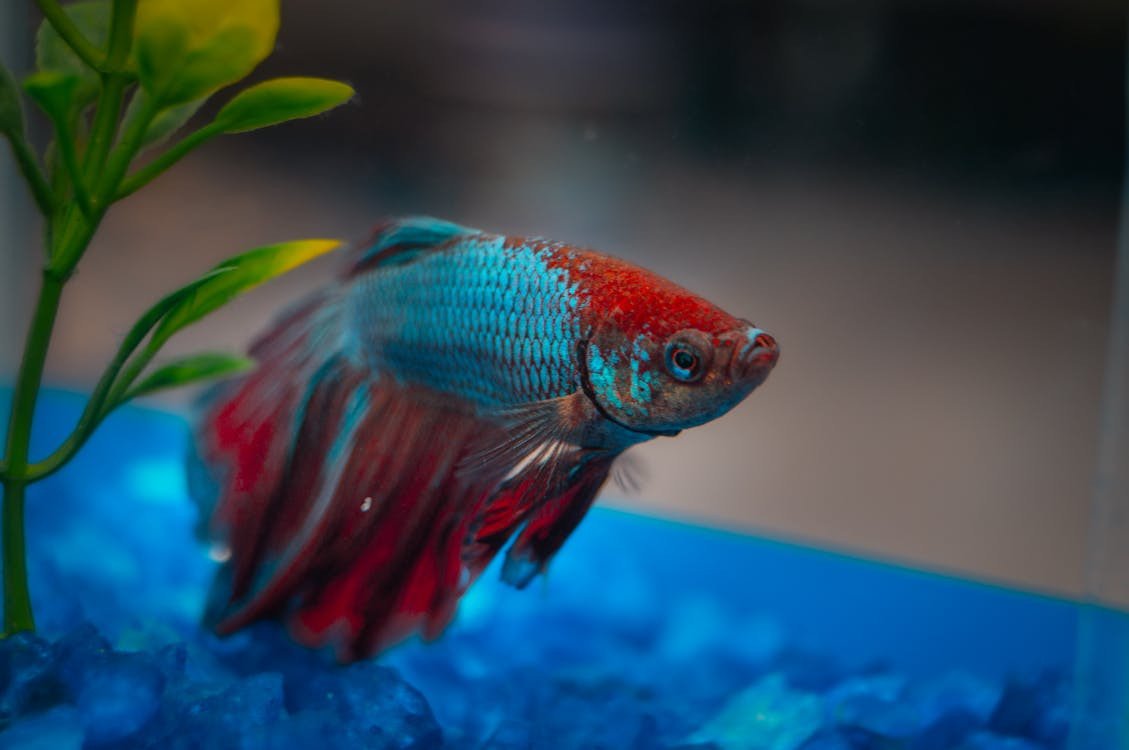
How Wild Conditions Differ from Aquarium Life
The difference between wild and aquarium environments is significant.
In the wild, Betta fish face changing conditions, fluctuating water levels, and natural predators. They rely on instinct and adaptation to survive.
In aquariums, conditions are stable and controlled. Water quality, temperature, and feeding are managed, removing many of the challenges found in nature.
However, this also means some natural behaviours may not be fully expressed in captivity.
Understanding these differences helps fish keepers create environments that better reflect the natural needs of Bettas.
Why Understanding Wild Betta Fish Matters
Learning how Betta fish live in the wild provides valuable insight into their care.
It explains why they prefer warm, calm water, why they need access to the surface, and why they benefit from plants and hiding spaces.
It also helps correct common misconceptions. While Bettas can survive in harsh conditions, it does not mean those conditions are ideal for long-term health.
By understanding their natural habitat, fish keepers can make better decisions when setting up and maintaining an aquarium.
Conclusion
Betta fish in the wild live in environments that are very different from the typical aquarium, yet these conditions have shaped how they behave and survive.
From shallow, plant-filled waters to low-oxygen environments, their adaptations allow them to thrive where many other fish cannot. Their feeding habits, breeding behaviour, and territorial nature all reflect these surroundings.
Understanding this natural lifestyle provides a clearer picture of what Betta fish truly need. It also helps bridge the gap between wild conditions and aquarium care.
For anyone keeping Betta fish, this knowledge can make a meaningful difference in how they are cared for and appreciated.




Leave a Reply