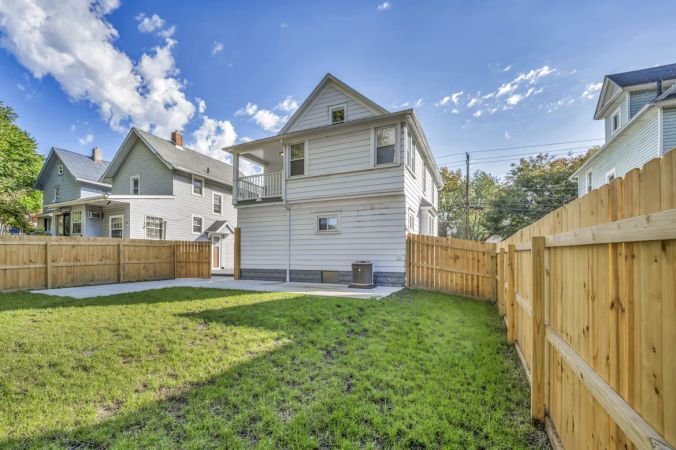
A private backyard morning retreat gives you a comfortable place to enjoy coffee, breakfast or a few quiet minutes before the day fills up. Even a modest yard can support this kind of space when the layout accounts for sunlight, seating and views from nearby properties.
Start by observing the yard on two or three mornings. Note where the sun falls, which areas pick up street noise and how people naturally move between the house and garden. Those details will guide every choice that follows.
Carving Out a Quiet Patio Zone
Choose a spot that feels connected to the house without sitting directly in a busy walkway. A corner near the kitchen works well for carrying out breakfast, while an area beside a shed or garden wall may offer more shelter. These backyard retreat ideas show how a defined outdoor structure can create room for solitude and reflection.
Mark a potential footprint with string, then place two temporary chairs inside it. A 6-by-8-foot area can usually hold a small table and a pair of seats. Test the arrangement during your normal morning routine before installing permanent flooring.
Pavers, gravel and decking all provide a stable surface. For smaller comfort upgrades that don’t require major construction, these design moves for added comfort can also help shape your plans.
Essential Elements for Morning Comfort
Begin with seating that supports how you expect to use the retreat. An upright chair works for breakfast or journaling, while a deeper lounge chair suits slower weekend mornings. Add a table large enough for a mug, plate and book without crowding the space.
Morning sun can feel pleasant in cool weather and become uncomfortable during warmer months. A patio umbrella, retractable shade or covered pergola gives you more control. These relaxing outdoor retreat tips offer practical inspiration for combining shade, furniture and natural features.
Keep cushions in a weather-resistant storage bench so they stay dry and close at hand. If you plan to use the area before sunrise, choose a low, warm outdoor light aimed toward the ground. This provides useful visibility without shining into neighboring windows.
Establishing Solid Privacy Boundaries
Stand or sit where your chair will go and identify the actual sightlines into the space. You may need screening along only one side, especially if the house or an existing wall already blocks other views. A targeted barrier usually preserves more daylight and airflow than enclosing the entire patio.
Fencing creates a clear, durable boundary when the retreat faces an adjacent property or public walkway. Homeowners in Palm Beach, Martin and Broward counties can consult a local fence company about suitable materials, installation and property enclosure options. Before work begins, confirm property lines and check local height rules or community requirements.
For a lighter solution, consider a slatted panel or outdoor curtain. Leave small openings where appropriate so breezes can pass through, and position the screen far enough from the chairs to prevent the area from feeling cramped.
Greenery That Complements Your Space
Use plants to soften structural boundaries and make the retreat feel settled into the yard. Select varieties suited to the site’s daily light, local climate and available planting space. A shade-loving fern will struggle against a hot west-facing wall, while many sun-loving herbs need several hours of direct light.
Layer plants by height. Place taller shrubs or container-grown grasses toward the outer edge, then add medium foliage and low herbs near the seating area. Mint, basil and rosemary can bring fragrance close to the breakfast table, though fast-spreading varieties are easier to control in pots.
Leave enough room for mature growth and keep thorny or bee-attracting plants away from narrow paths and chairs. Containers with drainage holes are helpful in compact yards because you can rearrange them as the sun shifts through the seasons.
Once the space is ready, use it at the same time for several mornings. A chair that needs a slight turn or a planter that blocks the early light will quickly become obvious. Those small adjustments are what turn a planned patio into a retreat you’ll genuinely use.
Related Posts





I love having dance parties in the kitchen with my family, traveling, and mason jar creations.
Follow on Pinterest