Key Takeaways
- Match your boat to the Missouri waterways you visit most often.
- Consider pontoons and deep-v boats for larger lakes.
- Choose kayaks, canoes, or aluminum boats for rivers and smaller bodies of water.
- Prioritize passenger capacity, comfort, and storage for family outings.
- Compare hull designs, motors, fuel use, and maintenance costs.
- Check local boating rules, launch requirements, and motor restrictions.
- Prepare safety equipment and check weather and water conditions before each trip.
Missouri boaters have an unusually broad choice of water to explore, from busy reservoir coves and open lake channels to Ozark float streams, quiet farm ponds, and smaller public lakes. That variety makes the right boat a personal decision, not a one-size-fits-all purchase. Reviewing used boats for sale can be a practical starting point when you already know whether your weekends will center on fishing, family cruising, paddling, or a mix of all three. The best setup should fit the water you use most often, the number of people you usually bring, and the realities of towing, launching, storing, and maintaining it. A roomy pontoon may be ideal for a sunny afternoon near Warsaw or the Lake of the Ozarks. At the same time, a compact aluminum boat or kayak may be far more useful for a narrow river access or a small conservation-area lake.
Why Missouri Waterways Require Different Boats
Missouri’s larger reservoirs create a very different boating environment than its rivers. Lake of the Ozarks, Table Rock Lake, Stockton Lake, Truman Lake, and other major destinations offer broad water, changing wind, recreational traffic, and longer runs between coves or marinas. The state’s large lakes and boating destinations illustrate how much local conditions can change from one region to another. A boat that feels composed on open water can be awkward in a shallow creek arm, and a lightweight craft that is easy to carry to the water may not provide the comfort or capacity a full family day requires. Start with the destination, then work backward to hull shape, size, motor, seating, and storage.
Best Boats for Large Missouri Lakes
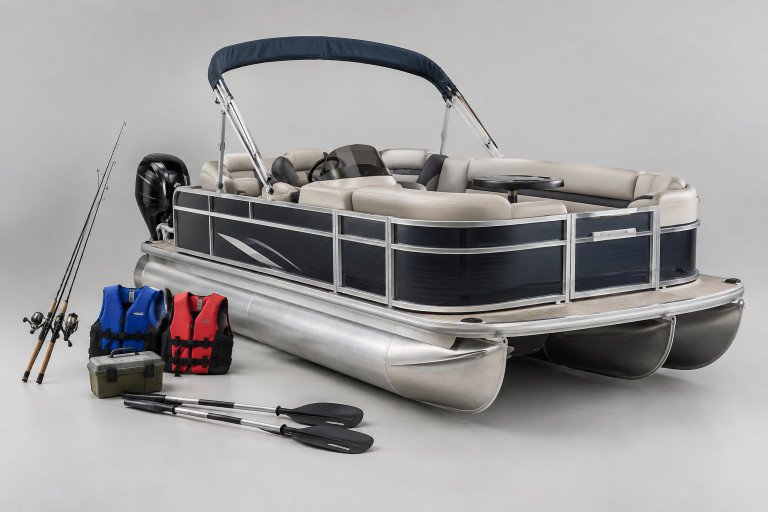
For regular outings on larger Missouri lakes, pontoons, deck boats, deep-V boats, and certain fishing boats are often sensible choices. Many shoppers comparing options from boat dealers in Missouri will find that the most useful boat is the one that balances open-water comfort with the activities their household actually enjoys. Pontoons stand out for relaxed cruising, conversation, shade, and carrying coolers or lake-day supplies. Deck boats often provide generous seating with a more boat-like ride and handling feel. Deep-V hulls are designed to cut through chop more effectively than flatter hulls, which can make longer crossings more comfortable when wind or boat wakes build.
On a large reservoir, higher sides, adequate fuel capacity, secure storage, and a layout that keeps passengers seated comfortably can matter as much as top speed. Buyers should also consider whether their preferred ramp and tow vehicle are suitable for a larger trailer.
Best Boats for Missouri Rivers
Missouri rivers reward a different approach. Shallow water, gravel bars, current, fallen limbs, changing water levels, and carry-in access points can favor canoes, kayaks, jon boats, and smaller aluminum boats. Low draft and manageable weight are especially valuable when the trip involves more than backing down a paved ramp.
Questions to Ask Before Choosing a River Boat
- How shallow are the routes you plan to use?
- Will you need to carry the boat from parking to the water?
- Are there tight turns, low branches, or narrow access points?
- Will current, changing weather, or water temperature affect the trip?
- Is there room for passengers, paddles, anchor gear, and safety equipment?
For float trips, paddlers should choose water that matches their experience and be prepared for a possible capsize. Missouri’s river and lake paddling guidance also emphasizes wearing a properly fitted life jacket and checking weather and water conditions before heading out.
Best Boats for Fishing
The best fishing boat depends on the water and the style of fishing. A bass boat can suit anglers who prioritize casting decks, organized tackle storage, live wells, and quick travel across a lake. An aluminum fishing boat may be easier to tow, launch, and use around shallow coves or smaller lakes. A kayak can be an appealing choice for anglers who want quiet access and a simple, low-storage setup. Look beyond speed. Useful fishing features include stable casting space, rod storage, comfortable seating, navigation or fish-finding electronics, a trolling motor, and enough room to move safely. A layout that supports a full day on the water will generally add more value than performance features that rarely match the way you fish.
Best Boats for Family Outings
Families often benefit from pontoons and deck boats because they create space for passengers, towels, snacks, life jackets, and fishing gear without making every movement feel crowded. Wide walkways, easy boarding, shade tops, protected seating, and accessible storage all make a difference when children or guests are aboard. Capacity deserves close attention. Plan around the usual group, plus the equipment that comes with them. A boat that seems spacious for two adults may feel very different with several passengers, a cooler, water toys, and personal items on board.
Best Boats for Small Lakes and Ponds
Small lakes and ponds often favor compact, simple craft such as kayaks, canoes, small aluminum boats, and electric-motor boats. They are easier to transport, require less storage space, and can be more practical for launches that are basic or for quiet boating as part of the appeal. Always verify the rules for the specific lake before launching. Motor restrictions, horsepower limits, ramp conditions, and permitted craft can vary by property and season. A boat that is perfect for one Missouri lake may not be allowed or convenient at another.
Boat Features That Matter Most
The comparison below connects common boat designs to typical Missouri uses.
| Boat Type | Strong Fit | Main Advantage |
| Pontoon | Family lake outings | Seating and stability |
| Deep-v boat | Open-water cruising | Smoother ride in chop |
| Aluminum boat | Fishing and smaller waters | Lightweight versatility |
| Kayak or canoe | Rivers and ponds | Easy access and quiet travel |
Hull, Motor, and Storage
Flat-bottom boats can be useful in shallow, calm water, while modified-V and deep-V hulls are often better suited to rougher lake conditions. Gas outboards provide more power and range, while electric motors can be quiet and practical on restricted waters. Finally, confirm that the boat, trailer, and cover fit your garage, driveway, or storage plan before buying.
Safety, Rules, and Launch Planning
Boat selection and safety planning should go together. Leave room for life jackets, required equipment, an anchor, dock lines, lights when applicable, and a way to communicate if conditions change. Before departure, inspect the drain plug, battery, fuel, trailer connections, and weather forecast. At the ramp, prepare the boat before entering the launch lane so other boaters can move efficiently.
A Simple Boat-Buying Checklist
- Identify the Missouri waterway you will use most often.
- Choose your primary activity, such as fishing, cruising, watersports, or paddling.
- Set a realistic passenger count and gear load.
- Check towing capacity, trailer access, and storage space.
- Compare fuel, maintenance, insurance, registration, and storage costs.
- Walk through the layout and confirm it feels safe and usable.
- Review local rules before committing to a boat-and-motor combination.
Final Thoughts
No single boat is best for every Missouri waterway, so choosing the right one starts with understanding where you plan to go and how you expect to use it. Consider whether you will spend most of your time on large lakes, smaller fishing areas, rivers, or quieter stretches of water, as each setting may call for different boat sizes, designs, and equipment. Your preferred activities also matter, whether you enjoy fishing, watersports, cruising, swimming, or relaxing with family and friends. Think about how many people will usually come aboard, how much storage space you need, and whether the boat is manageable for your experience level and available towing or storage arrangements. Before making a purchase, compare maintenance requirements, fuel consumption, operating costs, safety equipment, and applicable boating rules. Taking these practical details into account can help you select a boat that fits your lifestyle rather than simply choosing the largest or most feature-packed option. A thoughtful match between the boat, the destination, the people aboard, and the activities you enjoy can make weekends on the water safer, simpler, and more rewarding throughout 2026.
Related Posts



I love having dance parties in the kitchen with my family, traveling, and mason jar creations.
Follow on Pinterest