DIY projects can leave your hands paying the price long after the work is finished. Repeated gripping, harsh materials, wood dust, and cleaning chemicals can cause painful cracks, nail damage, and lingering discomfort that makes everyday tasks harder. Learn how to protect your hands before, during, and after home improvement projects so you can work confidently without sacrificing long-term hand health.
Harsh Materials and Micro-Trauma
Sanding, scraping, and lifting place repeated stress on the hands. Small areas of skin damage, sometimes called micro-trauma, may develop from friction even when there’s no visible cut. Wood dust and cleaning products can also strip protective oils from your skin, leading to redness or painful cracks around the fingertips.
Your nails face similar pressure. Using a fingernail to lift tape or pry at an edge can cause splitting or separation from the nail bed. Stop if you notice tingling, swelling, or a weaker grip. Wash off residue with mild soap, dry your hands carefully, and apply a fragrance-free moisturizer. Persistent numbness or increasing pain needs medical attention.
Protective Measures Before You Start
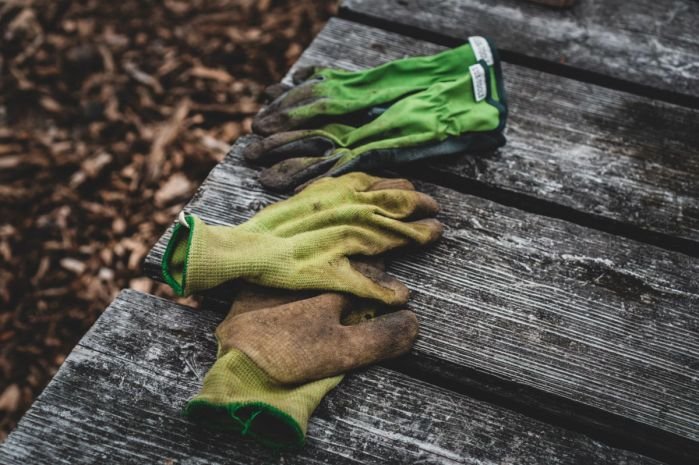
Remove rings and bracelets before beginning work because swelling can make jewelry difficult to take off. Choose gloves that fit closely without restricting finger movement, then match the material to the task. General work gloves may suit lifting and carrying, while chemical-resistant options are needed for products that can irritate skin. Review the product label before use.
A wider set of DIY safety precautions can help you prepare the workspace and reduce avoidable injuries. Keep your nails short, cover existing cuts, and use tools instead of your fingertips to scrape or pry. If rough work has already caused cosmetic nail damage, professional nail services can provide appropriate grooming and care once any open skin has healed.
When to Rely on Professional Support
Some projects create more strain than their size suggests. Repeatedly carrying heavy materials, gripping vibrating equipment, or working overhead can overload the fingers, wrists, and forearms. Hire qualified help when the job requires unfamiliar equipment, prolonged heavy lifting, or work in an unstable position. Guidance about common home improvement risks can also help you recognize tasks that exceed your experience.
Seek medical care promptly if a finger looks misshapen, bleeding won’t stop, or you lose normal movement or sensation. A salon professional can address surface-level grooming concerns, but swelling, infection, deep cracks, and joint pain belong with a healthcare provider. Separating cosmetic care from medical treatment helps you get the right support without delay.
Long-Term Habits for Hand Health
Build recovery time into each project. Take a brief break every 30 to 45 minutes, loosen your grip, and gently open and close your hands. Rotate tasks when possible so the same muscles aren’t working for hours. Tools with padded, properly sized handles can also reduce the force needed for repetitive jobs.
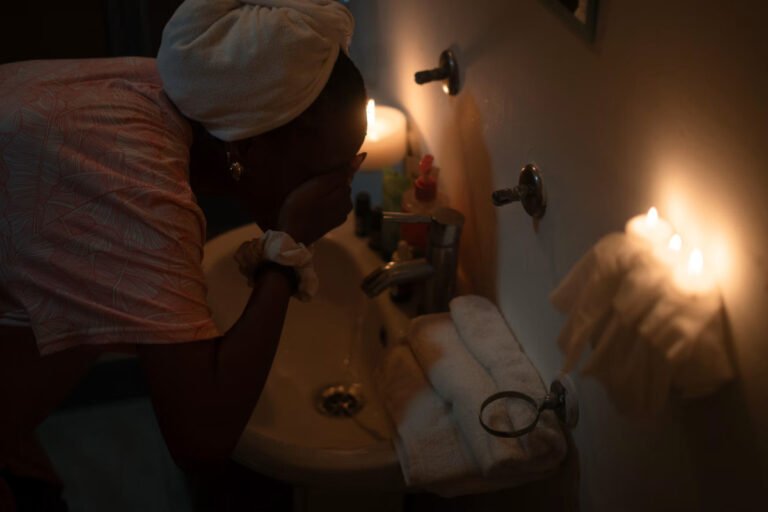
After cleanup, wash your hands with lukewarm water and apply moisturizer while the skin is slightly damp. Avoid picking at rough cuticles or torn nails, since that can deepen the damage. Pay attention to daily routines outside the workshop too. These everyday joint-pain habits may compound the strain caused by a demanding project.
Give soreness time to settle before starting another hand-intensive task. If your grip still feels weak several days later or discomfort keeps returning, schedule an evaluation instead of treating it as a normal part of DIY work. Your next project will be easier when your hands have fully recovered.
Related Posts





I love having dance parties in the kitchen with my family, traveling, and mason jar creations.
Follow on Pinterest