Ever stared at your bathroom floor and wondered, “Why does my tile look unfinished?” I sure did—until I learned about grout. The first time I installed tile, I naively thought the job was done once the tiles were in place. Nope. The gaps looked odd, dirt started collecting, and the whole thing just seemed…off. That’s when I asked, what is grout and why does everyone keep talking about it?
The Basics: What Is Grout, Really?
Let’s keep it simple. Grout is that paste-like stuff you smear between tiles. It’s usually a blend of cement, water, and sometimes sand or fancy additives. If you skip it, your tiles will wiggle, water will sneak underneath, and you’ll probably regret ever picking up a trowel. I learned that lesson the hard way—trust me.
Why Grout Matters (More Than You Think)
I used to think grout was just “filler” until someone pointed out how it locks everything in place. Now, every time I mop, I’m grateful those lines keep water from seeping under my tiles. If you’re still asking what is grout, it’s basically the unsung hero of any tile job.
Here’s what really made a difference for me:
1. Grout keeps out water, crumbs, and dirt—without it, your floor is doomed.
2. It turns a bunch of tiles into a real floor or wall. Seriously, it looks SO much better.
3. Choosing a grout color isn’t just about style—it hides (or shows) every bit of dirt and every coffee spill.
Types of Grout: Which Kind Do You Need?
Sanded grout: Used for wider joints. I used this stuff on my kitchen floor after realizing my tiles weren’t lined up perfectly (oops).
Unsanded grout: Smoother, for tight spaces—great for bathroom walls or those mosaic kitchen backsplashes.
Epoxy grout: Super durable and waterproof, but honestly, it’s a pain to work with if you’re a rookie.
If you walk into a hardware store, you’ll see a whole aisle of grout and wonder if it matters. It does! The difference between sanded and unsanded, or cement-based and epoxy, can change how your project turns out.
How to Apply (and Actually Live With) Grout
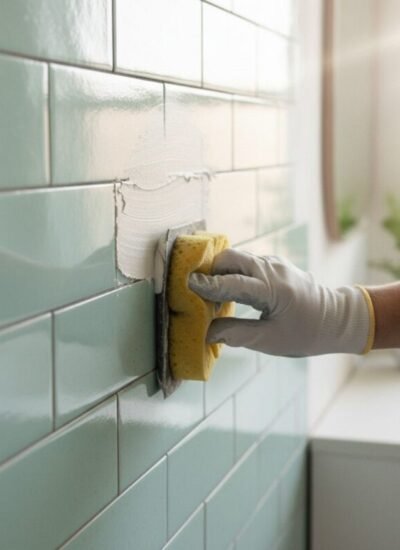
Here’s the honest truth: grouting is messy, but kind of fun. Just smoosh it in, wipe up what you can before it dries, and then go back with a damp sponge. The first time, I waited too long and had to chisel dried grout off my tiles. Never again.
Don’t forget to seal it—especially in places that get wet. I skipped sealing once and ended up scrubbing mildew out of my shower for weeks. Lesson learned.
- Where Grout Pops Up
- Bathroom and kitchen floors
- Showers and tub surrounds
- Backsplashes
- Outdoor patio tiles
- Color and Style
White grout looks classic but gets dirty fast. Dark grout hides stains but is more dramatic. I went with gray last time—best of both worlds.
FAQs
Q1: Is it possible to change the color of grout later?A1: Sure! There are grout stains and pens for that, and I’ve used them on an old backsplash—worked like a charm.
Q2: How long does grout actually last?A2: If you take care of it, years! But if you see cracks, it’s time for a touch-up.
Q3: Is grout waterproof?A3: Not by itself. You’ll want to seal it, especially in bathrooms or kitchens.
Q4: Why does grout crack?A4: Usually from movement or moisture. I had a cracked entryway grout after a winter of muddy boots and salt.
Q5: Do I have to seal grout?A5: Most types, yes. Epoxy is the exception—it’s basically waterproof on its own.
Conclusion
I’ll be honest: I used to think grout was just a boring extra step. Now I know it’s the secret to keeping tile looking good (and staying put). If you’re wondering what is grout, just remember—it’s the little thing that makes the big difference. Pick the right one, seal it, and your tile will thank you for years.



Leave a Reply