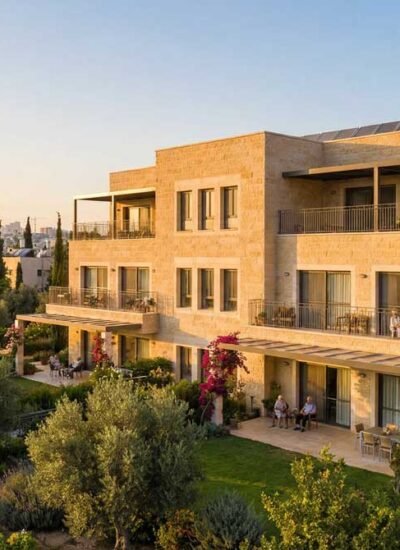
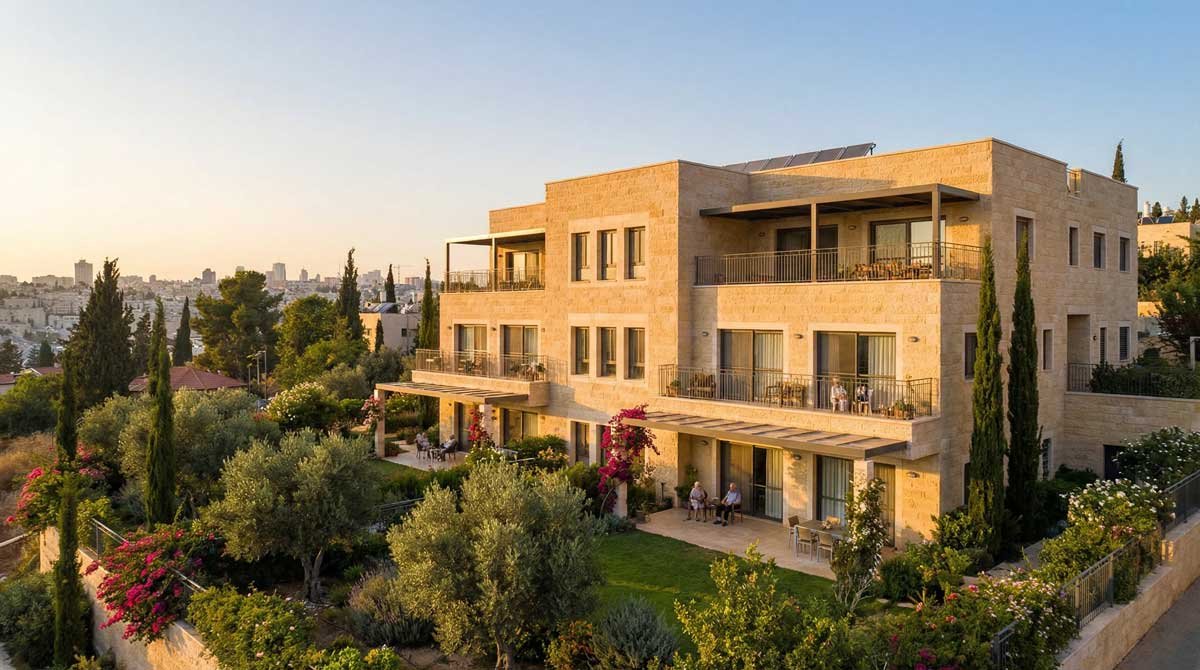
In the heart of Jerusalem, a city of deep spiritual significance, lies Beit Bart. It is a name that appears across the internet, often shrouded in confusion. But the real Beit Bart is a unique senior residence, a community built on a foundation of faith and history. It offers a solution for families seeking that rare blend of independence, care, and spiritual continuity.
This guide cuts through the noise. We provide a comprehensive, honest look at Beit Bart — from its management by the historic Reuth organization to daily life within its walls. For families, especially those in the diaspora, this is the clarity you need to make a confident choice.
What Exactly Is Beit Bart? Unpacking the Name and the Place
First, let’s clarify the name. In Hebrew, “Beit” (בית) means “House.” The second part of such a name, like “Bart,” is often a dedication to a person or family — a naming tradition common across Israel for schools, community centers, and care facilities. While vague references circulate online, the authoritative Beit Bart is a real, verified senior residence at 56 Hebron Road in Jerusalem’s Baka’a neighborhood.
It is not a Palestinian village or an abstract cultural concept. It is a specific place with a clear purpose. More importantly, it operates under a model known as “Diur Mugan” (דיור מוגן), or “Protected Housing.”
Diur Mugan is a unique Israeli approach to senior living. It sits between complete independence and the intensive care of a nursing home. Residents live in private apartments, maintaining their autonomy, but with the peace of mind that comes from having a 24/7 safety net and a supportive community just outside their door.
This distinction matters enormously. Beit Bart is not a hospital. It is a home — a genuine, private, independent home — that happens to be embedded within a caring and vibrant community.
The Reuth Connection: A Legacy of Compassion Since 1937
To truly understand Beit Bart, you must know Reuth (רעות), the respected non-profit organization that manages it. This connection is a cornerstone of Beit Bart’s credibility. Reuth is not a corporate entity; it is a social service organization with deep roots in Israeli history.
Reuth’s story begins in 1937. It was founded by a group of pioneering German immigrant women, led by the visionary Paula Brett. Originally named “Women’s Social Service,” they created a soup kitchen and social support network in Tel Aviv, laying the groundwork for a legacy of care that has grown with the nation itself.
Today, Reuth is one of Israel’s most esteemed non-profits. It operates the renowned Reuth Tel Aviv Rehabilitation Hospital — Israel’s largest rehabilitation facility, established in 1961 — alongside other senior homes and community services. Beit Bart is a key part of this network, benefiting from decades of institutional experience and a profound commitment to compassionate care.
Reuth operates three senior homes in total: Beit Shalom and Beit Jenny Breuer in Tel Aviv, and Beit Barth in Jerusalem. Together, they serve over 400 residents across the country.
A Day in the Life: What It’s Really Like at Beit Bart
Imagine a pleasant, three-story stone building in a quiet Jerusalem neighborhood. Inside, residents live in their own private, refurbished apartments. This is the setting of Beit Bart. It blends the city’s historic limestone architecture with the comforts of modern, independent living.
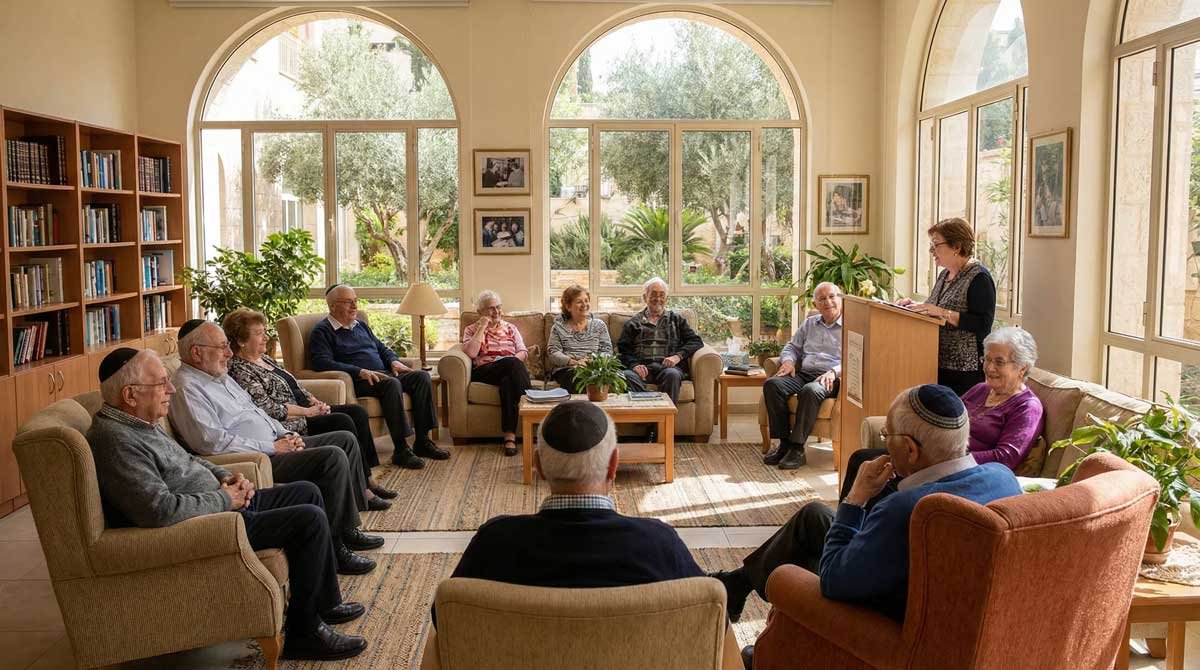
The heart of the community is its spiritual life. Beit Bart is designed for the religious-Zionist community, fostering an Orthodox — but not ultra-Orthodox — atmosphere. An onsite synagogue hosts daily prayer services. Shabbat and all Jewish holidays are fully observed, allowing residents to continue their lifelong traditions seamlessly and without compromise.
But life here extends well beyond prayer. It is a place of vibrant social connection. Residents gather for educational lectures, enjoy musical performances, or join in gentle exercise classes. The goal is to create a true community, actively dispelling the loneliness that can too often accompany old age.
All of this is supported by a robust 24/7 medical safety net. This includes onsite nursing staff, emergency call buttons in every apartment, fire detection and alarm systems, and regular health monitoring with scheduled doctor visits. For families far away, this infrastructure provides an irreplaceable layer of peace of mind.
Location, Location, Location: The Historic Baka’a Neighborhood
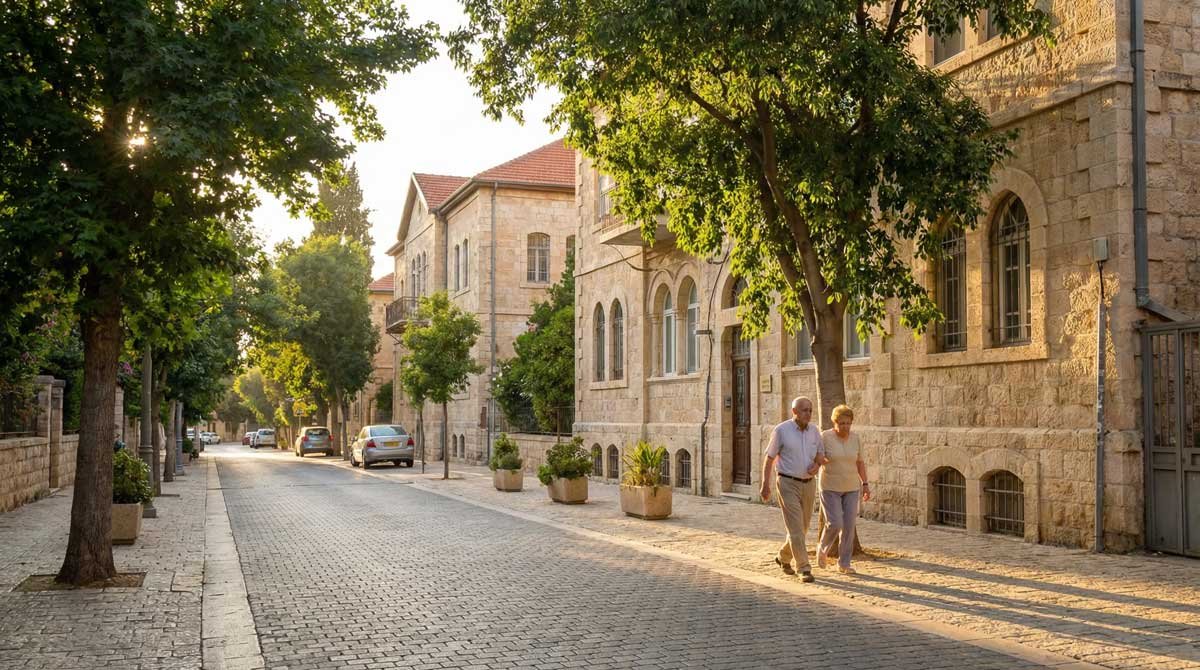
Beit Bart sits on Hebron Road in the historic Baka’a (also spelled Bak’ah) neighborhood of southern Jerusalem. This location is not an accident; it is integral to the quality of life it offers. Baka’a is known for its quiet, tree-lined streets and a charming blend of old Arab-style stone houses and thoughtfully developed modern buildings.
For seniors, the practical advantages are immense. The neighborhood provides easy access to local shops, healthcare clinics, public transportation, and numerous synagogues. Residents can maintain their independence and stay connected to the rhythm of Jerusalem life, rather than feeling isolated within an institutional campus.
The atmosphere of Baka’a itself is a significant benefit. It is a place where birds sing in the morning and families stroll in the afternoon. This connection to a living, breathing neighborhood ensures that Beit Bart does not feel like an isolated facility, but a home that is genuinely part of a community.
Is Beit Bart the Right Choice? A Practical Guide for Families
Choosing a senior residence is a deeply personal decision. Beit Bart is an exceptional option, but it is designed for a specific profile. The following guide is for families — especially those navigating this choice from abroad — to help determine if it’s the right fit.
Beit Bart may be the ideal choice if your loved one:
✔ Is functionally independent but would benefit from a safety net — they don’t require constant, hands-on nursing care.
✔ Seeks to live in an environment that fully respects and observes an Orthodox Jewish lifestyle, including kosher food and Shabbat.
✔ Feels at home within the religious-Zionist (dati-leumi) community and its values.
✔ Desires both a private apartment and easy access to social activities, prayer services, and companionship.
✔ Is an English-speaking immigrant (Anglo) or has family living abroad who need a trusted, communicative facility.
The Anglo and Diaspora Connection
A key, often unstated, feature of Beit Bart is its welcoming environment for English-speaking residents. For decades, it has been a trusted choice for immigrants and for Israeli seniors whose children live in the diaspora — in the United States, United Kingdom, and beyond. The staff is accustomed to communicating with families abroad, providing a crucial bridge and an extra layer of comfort for everyone involved.
Beit Bart vs. Other Senior Living Options: A Clear Comparison
To clarify its unique position, the table below compares Beit Bart’s “Diur Mugan” model with other senior living options commonly available in Israel:
| Feature | Beit Bart (Diur Mugan) | Nursing Home (Beit Avot) | Independent Living |
|---|---|---|---|
| Independence Level | High, with a safety net | Low; for those needing daily help | Complete |
| Living Space | Private apartment with kitchenette | Usually a private or shared room, no kitchen | Own private apartment or house |
| Medical Support | 24/7 on-call staff, regular check-ups | 24/7 hands-on nursing care | None provided |
| Religious Framework | Fully integrated (Orthodox) | Varies; often not central | Self-managed |
| Social Structure | Organized community activities | Structured, often medically focused | Self-managed |
| Best For | Independent seniors seeking community and security | Seniors needing significant daily medical assistance | Fully independent and healthy seniors |
The Financial and Practical Details
Understanding the logistics is a critical step. Beit Bart operates on a private-pay basis, which is standard for Diur Mugan facilities in Israel. The financial structure typically involves two main components: a one-time entry deposit and a subsequent monthly service fee.
The monthly fees cover the core services that make protected housing what it is. This generally includes the apartment rental, 24/7 security, access to medical and nursing staff, building maintenance, and the full program of social, cultural, and religious activities. Meals and housekeeping are often included or available as part of the service package.
The admission process is straightforward but thorough. It involves a health assessment to confirm the applicant is functionally independent and a suitable fit for the Diur Mugan model. This careful screening ensures the community remains safe and appropriate for all residents. Families are encouraged to contact Reuth directly for current pricing and availability, as demand for this well-regarded facility is consistently high.
Honest Insights: Strengths and Challenges
No place is perfect, and an honest assessment is crucial for a decision this important. Beit Bart’s strengths are clear and compelling. It offers a powerful sense of community, a deep-rooted faith environment, and the significant credibility of being managed by Reuth, an organization with nearly 90 years of service. For many seniors, this balance of independence and security is the ideal solution.
However, it is important to acknowledge the challenges. The home’s strong religious identity, while a primary benefit for many, means it may not be a comfortable fit for secular or non-Jewish seniors. Furthermore, as a well-regarded facility in a desirable Jerusalem location, there is high demand for a limited number of spots, which can sometimes mean a waiting period before a place becomes available.
Frequently Asked Questions About Beit Bart
- 1. What is Beit Bart best known for?
- Beit Bart is best known for providing a faith-based, Orthodox Jewish senior living community in Jerusalem’s Baka’a neighborhood. It masterfully balances resident independence with a strong safety net, all under the trusted management of the Reuth organization, which has been serving Israel since 1937.
- 2. Does Beit Bart provide full-time nursing care?
- No. Beit Bart operates as “Diur Mugan” (Protected Housing), not a nursing home. It is designed for seniors who are functionally independent but want access to medical support and 24/7 on-call staff. While it does have a Supportive Department for residents whose health declines over time, it is not a full-time nursing facility. Seniors requiring intensive, round-the-clock nursing care would be better served by a dedicated nursing home (Beit Avot).
- 3. Is Beit Bart suitable for non-religious seniors?
- While Beit Bart has a warm and welcoming community, its daily life is structured around Orthodox Jewish practices, including daily prayers, kosher meals, and full Shabbat observance. It is therefore best suited for seniors who genuinely desire and feel comfortable within this specific religious framework. Secular seniors or those from other backgrounds may find the environment less aligned with their lifestyle.
- 4. Can English-speaking seniors from other countries live at Beit Bart?
- Absolutely. Beit Bart has a long and well-established history of welcoming English-speaking residents, commonly referred to as “Anglos.” It is a popular choice for Jewish immigrants from English-speaking countries and for families living abroad who want a comfortable, familiar, and communicative environment for their parents in Israel. The staff is experienced in working with international families.
- 5. Who manages Beit Bart?
- Beit Bart is managed by Reuth, one of Israel’s oldest and most respected non-profit social service organizations. Founded in 1937 by pioneering immigrant women led by Paula Brett, Reuth has a long legacy of providing healthcare and social welfare services across the country. It also operates Israel’s largest rehabilitation hospital in Tel Aviv, lending Beit Bart significant institutional credibility and expertise.
Conclusion
Choosing a senior residence is about more than logistics. It is about honoring a life lived and ensuring the years ahead are filled with dignity, community, and purpose. Beit Bart is not just a building on a quiet Jerusalem street. It is the living legacy of Reuth’s nearly century-long mission — a community where faith is woven into the very fabric of daily life.
For families seeking a place that cherishes both independence and tradition, Beit Bart offers a rare and compelling answer. It provides a home where residents are not merely cared for, but are also deeply understood. If you are looking for a community that feels like family, rooted in the heart of Jerusalem, then Beit Bart is a conversation worth starting.
For official information about Beit Bart and Reuth’s senior homes, visit the Reuth Organization’s official website. For families considering Aliyah or relocation for elderly parents, the Nefesh B’Nefesh guide for retirees is an invaluable resource.


Leave a Reply