Mason Jar Breakfast

Not Your Grandma's Mason Jar Anymore!

  • Home
  • Recipes
    • Mason Jar Breakfast
    • Mason Jar Lunch
    • Mason Jar Dinner
    • Mason Jar Dessert
  • Crafts
  • Décor
  • Gifts
  • Beauty
  • About
  • Shop
  • Others
    • Auto
    • Business
    • Fashion
    • Food & Beverage
    • Health
    • Home Improvement
    • Immigration & Investment
    • Lifestyle
    • SEO Digital
    • Tech
    • Travel
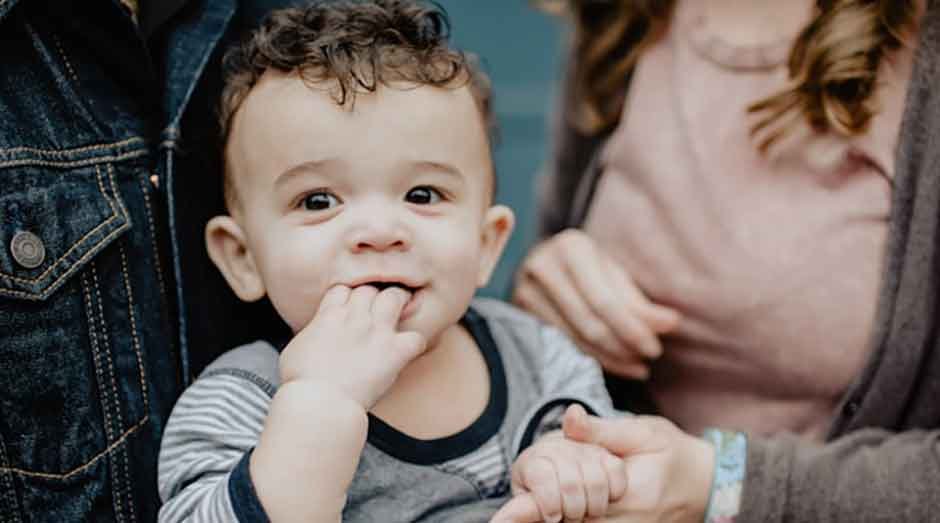
5-Toddler-Friendly-Potty-Training-Ideas-That-Actually-Work

5 Toddler-Friendly Potty Training Ideas That Actually Work

Lifestyle Leave a comment

5-Toddler-Friendly-Potty-Training-Ideas-That-Actually-Work

Potty training strikes fear into the hearts of even the most confident parents. This developmental milestone transforms peaceful households into battlegrounds filled with accidents, tears, and mountains of laundry. Every family dreads those public mishaps and the seemingly endless cycles of progress followed by mysterious setbacks.

Building Routines Around Natural Patterns

Most families approach potty training with rigid schedules that ignore biological rhythms. Dragging toddlers to the bathroom every thirty minutes, regardless of need, creates resistance and frustration. Children resent interruptions during fascinating play activities, especially when their bodies don’t actually require bathroom visits. Smart parents observe their child’s natural patterns instead of imposing arbitrary timelines. Most toddlers need bathroom breaks shortly after meals due to normal digestive reflexes. Others predictably wake from naps with full bladders or show consistent patterns around specific daily activities. These existing rhythms provide the foundation for successful bathroom routines. Consistent timing around natural patterns helps children understand expectations without feeling constantly controlled. Regular bathroom visits after breakfast, before baths, and at bedtime create a predictable structure. When accidents occur outside these routine times, calm responses teach children that bathroom needs represent normal body functions rather than sources of shame. The key lies in building habits around what already happens naturally rather than fighting against biological timing.

Creating Comfortable Bathroom Environments

Standard toilets intimidate small children who must balance on seats designed for adult proportions. Dangling feet and oversized openings create genuine fear that many parents dismiss too quickly. This physical discomfort explains much of the resistance families encounter during potty training attempts. Proper equipment transforms scary bathrooms into manageable spaces. Sturdy step stools and secure potty seats help children feel stable and confident. Some families prefer standalone potty chairs that match toddler proportions better than adapted adult fixtures. Either approach works well, but consistency matters more than specific equipment choices. Children benefit from ownership over their bathroom space. Decorating with stickers or choosing special underwear together makes the area feel welcoming rather than clinical. Books or quiet toys designated specifically for potty time address boredom that often leads to rushing. When children feel comfortable and secure in their bathroom environment, they naturally spend adequate time on physiological success.

Recognizing Individual Communication Patterns

Toddlers communicate bathroom needs through various verbal and physical signals that parents must learn to interpret. Some children clearly state their needs, while others rely on subtle body language or behavior changes. Parents who understand what is elimination communication often discover that even very young children signal their bodily needs well before developing clear verbal skills. Each child develops unique patterns for expressing bathroom urgency. Dancing, holding, sudden stillness, or seeking privacy behind furniture all represent valuable communication attempts. These behaviors provide important information that observant parents can use to support successful potty experiences rather than dismissing them as random toddler quirks. Consistent vocabulary helps children connect words with physical sensations. Whether families prefer clinical terms or playful nicknames matters less than using the same words repeatedly. Neutral language that treats bathroom functions as normal body processes works better than negative terms that might create shame around natural biological needs. Clear communication builds the foundation for independent bathroom use.

Acknowledging Progress Without Overwhelming Pressure

Positive reinforcement motivates toddlers, but excessive celebrations for basic body functions often backfire. Some children become so focused on earning rewards that they lose touch with actual physical sensations and needs. Others feel pressured to perform rather than learning to listen to their bodies naturally. Simple acknowledgment works better than elaborate reward systems. High-fives, stickers, or brief positive comments provide recognition without turning bathroom use into theatrical productions. The goal involves showing children that adults notice their efforts while keeping the focus on growing independence rather than external validation. Effective praise emphasizes internal awareness over specific outputs. Commenting on listening to body signals or remembering bathroom routines teaches valuable skills that extend beyond potty training. This approach helps children develop intrinsic motivation for self-care rather than dependence on constant external approval for basic biological functions.

Managing Setbacks with Strategic Patience

Every potty training journey includes resistance phases that test family patience. Children might regress after weeks of success, refuse bathroom visits, or demand diapers for specific situations. These setbacks feel enormously frustrating but represent normal developmental patterns rather than deliberate defiance or failure. Stepping back during strong resistance often accelerates long-term progress. Sometimes children need additional physical or emotional maturation before mastering bathroom independence. Forcing issues frequently prolongs the process and creates negative associations that persist for months beyond the initial training period. Major life changes commonly affect potty training progress. New siblings, moving homes, starting daycare, or family stress can temporarily derail even well-established bathroom routines. During these transitional periods, maintaining calm consistency while reducing pressure often helps children return to progress naturally when they feel more emotionally secure.

Conclusion

Effective potty training matches approaches to individual child personalities and developmental readiness. These strategies succeed because they respect toddler capabilities while acknowledging natural limitations. Accidents will happen, progress rarely follows straight lines, and every child eventually masters this essential life skill. Trusting the process while maintaining consistent support leads families through this challenging transition toward genuine bathroom independence.


Related Posts

  • Budget-Friendly Kitchen Renovation Ideas – A Brief Guide
    Budget-Friendly Kitchen Renovation Ideas – A Brief Guide

    Like most homeowners, you must be looking for ways to upgrade your kitchen, McCourt Real…

  • Group Training Strategies for Women Focused on Strength and Confidence

    How often would you like a workout that makes you feel strong? Women are running…

  • Creative Breakfast Ideas for Busy Mornings

    Mornings can be chaotic, but that doesn’t mean you have to sacrifice a delicious and…

  • Salisbury Steak Meal Prep Ideas for Busy Weeks

    Preparing meals ahead of time saves precious hours during the week and ensures you have…

Filed Under: Lifestyle

Leave a Reply Cancel reply

Your email address will not be published. Required fields are marked *

Hi, I'm Yetta. I love having dance parties in the kitchen with my family, traveling, and Mason jar creations.

Follow on Facebook Follow on Pinterest Follow on Twitter Follow on Instagram

Recent Posts

Rice Bowls and Better Eating
Effective Approaches for Minimizing the Appearance of Cellulite
Avoiding Common Mistakes During Estate Administration
Women In Recovery Often Face Different Pressures, Here Are Five That Shape The Journey
What Are Some Menu Staples of American Grills?
The Rider’s Roadmap: Planning Motorcycle Transport for Your Next Big Move For many riders, a motorcycle is more than just a vehicle. It represents freedom, independence, and countless miles of adventure. When it comes time to move to a new city or region, however, transporting a motorcycle requires careful planning. Whether relocating for work, education, or a lifestyle change, ensuring your bike arrives safely at its new destination is an important part of the process. Planning motorcycle transport properly helps protect your bike, reduce stress during the move, and ensure that once you arrive, your motorcycle is ready to hit the road again. Decide Whether to Ride or Ship Your Motorcycle The first step in planning motorcycle transport is deciding whether to ride the bike to your new location or arrange transport. While riding may seem like the most natural option, long-distance journeys can sometimes be impractical. Factors such as the distance, time constraints, weather conditions, and the amount of luggage you need to carry can all influence this decision. For riders relocating across the country or managing a busy move, shipping the motorcycle can often be the safer and more convenient choice. Transporting the bike separately allows riders to travel more comfortably while ensuring the motorcycle is handled with care. Explore Different Motorcycle Transport Options Motorcycles can be transported using several different methods. Each option has advantages depending on your situation. One option is transporting the motorcycle yourself using a van or trailer. This approach provides control over the process but requires the correct equipment and knowledge of how to secure the bike safely. Another option is using professional motorcycle transport services. These companies specialise in vehicle delivery and typically use vans or trailers designed specifically for motorcycles. Many riders prefer this approach because it reduces the risks associated with loading, securing, and transporting the bike themselves. Prepare Your Motorcycle for Transport Before your motorcycle is collected or loaded for transport, it is important to prepare it properly. Cleaning the bike is a good first step, as it makes it easier to identify any existing scratches or damage. It is also wise to remove any loose accessories such as tank bags, phone mounts, or detachable luggage. These items could move during transport and cause unnecessary damage. Taking photographs of the motorcycle before transport is also recommended. Documenting the bike’s condition provides reassurance and can be useful if any issues arise during delivery. Ensure the Motorcycle Is Properly Secured If you are transporting the motorcycle yourself, securing it correctly is essential. Motorcycles should be loaded carefully using a ramp and positioned in a stable location within the vehicle or trailer. Strong ratchet straps should then be used to secure the bike to fixed anchor points. Wheel chocks can help stabilise the front wheel and prevent movement during transit. Proper securing prevents the motorcycle from shifting or tipping while the transport vehicle is in motion. Choose a Reliable Transport Service When choosing a professional transport provider, reliability and experience should be key considerations. Motorcycle transport requires specialised handling, so it is important to work with companies that understand how to move bikes safely. Reading customer reviews, comparing quotes, and confirming insurance coverage can help ensure you select a trustworthy service. For riders relocating within the UK, services offering Cheshire motorcycle shipping can help connect owners with experienced transport providers who specialise in moving motorcycles securely between locations. Plan Delivery Logistics in Advance Motorcycle transport should be coordinated with the overall moving schedule. Planning delivery timing ensures that someone is available to receive the motorcycle once it arrives at the new location. It is also helpful to confirm whether the transport company offers door-to-door delivery or requires collection from a depot. Ensuring the delivery location is accessible for transport vehicles helps prevent delays. Careful planning allows the transport process to fit smoothly into the rest of your relocation. Protect Your Motorcycle Investment Motorcycles often represent both a financial investment and a personal passion. Taking steps to protect the bike during a move helps ensure it arrives in the same condition it left. This includes choosing a reputable transport service, preparing the motorcycle carefully, and confirming that the transport company provides insurance coverage during transit. These precautions help minimise risks and provide peace of mind throughout the moving process. Final Thoughts Relocating to a new place is an exciting chapter, and bringing your motorcycle along ensures the adventures can continue wherever you go. By planning transport carefully, riders can protect their bikes and avoid unnecessary complications during the move. From preparing the motorcycle to selecting the right transport provider, each step plays a role in ensuring a smooth transition. With the right planning in place, your motorcycle will be waiting for you at your new destination, ready for the next journey ahead.

Recent Posts

  • Rice Bowls and Better Eating: Why Balanced Bowl Meals Fit Modern Lifestyles
  • Effective Approaches for Minimizing the Appearance of Cellulite
  • Avoiding Common Mistakes During Estate Administration
  • Women In Recovery Often Face Different Pressures, Here Are Five That Shape The Journey
  • What Are Some Menu Staples of American Grills?

categories

Copyright © 2026 · All rights reserved. Disclosure Policy. Contact Us: Kelli@masonjarbreakfast.com