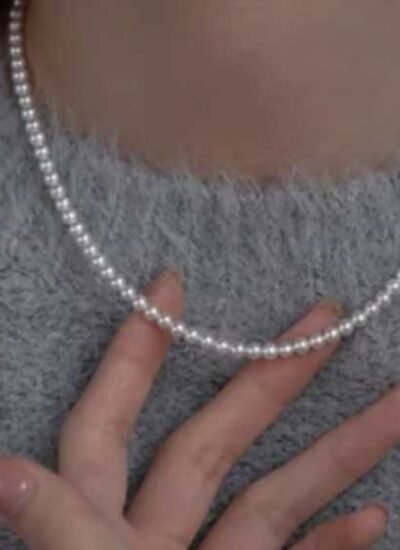
From the depths of ancient history to the high-fashion runways of today, pearls have maintained a unique position in the jewelry world.
Unlike mined gemstones that require cutting to reveal their brilliance, pearls are born perfect, embodying an organic elegance that has captivated humanity for millennia. Historically reserved for royalty and the ultra-wealthy as symbols of status, pearls have evolved.
Today, pearl fashion jewelry has transcended its aristocratic origins to become a versatile choice for people of all ages. For jewelry brands, understanding this evolution is key to leveraging the pearl’s enduring power in a competitive market.
How is Pearl Fashion Jewelry Popular?
The longevity of pearls in the fashion industry is not a coincidence; it is a result of cultural depth, industrial evolution, and aesthetic adaptability. For e-commerce brands and jewelry retailers, analyzing these factors explains why stocking pearl collections remains a profitable strategy.
1. Rich Historical and Cultural Roots
The allure of pearls is deeply entrenched in human history. In the Renaissance, often termed the “Pearl Age,” pearls flooded Europe, becoming the ultimate accessory for monarchs like Queen Elizabeth I, who wore them to project power. Prior to this, figures like Cleopatra established pearls as signifiers of the ruling class.
This historical weight gives modern pearl fashion jewelry an inherent perceived value; consumers are not just buying an accessory, but a symbol of refinement that has survived centuries.
2. Unmatched Styling Versatility
Few materials bridge the gap between formal and casual as effectively as pearls. While diamonds often demand an occasion, pearls have adapted to every setting.
From the “dog-collar chokers” popularized by Queen Alexandra to the revolutionary styling of Coco Chanel, who mixed costume pearls with fine jewelry, the gem has proven its flexibility.
Today, a fashion jewelry pearl necklace is just as appropriate to wear with a business suit as it is with evening wear, offering brands a product line with high sell-through rates across diverse demographics.
3. Increased Pearl Availability
The transition from natural to cultured pearls revolutionized the market. Before 1893, natural pearls were rarer and more expensive than gold. The breakthrough in culturing techniques, pioneered in Japan, democratized access without sacrificing beauty. This shift allowed manufacturers to produce consistent, high-quality pearls at scale.
For mass-market and mid-range brands, this availability means that designing a pearl ring or bracelet series is now a scalable venture rather than a niche luxury offering.
4. Diversity in Design
Modern manufacturing has moved beyond the simple single strand. The Art Deco period introduced the long pearl necklace fashion jewelry style, often paired with geometric gems, establishing a precedent for structural diversity.
Today, designers are free to experiment with silhouettes that were previously impossible, creating collections that range from architectural chokers to fluid, body-contouring pieces.
5. Mix of Materials and Styles
Contemporary trends thrive on contrast. Designers are increasingly combining the soft luster of pearls with industrial elements.
Fashion jewelry pearl bracelets are no longer just strung pearls; they are now integrated with chunky brass chains, stainless steel links, or leather cords. This fusion appeals to a younger demographic looking for “edge” alongside elegance.
High-quality plating technologies, such as those used by premium manufacturers, allow for the seamless blending of stainless steel or gold-plated brass with organic pearls.
6. Unique Baroque Pearls
Perfection is no longer the only standard. The rise of Baroque pearls, which are irregular, non-spherical shapes, has surged in popularity.
These organic forms offer a “one-of-a-kind” appeal that resonates with modern consumers who value individuality over uniformity. Their unique textures reflect light differently, making them ideal for statement pieces like bold earrings or artistic pendants.
7. Layered Wearing
The “more is more” philosophy has revitalized pearl styling. Influenced by the flapper era and modernized by current street style, layering is a dominant trend.
Consumers are stacking different lengths and sizes, often mixing a long pearl necklace fashion jewelry piece with shorter metal chains. This trend encourages multiple unit purchases, as customers seek to build a curated “neck mess” look.
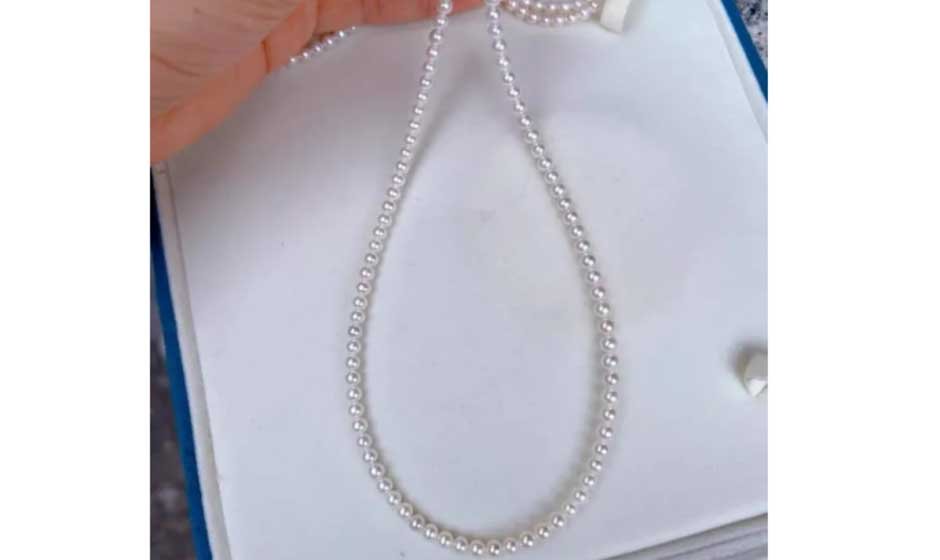
How to Attract the New Generation of Consumers?
To capture the growing market share of Millennials and Gen Z, jewelry brands must pivot their messaging and design language away from traditionalism toward expressionism.
1. Break Traditional Paradigms
The new generation rejects the notion that pearls are “grandmother’s jewelry.” Brands must emphasize personalization.
This involves deconstructing classic styles, offering mismatched pearl earrings or asymmetric necklaces that challenge symmetry. The goal is to present pearls not as a uniform, but as a canvas for self-expression.
2. Connect with Trend Culture
The democratization of pearls includes a significant shift in gender norms. The “Pearl Mania” in men’s fashion, driven by pop culture icons and hip-hop artists, has opened a blue ocean market.
Men are increasingly wearing pearl strands and bracelets, often paired with streetwear. Brands should market pearl collections as gender-neutral or unisex to tap into this expanding consumer base.
3. Establish a Product Tier System
To maximize reach, brands should structure their inventory to cater to different price points. A comprehensive collection might range from entry-level freshwater pearl studs to high-end pearl piece sets. This tier system allows a brand to acquire customers with accessible items like a simple pearl ring and retain them for higher-value purchases later.
4. Focus on Sustainability
Sustainability is a non-negotiable factor for modern buyers. Pearls are unique in that they are organic, renewable gems derived from living creatures.
Brands should highlight the connection between clean water and high-quality pearls. Pearl farming requires pristine environments to succeed. Marketing pearls as an eco-conscious luxury aligns with the ethical values of the new consumer.
Collaborate with a Professional Jewelry Manufacturer
For growing e-commerce brands and established jewelry houses, capitalizing on the pearl trend requires a manufacturing partner capable of executing complex, mixed-material designs with precision.
Star Harvest is a leading OEM/ODM jewelry manufacturer that specializes in brass and stainless steel jewelry. Their expertise is crucial when producing modern pearl jewelry that requires durable settings and high-quality plating (such as Gold, Rhodium, or Rose Gold) to complement the organic gem.
Whether you need intricate fashion jewelry pearl bracelets that combine leather and silver, or classic pearl earrings with a modern twist, their mature production lines and strict quality control ensure your products meet international standards.
Conclusion
In conclusion, the trajectory of pearl jewelry is one of constant reinvention. By understanding its historical prestige and adapting to modern demands for versatility and sustainability, brands can secure their place in this timeless market.
Contact Star Harvest now for OEM/ODM jewelry.


Leave a Reply