
 Choosing a primary school is one of the most significant decisions a parent makes. It is not merely about selecting a building where your child will spend their days. It is about choosing the academic framework that will shape their early cognitive development and social skills. For families living abroad or planning an international move, this decision carries even more weight. You are not just looking for a good school locally, but for a system that offers transferability, rigour, and a holistic approach to early childhood education.
With so many educational philosophies available, ranging from Montessori to the International Baccalaureate, understanding the specific benefits of each curriculum is vital. This is especially true for the foundational years, where the habits of learning are established. The choices made now will impact how a child engages with education for years to come.
Understanding the British Framework
One of the most widely recognised educational standards globally is the British National Curriculum. It is renowned for its structured yet creative approach to early learning. This system breaks education down into clear blocks, providing a roadmap for progress that is consistent whether a child is studying in London, Dubai, or Southeast Asia. For American families, this structure is comparable to the grade-level standards found in top-tier US private schools, but often with an earlier start to formal reading and writing.
The first major block after the Early Years Foundation Stage is known as Key Stage 1. This phase typically covers ages five to seven, or Years 1 and 2. According to the official UK government standards, this stage emphasises the essential building blocks of literacy and numeracy. The curriculum mandates rigorous standards in core subjects like English, mathematics, and science, while also incorporating history, geography, and art to ensure a well-rounded exposure to the world.
For expatriate families or those seeking a globally recognised education in Southeast Asia, this consistency is a major asset. It ensures that if a family moves back to the UK or to another British international school elsewhere, the child’s education continues without interruption. This is why many parents specifically seek out the Key Stage One Curriculum in Bangkok to ensure their children remain aligned with these rigorous international standards while living in Thailand.
The Importance of the School Environment
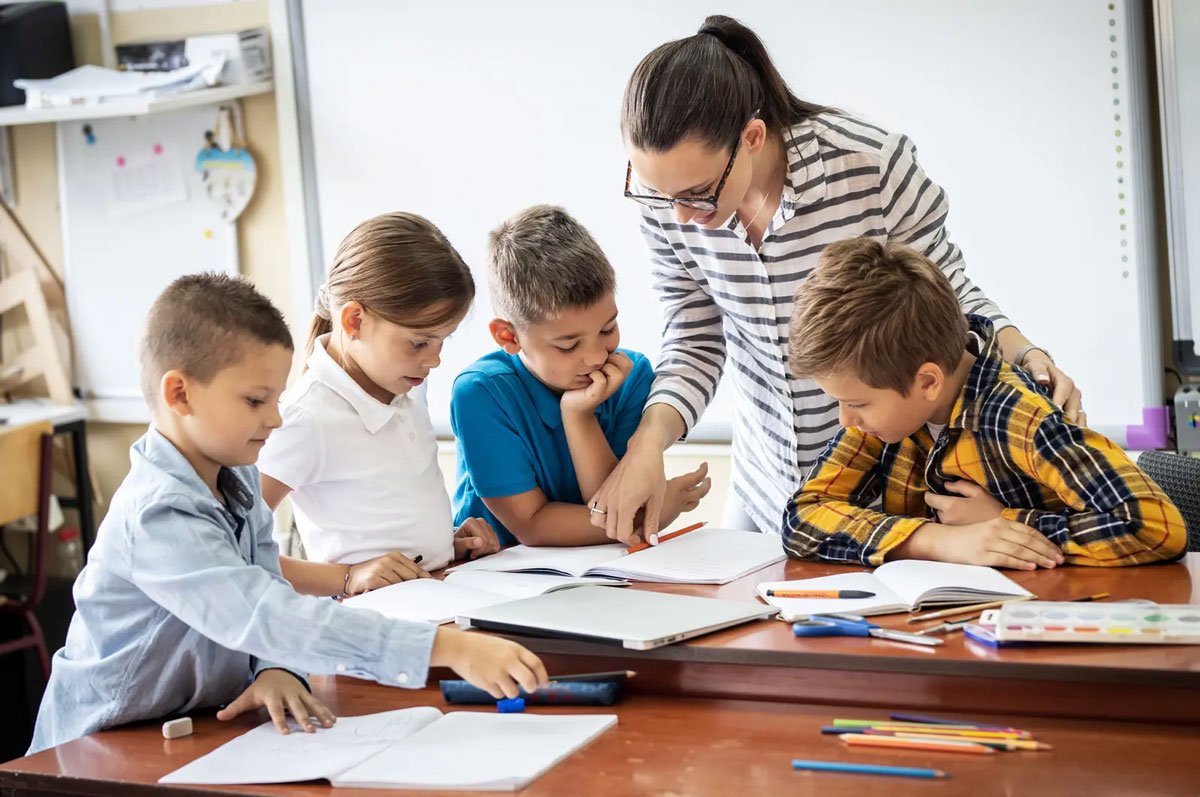
While the syllabus provides the map, the school environment provides the vehicle for learning. A curriculum is only as effective as the culture in which it is delivered. When touring potential primary schools, parents should look beyond the textbooks to assess the emotional and physical atmosphere of the classroom. A rigid focus on academics without emotional support can be counterproductive at this young age.
Children in the five-to-seven age range are highly sensitive to their surroundings. If a child feels anxious or insecure, their ability to absorb new information diminishes significantly. A truly effective primary school understands that emotional safety is a prerequisite for academic risk-taking. As highlighted in our previous discussion on the power of supportive environments, the psychological safety provided by a structured and nurturing setting is just as critical as the academic material itself. When children feel supported, they are more likely to ask questions, make mistakes, and engage in the honest communication that drives deep learning.
What to Look for in a Primary School
When evaluating schools, it can be helpful to have a checklist of non-negotiables. While every family has unique needs, certain elements are universal indicators of a high-quality primary education. Here are key factors to consider during your search:
- Qualified Specialists: Look for schools that employ educators who are specifically trained in the curriculum they are teaching. For the British system, this often means teachers who hold UK qualified teacher status and have experience with the specific nuances of Key Stage 1.
- Balanced Routines: The day should not be spent entirely at a desk. Look for a timetable that balances academic instruction with play-based learning, physical education, and creative arts. A balanced approach ensures that children do not burn out early.
- Facilities that Spark Curiosity: Does the school have a library that invites reading? Are there green spaces for outdoor exploration? The physical facilities should act as a “third teacher” which inspires children to explore their world independently.
- Parental Engagement: Primary education is a partnership. The best schools have clear channels for communication and welcome parents into the learning journey. Regular updates and open door policies are signs of a healthy school culture.
Preparing for the Future
The goal of primary education is to build a learner, not just a student. The skills acquired during these formative years, such as critical thinking, social cooperation, and basic literacy, are the tools your child will use for the rest of their life.
By choosing a curriculum that is both rigorous and globally portable, you are giving your child a passport to the world. Whether you settle in one place or continue to travel, a strong foundation in a standardized system provides a sense of continuity and confidence. Take the time to visit schools, speak with the heads of primary departments, and observe the students in action. The right environment will not only teach your child to read and count but will also instil a lifelong love of learning.




Leave a Reply