
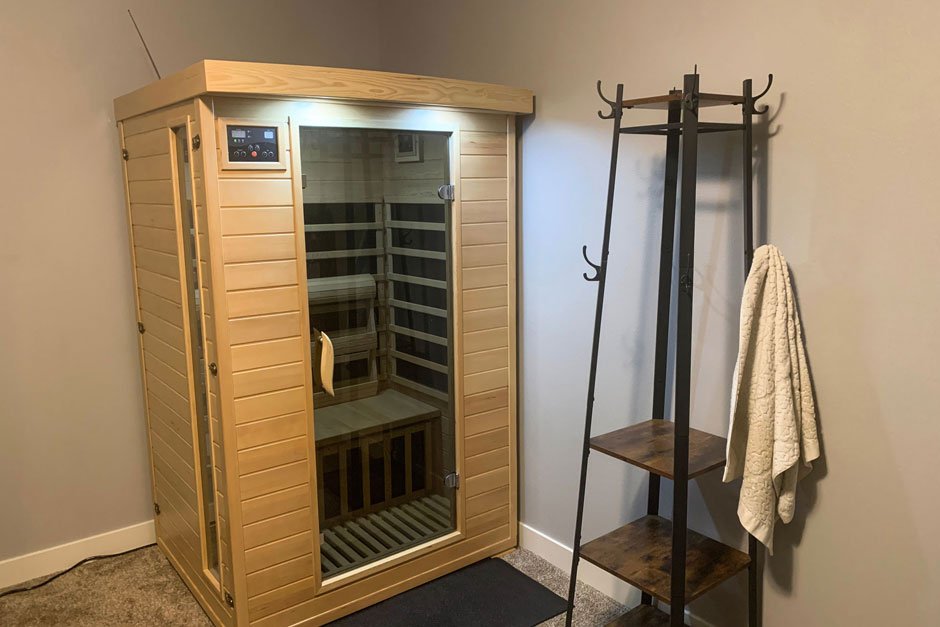
 Adding a sauna to your home transforms your daily routine into a wellness sanctuary. However, with energy costs rising and environmental consciousness growing, selecting an energy-efficient sauna has become more important than ever. The right choice not only reduces your carbon footprint but also saves you money on utility bills while delivering the authentic sauna experience you desire.
Energy efficiency in home saunas depends on several key factors: insulation quality, heater type, size optimization, and construction materials. Understanding these elements helps you make an informed decision that aligns with both your wellness goals and your commitment to sustainable living.
Understanding Sauna Energy Consumption
Different sauna types consume varying amounts of energy. Traditional steam saunas typically use between 6 and 9 kW of power, while infrared saunas operate on just 1.5 and 3 kW. The size of your sauna directly impacts energy usage, as a larger space requires more power to heat and maintain temperature.
Your usage patterns also influence overall energy consumption. Daily users benefit more from well-insulated models that retain heat longer, while occasional users might prioritize quick heat-up times over maximum insulation.
Insulation: The Foundation of Efficiency
Quality insulation serves as the backbone of an energy-efficient sauna. Look for models with thick wall construction, featuring 2 inches of insulation in the walls, ceiling, and floor. Double-wall construction with an air gap provides superior thermal performance compared to single-wall designs.
The type of insulation material matters significantly. Rock wool and fiberglass offer excellent thermal properties, while reflective barriers help redirect radiant heat back into the sauna interior. Proper vapor barriers prevent moisture from compromising the effectiveness of insulation over time.
Door and window seals play a crucial role in maintaining energy efficiency. High-quality gaskets and weatherstripping prevent heat loss through gaps, ensuring your sauna maintains temperature without overworking the heater.
Choosing the Right Heater for Efficiency
Electric heaters offer precise temperature control and consistent performance. Modern electric units feature advanced controls that allow you to program heating schedules, reducing standby energy consumption. Choosing a good sauna heater involves evaluating both power requirements and efficiency features.
When selecting electric heaters, look for models with built-in timers and thermostats. These features prevent overheating and allow you to pre-heat your sauna just before use, minimizing energy waste during idle periods.
Wood-burning stoves consume no electricity during operation but require ongoing fuel costs. They excel in off-grid situations and offer the authentic Finnish sauna experience many enthusiasts prefer. However, they require more active management and may not be suitable for every lifestyle.
Optimizing Sauna Size and Design
Right-sizing your sauna prevents unnecessary energy waste. A sauna that’s too large for your needs consumes excess energy, while one that’s too small may run continuously in an attempt to accommodate users comfortably.
Consider your typical usage patterns when selecting size. A 4-person sauna is ideal for families, while couples may find a 2-person model more energy-efficient for regular use. The ceiling height also impacts efficiency; lower ceilings heat faster and retain warmth better than tall spaces.
Construction Materials and Design Features
Cedar and thermally modified wood offer natural insulation properties while resisting moisture and decay. These materials help maintain structural integrity while providing some inherent energy efficiency benefits.
Finding the best barrel sauna often means choosing models with rounded designs that naturally promote better heat circulation. The cylindrical shape eliminates corners where heat can stagnate, creating more efficient thermal dynamics.
Double-pane glass doors and windows offer superior insulation compared to single-pane alternatives. While they cost more initially, they significantly reduce heat loss and improve long-term efficiency.
Smart Controls and Automation
Modern sauna controls offer sophisticated energy management features. WiFi-enabled controllers enable remote operation, allowing you to start your sauna while commuting home. This eliminates the need to keep units running on standby.
Programmable timers ensure your sauna operates only when needed. Some advanced systems learn your usage patterns and automatically optimize heating schedules for maximum efficiency.
Temperature sensors with precise controls prevent overheating, which wastes energy and can damage sauna components over time.
Infrared vs. Traditional: Efficiency Comparison
Infrared saunas typically consume 50-70% less energy than traditional steam saunas. They heat your body directly, rather than warming the entire airspace, requiring less power to achieve therapeutic benefits.
However, traditional saunas offer different health benefits and the classic sauna experience that many users prefer. The choice depends on your priorities: maximum efficiency or authentic experience.
Hybrid models combine both technologies, offering flexibility to choose the most efficient option.
Installation Considerations for Maximum Efficiency
Proper installation has a significant impact on long-term energy efficiency. Ensure adequate insulation around the sauna structure, including the use of proper vapor barriers and thermal breaks.
Consider the capacity of your home’s electrical system. Installing a sauna on a dedicated circuit prevents voltage fluctuations that can reduce heater efficiency and lifespan.
Location matters for efficiency. Indoor saunas benefit from ambient house temperature, while outdoor models face greater temperature differentials that increase energy requirements.
Maintenance for Sustained Efficiency
Regular maintenance preserves energy efficiency over time. Clean heater elements and stones regularly to maintain optimal heat transfer. Replace worn door seals and weatherstripping to prevent heat loss.
Check the insulation annually for signs of settling or moisture damage. Compromised insulation dramatically reduces efficiency and can lead to structural problems.
Monitor energy usage to identify changes in efficiency over time. Sudden increases in consumption often indicate maintenance needs or the failure of components.
Making Your Decision
As you consider your options for heating your home, remember to prioritize energy efficiency. At the same time, it may seem like a small factor compared to cost or convenience, but choosing an efficient heating system can have a big impact on the environment.
In addition to considering the initial cost of installation, think about the long-term savings that come with an energy-efficient system. You may pay more upfront for a high-efficiency furnace or heat pump, but you’ll likely see lower utility bills over time. This not only saves you money but also reduces your carbon footprint and contributes to a more sustainable future.
Building Your Wellness Future
Choosing an energy-efficient sauna represents an investment in both your health and environmental responsibility. The right combination of size, insulation, heating technology, and smart controls creates a sustainable wellness solution that serves your family for years to come.
Focus on models that strike a balance between efficiency and the sauna experience you desire. Remember that the most energy-efficient sauna is one you’ll use consistently, making the health and wellness benefits part of your daily routine.
Take time to evaluate your specific needs, usage patterns, and local energy costs. This thoughtful approach ensures your sauna choice delivers optimal efficiency while creating the relaxing retreat you envision for your home.




Leave a Reply