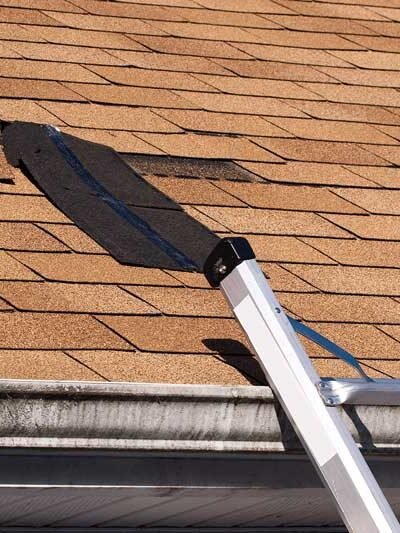
Most homeowners treat their roof like a “set it and forget it” part of the house. You see those beautiful clay or concrete tiles every day when you pull into the driveway, and as long as they look sturdy, you assume everything is fine. However, a single cracked tile or a worn-out section of underlayment can start a chain reaction that ruins your drywall and your budget. If you want to keep your sanctuary dry, investing in professional residential roofing services is the best way to catch these small hiccups before they turn into a full-blown flood in your living room. Taking care of your roof isn’t just about curb appeal; it is about creating a structural shield that keeps the elements exactly where they belong.
The Hidden Danger of Small Cracks
It is easy to ignore a tiny hairline fracture on a roof tile. You might think that because the tile is still mostly in one piece, it is doing its job. But tile roofs actually work as a two-part system. The tiles themselves are the first line of defense, shedding the bulk of the rain, while the felt or synthetic underlayment beneath them handles the rest.
A cracked tile can let water through to the layer underneath in one small area again and again. Over time, repeated moisture can wear down the underlying material and eventually reach the roof decking. If a yellow stain appears on the ceiling, the leak may have been there for quite a while. Repairing small cracks early helps keep water out and prevents bigger damage inside the roof.
Protecting Your Home’s Wood Frame
Wood and water are famous enemies. A complex skeleton of rafters, trusses, and beams holds up your home. When a tile roof leak goes unaddressed, that wood begins to soak up moisture like a sponge. This leads to wood rot, which compromises the very thing holding your roof over your head.
Replacing a few tiles is a quick afternoon job, but replacing a structural support beam is a massive, expensive construction project. Consistent maintenance ensures that your home’s bones stay dry and strong. If you let the moisture sit, you are essentially inviting the wood to soften and eventually sag, which can cause even more tiles to break under the shifting weight.
Avoiding the Nightmare of Mold and Mildew
One of the scariest parts of a leaky roof isn’t actually the water itself, but what grows because of it. Attics are usually dark and warm, which are the exact conditions mold needs to thrive. Once moisture enters through a roof leak, mold can begin growing within 24 to 48 hours.
This is not just a cleaning issue; it is a health issue. Mold spores can travel through your ventilation system and affect the air quality of the entire house. Families often deal with mysterious allergies like hay fever or respiratory issues without realizing the culprit is hiding right above their heads. Getting a timely tile roof repair prevents moisture from entering the attic, keeping your air clean and your family breathing easy.
Saving Money on Energy Bills
Believe it or not, a leaky roof can actually make your air conditioner work harder. When water gets into your attic, it often soaks your insulation. Most modern insulation relies on being fluffy to trap air and regulate temperature. Once it gets wet, it clumps together and loses its R-value.
This means your house will lose heat in the winter and struggle to stay cool in the summer. You might notice your electricity bill creeping up and wonder why. Often, the cause is a compromised roof that has ruined the efficiency of your home’s thermal envelope. Keeping the roof sealed tight ensures your insulation stays dry and effective, saving you a fortune in the long run.
Preserving Your Home Value
If you ever decide to sell your home, the roof will be the first thing a home inspector looks at. A roof with visible leaks or signs of water damage history is a massive red flag for buyers. It suggests that the home has not been well-maintained, which can lead to lower offers or even the deal falling through entirely.
By staying on top of repairs, you are demonstrating that you care about the property. A well-maintained tile roof can last for fifty years or more if it is treated right. That longevity is a huge selling point, but it only happens if you are proactive about stopping leaks as soon as they appear.
Final Word
Water is a slow and patient destroyer, but it is no match for a homeowner who stays vigilant. A tile roof is a premium feature of any house, and it deserves the kind of attention that keeps it functional for decades. If you suspect there is an issue, reaching out for residential roofing services can provide the peace of mind that comes with knowing your ceiling will stay dry during the next big storm. Don’t wait for the puddle on the floor to take action; protect your investment today.



Leave a Reply