
A restaurant’s brand identity plays a powerful role in shaping how customers perceive the dining experience before they even walk through the door. A strong logo is often the centerpiece of that identity, helping establish a sense of style, atmosphere, and personality. Whether the restaurant is casual, upscale, family oriented, or niche focused, a thoughtful and creative logo helps set expectations and builds recognition in a competitive market. For restaurants seeking to strengthen their visual presence, investing in a distinctive logo is one of the most effective ways to elevate their identity and attract new guests.
Defining a Logo Style That Reflects the Brand Personality
A restaurant logo should communicate the essence of the brand in an instant. Choosing the right style begins with understanding the restaurant’s core personality and target audience. A playful concept may work well for cafes or dessert shops, while a refined approach is more appropriate for fine dining establishments. Rustic textures, artistic scripts, elegant serif fonts, or bold geometric shapes all carry different emotional cues that influence customer perception.
The design should also reflect the ambiance and culinary focus. A seafood restaurant might incorporate ocean inspired elements, while a pizza shop may use warm colors that evoke comfort and familiarity. This alignment between logo style and restaurant experience builds brand authenticity and ensures customers know what to expect. A logo that accurately represents the brand becomes a consistent visual anchor across menus, signage, uniforms, and marketing materials.
Creating Visual Impact with Custom Illustrations and Icons
Custom illustrations are increasingly popular because they give restaurants a unique and artistic identity. Unlike generic stock imagery, hand drawn icons or motifs offer character and originality. These custom elements can depict ingredients, cooking tools, local landmarks, or stylized representations of the restaurant’s signature dishes. The result is a logo that feels crafted rather than conventional.
Restaurants looking to create visual distinction often collaborate with artists or designers who specialize in illustration. This adds depth and personality to the brand and makes the logo more memorable. Once created, illustrations can be repurposed across menu layouts, wall art, takeout packaging, and social media graphics, reinforcing a cohesive visual story. When executed well, custom elements create a recognizable brand theme that customers associate with quality and creativity.
Enhancing Recognition Through Professional Signage
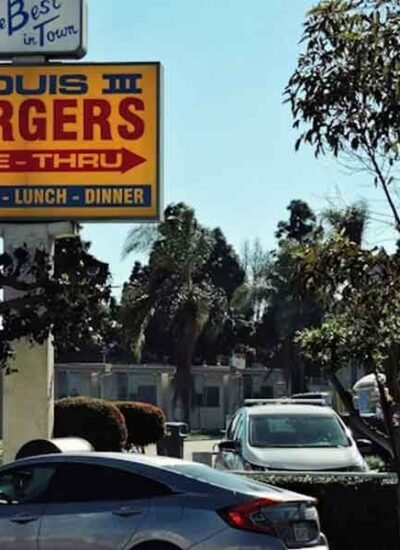
A beautifully designed logo reaches its full potential when displayed through high quality signage. Exterior and interior signs serve as one of the most influential branding touchpoints for restaurants because they are often the first visual impression customers encounter. Professional fabrication ensures that colors, shapes, and lettering remain consistent across materials and lighting conditions.
Working with a reliable sign company in Phoenix gives restaurants access to expert fabrication techniques, durable materials, and precise installation. This level of quality enhances the logo’s visibility and ensures it maintains its impact over time. Signage plays a key role in creating curb appeal, guiding guests, and reinforcing the overall brand experience. When a logo is displayed professionally, it communicates care, expertise, and attention to detail.
Using Color Theory to Shape Customer Perception
Color selection is one of the most powerful tools in logo development. Colors carry psychological associations that influence mood, appetite, and expectations. Many restaurants rely on warm tones to stimulate comfort and connection, while others use cool palettes to convey sophistication or freshness. Choosing the right combination not only defines the visual style but also enhances the emotional response customers feel when interacting with the brand.
It is important to consider how colors will appear across various applications such as menus, signage, packaging, and digital platforms. Consistent use of color strengthens recognition and helps maintain brand cohesion. Designers often create a structured palette with primary and secondary tones that give the restaurant flexibility while still keeping the brand unified. Thoughtful color decisions allow the logo to stand out while supporting the restaurant’s desired atmosphere.
Crafting Timeless Concepts That Support Long Term Growth
While trends can offer inspiration, the most successful restaurant logos have staying power. A logo should be designed with the future in mind, ensuring it remains relevant as the restaurant evolves. Timeless design focuses on clarity, balance, and simplicity while still incorporating meaningful elements that reflect the brand’s identity.
Restaurants benefit from considering how their logo will scale across different mediums, from small labels to large exterior signs. Versatility is especially important for businesses that plan to expand into new locations, add merchandise, or build a stronger digital presence. A well designed logo adapts effortlessly without losing its core character. Timeless concepts allow restaurants to maintain continuity as they grow, strengthening their long term brand equity.
Conclusion
A creative and well crafted logo is essential for establishing a strong restaurant identity. By defining a brand aligned style, incorporating custom illustrations, investing in professional signage, applying thoughtful color theory, and focusing on long term versatility, restaurants can build a logo that resonates with customers and supports their overall brand experience. A meaningful visual identity helps restaurants stand out, attract attention, and create a memorable presence in an ever evolving dining landscape.



Leave a Reply