
You know balancing parenting and education isn’t easy, especially with your busy schedule. It requires thoughtful planning and a few strategic adjustments to make it work. By setting clear priorities and creating a flexible schedule, you can manage both responsibilities more effectively. But what if you could also involve your family in this process and turn everyday moments into learning opportunities? Discovering how to weave education into your daily life might just be the key to achieving that balance you’ve been seeking. Let’s explore some practical tips that could change the game for you.
Set Clear Priorities
Setting clear priorities is essential for balancing parenting and education effectively. You need to identify what truly matters to you and your family. Start by listing your responsibilities, both as a parent and a student. This list will help you visualize your commitments and see where your energy should go.
Next, consider your goals. What do you want to achieve academically? What’re your children’s needs? By aligning your priorities with these goals, you’ll create a roadmap that guides your daily activities.
Don’t hesitate to categorize tasks as urgent, important, or manageable. This method will help you focus on what requires immediate attention and what can wait.
Create a Flexible Schedule
Creating a flexible schedule is essential for juggling the demands of parenting and education. Life can be unpredictable, especially with kids in the mix, so having a plan that adapts to your day-to-day reality is critical. Start by identifying your most important tasks, both for your children and your own learning. Write these down and prioritize them.
Next, carve out dedicated time slots for educational activities and parental responsibilities. But remember, flexibility is key. If an unexpected event arises—like a child getting sick or a last-minute school project—don’t hesitate to adjust your schedule. Use tools like digital calendars or planners to visualize your week, allowing for easy updates.
Consider block scheduling, where you group similar tasks together. This way, you can maintain focus and streamline your efforts.
Also, build in breaks for yourself and your kids; these moments are essential for recharging and maintaining motivation.
Ultimately, a flexible schedule helps you stay organized without feeling overwhelmed. Embrace the ebb and flow of daily life, and don’t be afraid to modify your plans as needed. You’ve got this!
Utilize Family Support
Managing a flexible schedule can be a challenge, but you don’t have to go it alone. Leaning on family support can make a world of difference in balancing your parenting and educational responsibilities. Reach out to relatives who are enthusiastic to help; a supportive grandparent or sibling can provide invaluable assistance.
Consider arranging a regular family schedule where everyone pitches in. For instance, if your parents can take the kids for a few hours each week, you can use that time to focus on your studies or self-care.
It’s also an opportunity for your children to bond with family members, enriching their lives in the process.
Don’t hesitate to share your needs with your family. They may not realize how overwhelmed you feel, and opening up can lead to more support.
Whether it’s running errands, helping with homework, or just providing a listening ear, family members often want to contribute.
Incorporate Learning Into Daily Life
Incorporating learning into daily life can transform routine activities into valuable educational experiences for your children. You don’t need to set aside hours for formal lessons; everyday moments can become rich learning opportunities.
Here are three simple ways to integrate education seamlessly into your day:
- Cooking Together: Involve your kids in meal prep. As you measure ingredients, talk about measurements and fractions. Discuss nutrition and encourage them to read recipes. This not only teaches math and reading skills but also fosters a love for cooking.
- Grocery Shopping: Turn grocery trips into a math lesson. Have your children calculate the total cost of items or compare prices. Discuss healthy choices and budgets, making them aware of financial literacy while shopping.
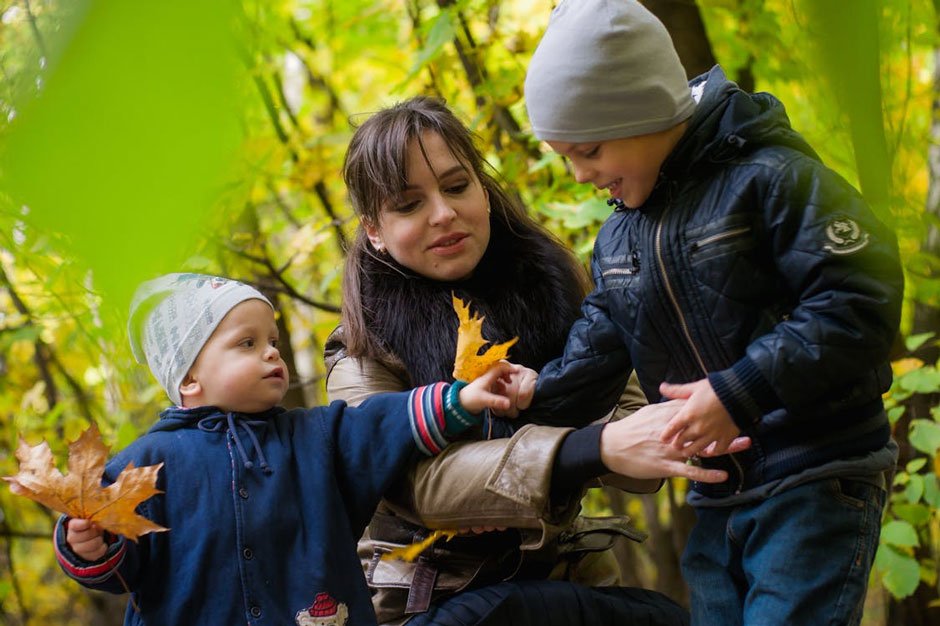
- Nature Walks: Use walks as a chance to explore the natural world. Encourage your kids to observe and ask questions about plants and animals. This can lead to discussions on biology and ecology, sparking their curiosity about science.
Leverage Online Resources
As you navigate the challenges of balancing parenting and education, leveraging online resources can be a game-changer for both you and your children. The internet is packed with tools that can support learning while fitting into your busy schedule.
Websites like Khan Academy and PBS Kids offer engaging, educational content that makes learning fun and accessible at home. You can find online courses, videos, and interactive games that cater to various age groups and subjects.
These resources allow your kids to learn at their own pace, freeing up some of your time for other responsibilities. Plus, many platforms provide progress tracking, which is especially helpful if your child is enrolled in an online high school.
Don’t overlook the power of educational apps that promote skill-building in a playful way, whether it’s math, reading, or science.
Additionally, forums and social media groups can connect you with other parents, offering support and sharing ideas for effective learning strategies.
Practice Self-Care
Self-care isn’t just a luxury; it’s a necessity for busy parents working hard to balance their responsibilities.
When you prioritize your well-being, you’re better equipped to handle the challenges of parenting and education. Taking time for yourself isn’t selfish; it’s essential.
Here are three practical self-care tips to help you recharge:
- Schedule “Me Time”: Block out a few minutes each day dedicated just to you. Whether it’s reading a book, taking a walk, or enjoying a warm bath, make this time non-negotiable.
- Practice Mindfulness: Incorporate mindfulness techniques like meditation or deep-breathing exercises into your routine. These can help reduce stress and clear your mind, allowing you to approach your day with a fresh perspective.
- Connect with Others: Reach out to friends or family for a chat or plan a coffee date. Surrounding yourself with supportive people can uplift your spirits and provide a much-needed break.
Communicate Openly With Children
Open and honest communication with your children is essential for building trust and understanding in your relationship. By fostering an environment where your kids feel comfortable expressing their thoughts and feelings, you create a strong foundation for healthy interactions.
Start by actively listening when they speak. Show genuine interest in what they say, and validate their feelings, even if you don’t always agree. This lets them know their opinions matter.
Make it a habit to check in regularly. Ask open-ended questions about their day, their friendships, or any concerns they might have. This encourages them to share more, and it also gives you insight into their world.
Be mindful of your tone and body language; both can greatly impact how your message is received.
Don’t shy away from discussing difficult topics, too. It’s important your children know they can come to you with anything, without fear of judgment.
Celebrate Small Achievements
Recognizing and celebrating small achievements can greatly boost your child’s confidence and motivation. When you acknowledge their efforts, you’re reinforcing positive behaviors and encouraging them to keep working toward success.
It’s important to make this a regular practice in your parenting.
Here are three effective ways to celebrate small wins:
- Verbal Praise: Use specific and genuine compliments. Instead of just saying, “Good job!” try, “I’m so proud of how you handled that math problem!” This shows that you’re paying attention.
- Create a Reward System: Whether it’s a sticker chart or small treats, a visual representation of their accomplishments can be a fun motivator. Make sure the rewards are meaningful to your child.
- Share Achievements with Family: Let grandparents or relatives know about your child’s progress. This not only makes your child feel special but also builds a supportive network around them.
Conclusion
Balancing parenting and education might feel like juggling flaming swords while riding a unicycle, but with the right strategies, you can thrive. By setting priorities, creating flexible schedules, and involving family, you’ll find harmony in your busy life. Don’t forget to incorporate learning into everyday moments and take care of yourself. Celebrate each small victory, as these steps lead to a fulfilling journey for both you and your children. You’ve got this—one day at a time!




Leave a Reply