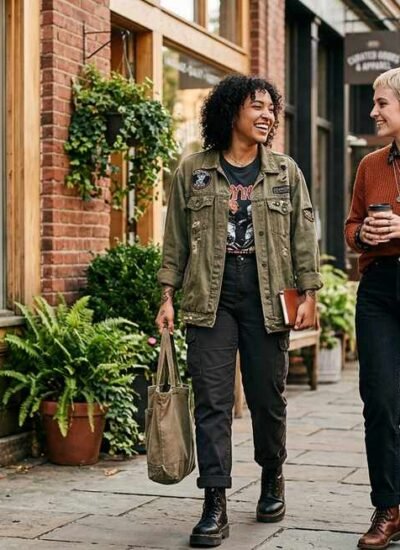
Pick up an Alternative Apparel tee and the difference hits your fingertips before you read the label. A soft, slightly worn-in hand feel — the kind most brands spend years chasing with fabric softener tricks — comes standard here, straight out of the bag. Founded in 1995, this brand built a quiet empire on vintage-inspired basics made with organic and recycled materials, back when “sustainable fashion” was a niche concern, not a boardroom talking point.
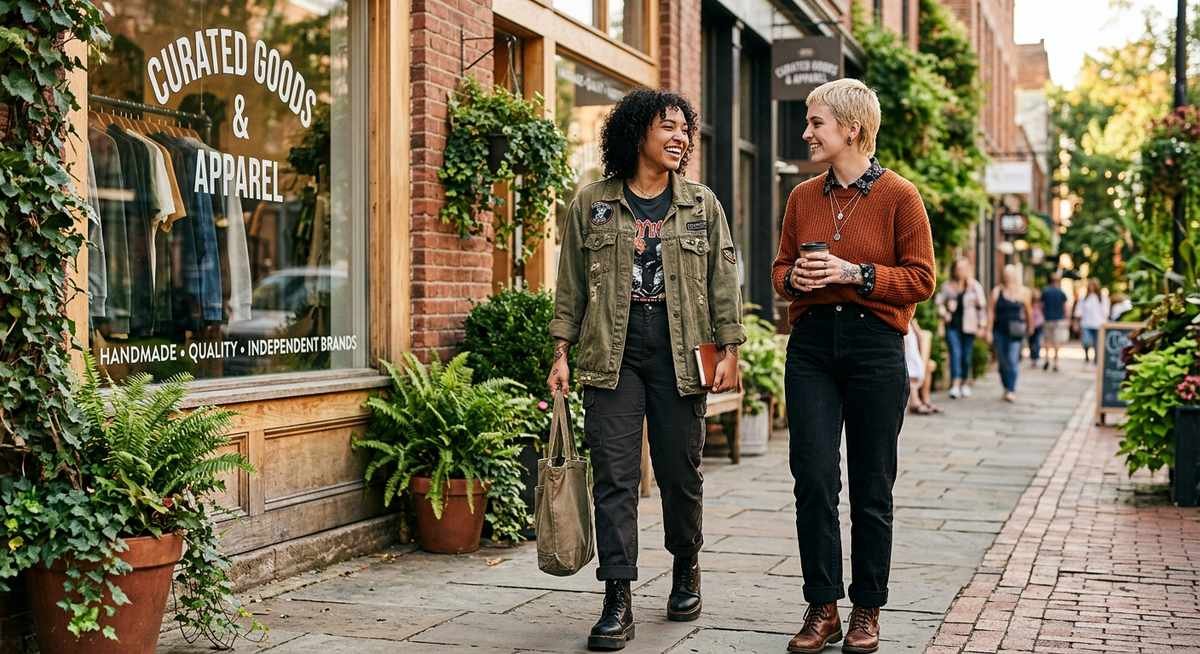
Complete guide to Alternative Apparel — brand history, fabric quality, sizing, and where to buy wholesale or retail
That tactile quality is what draws three very different groups of buyers. Everyday shoppers want basics that actually feel premium. Custom printers and print-on-demand sellers want blanks that hold ink cleanly and photograph well on a product page. Wholesale buyers want eco-credentials they can stamp on a hang tag and actually defend.
Below: the full brand story, fabric breakdowns, how sizing stacks up against Bella+Canvas and Next Level, and a concrete purchasing guide — single pieces through bulk orders.
What Is Alternative Apparel? Brand History and Identity

Founding and Brand Mission
Alternative Apparel started in Atlanta in 1995 before relocating to Los Angeles — a move that aligned the brand with LA’s garment manufacturing infrastructure and the West Coast’s growing appetite for laid-back, eco-conscious basics. The founding idea was simple: make clothing that looks and feels broken-in from day one, using garment-dyeing and enzyme-washing techniques that soften fabric at the fiber level rather than coating it with chemical finishes that wash out after three cycles.
From the start, responsible sourcing wasn’t an afterthought. Organic cotton and low-impact dyes were baked into the product development process. That early commitment is why Alternative Apparel now carries GOTS-certified organic cotton and recycled materials across a significant share of its catalog — it’s a founding principle, not a 2020 rebrand.
Who Wears Alternative Apparel
Three distinct audiences drive this brand’s market, and each values it for different reasons.
| Audience | Primary Need | Why Alternative Apparel Fits |
|---|---|---|
| Everyday consumers | Premium-feel basics for daily wear | Soft hand feel, flattering relaxed fits, certified eco materials |
| Print-on-demand sellers and decorators | Quality blanks that hold DTG and screen-print ink | Ring-spun combed cotton, consistent sizing, premium retail positioning |
| Wholesale and branded merch buyers | Scalable product lines for company or event merchandise | Wide style range, wholesale pricing tiers, marketable sustainability story |
For print-on-demand sellers, Alternative Apparel hits a sweet spot that’s hard to find elsewhere: softer and more fashion-forward than commodity blanks like Gildan Heavy Cotton, yet priced accessibly enough to maintain healthy margins on decorated finished products.
Sustainability and Eco-Friendly Manufacturing
Sustainability claims are easy to make and hard to verify. Alternative Apparel backs theirs with third-party certifications that actually mean something in the supply chain.
Organic and Recycled Fabrics
Many styles use Global Organic Textile Standard (GOTS)-certified organic cotton. GOTS is one of the more rigorous certifications in textiles — it covers the entire pipeline from cotton field to finished garment, prohibiting toxic pesticides, synthetic fertilizers, and harmful processing chemicals at every stage. Separate from GOTS, many Alternative Apparel pieces also carry Oeko-Tex Standard 100 certification, which independently tests every fabric component — thread, buttons, dyes — for harmful substances.
Recycled polyester shows up in select fleece and performance styles, diverting post-consumer plastic from landfill. The brand’s signature garment-dyeing process uses low-impact dyes that produce significantly less water contamination than conventional reactive dyeing.
| Certification | What It Covers | Buyer Benefit |
|---|---|---|
| GOTS (Global Organic Textile Standard) | Full supply chain: farming, processing, manufacturing | Verified organic from field to finished garment |
| Oeko-Tex Standard 100 | Every fabric component tested for harmful substances | Safe for skin contact; marketable to health-conscious buyers |
| Low-Impact Dyes | Dyeing process uses reduced water and no heavy metals | Lower environmental footprint per garment produced |
Ethical Manufacturing
Alternative Apparel has maintained domestic and near-shore production, with cutting and sewing operations historically based in Los Angeles and sourcing partnerships across Central America. Shorter supply chains mean lower transportation emissions and faster quality-control loops compared to brands producing exclusively in Southeast Asia. The garment-dyeing process itself is structurally more water-efficient than yarn or piece dyeing — a built-in advantage that doesn’t require extra investment to maintain.
Why Certifications Matter for Buyers
For everyday shoppers, certifications like GOTS and Oeko-Tex function as trust signals that remove guesswork from vague “eco-friendly” marketing. For print-on-demand sellers and merch buyers, the math is straightforward: an Alternative Apparel eco-fleece hoodie can be marketed as a certified sustainable product, commanding higher retail prices and differentiating a storefront from competitors selling uncertified blanks at similar wholesale cost.
Product Categories, Fabric Quality and Best-Selling Styles
The catalog centers on soft everyday basics — t-shirts, hoodies, joggers, and women’s styles — all built around that signature worn-in feel. Garment dyeing and enzyme washing produce the softness, with zero break-in period required.
Core Product Lines
The t-shirt range is where Alternative Apparel built its name. The Go-To Tee is the brand’s flagship — a relaxed, slightly boxy unisex cut in 100% organic cotton that works equally well as a retail basic or a print-on-demand canvas. The Keeper Tee runs slimmer and is a frequent pick for branded merchandise programs that want a more tailored look without losing the softness.
In outerwear, the Champ Eco-Fleece Hoodie — cotton-polyester eco-fleece construction — consistently ranks among the brand’s best-performing wholesale styles. The Rocky Eco-Fleece Sweatshirt, a crewneck variant, appeals to buyers who want the same fabric weight in a cleaner, logo-friendly silhouette. Joggers and fleece bottoms complete the loungewear offering, and most women’s and unisex lines share the same fabric platforms, making coordinated capsule collections easy to build.
Signature Fabric Blends
| Fabric Construction | Key Styles | Hand Feel vs. Standard Blanks |
|---|---|---|
| 100% Organic Cotton | Go-To Tee, Keeper Tee | Noticeably softer; worn-in from first wear |
| Cotton-Modal Blend | Select tanks and tees | Drapier, almost silky — reads more retail than blank |
| Cotton-Poly Eco-Fleece | Champ Hoodie, Rocky Sweatshirt | Midweight, structured; excellent shape retention |
| Tri-Blend (Cotton/Poly/Rayon) | Vintage-inspired tees | Lightweight, heathered texture; most delicate hand |
Pure organic cotton styles deliver the most breathable, natural hand feel — noticeably different from standard ring-spun cotton blanks. Cotton-modal blends add a drape that reads closer to a $40 retail tee than a wholesale blank. Tri-blends produce that vintage heathered look but require more care during decoration.
Print and Decoration Compatibility
Alternative Apparel’s ring-spun and combed cotton tees hold both DTG (direct-to-garment) and screen-print ink well, producing sharp, vibrant results with standard cure temperatures. The 100% organic cotton styles — Go-To Tee and Keeper Tee — are the most decorator-friendly: consistent fabric surface, minimal pilling, and reliable ink adhesion across production runs.
Tri-blend styles need extra attention. The rayon content lowers the fabric’s heat tolerance, so decorators should reduce cure temperatures by roughly 15-25 degrees Fahrenheit and consider using water-based or discharge inks instead of standard plastisol. Cotton-poly eco-fleece responds well to both screen printing and embroidery, making the Champ Hoodie and Rocky Sweatshirt solid choices for branded merchandise that needs a premium hand feel.
Alternative Apparel Sizing Guide and Fit Breakdown
Alternative Apparel runs slightly smaller than standard US sizing, especially in unisex styles. Most customers between sizes should go up one. Women’s cuts follow a more fitted silhouette, while unisex styles offer a relaxed, slightly boxy drape that reads as intentionally casual rather than oversized.
| Brand | Fit Style | Sizing Tendency | Post-Wash Shrink |
|---|---|---|---|
| Alternative Apparel | Relaxed / Vintage | Runs slightly small; size up | Moderate (garment-dyed) |
| Bella+Canvas | Slim / Modern | True to size | Minimal |
| Next Level | Fitted | Runs true to slightly small | Minimal to moderate |
The unisex Go-To Tee is cut with a slightly dropped shoulder and chest-forward fit. Women’s styles like the Ideal Tee taper through the waist and run closer to a junior sizing scale — sizing up one delivers that relaxed droop without losing structure. Garment-dyed fabrics can shrink slightly after the first wash, so decorators should always pre-wash blanks before printing.
A practical tip for print-on-demand sellers: order a size run sample before committing to bulk. Chest width varies noticeably between styles, not just between brands. Alternative Apparel publishes garment measurements on its product pages — always cross-reference those against body measurements rather than guessing from S/M/L labels.
Where to Buy Alternative Apparel
Buying options split cleanly based on whether you need one shirt or a thousand.
Retail and Single-Piece Purchases
AlternativeApparel.com carries the full catalog with direct-to-consumer pricing and the most current colorways. Amazon stocks a wide selection of core styles — the Go-To Tee and Champ Hoodie are consistently available — often with Prime shipping. Macy’s carries a curated men’s selection online. For impulse buys or gift shopping, the official site tends to offer the broadest size and color availability.
Wholesale and Bulk Orders
Blank apparel distributors are where the real volume pricing lives. The major wholesale channels for Alternative Apparel blanks include:
- S&S Activewear — one of the largest blank apparel distributors in North America, carrying the full Alternative Apparel wholesale catalog with tiered pricing on volume orders
- SanMar — major distributor with strong logistics and decoration-ready inventory; particularly popular with corporate merchandise programs
- alphabroder — carries Alternative Apparel alongside competing blank brands, making cross-brand comparison easy for bulk buyers
- Blankstyle — online wholesale retailer specializing in blank apparel with no minimum order requirements, useful for small print-on-demand operations testing new styles
Wholesale pricing typically runs 40-60% below retail depending on volume and style. Most distributors offer decoration-ready inventory — pre-sorted, folded, and poly-bagged — which saves significant prep time for screen printers and DTG operations.
Print-on-Demand Platforms
Several print-on-demand services stock Alternative Apparel blanks in their fulfillment centers, meaning sellers can list products without holding inventory. Availability varies by platform and rotates seasonally, so check current catalogs on platforms like Printful and Gooten before building product listings around specific styles.
Frequently Asked Questions
What is Alternative Apparel known for?
Soft, vintage-inspired basics made with organic and recycled materials. The brand’s garment-dyeing process gives every piece a worn-in feel straight out of the bag — no break-in period. GOTS and Oeko-Tex certifications back the sustainability claims with third-party verification.
Is Alternative Apparel eco-friendly?
Yes, with verifiable credentials. Many styles carry GOTS-certified organic cotton and Oeko-Tex Standard 100 certification. The brand uses low-impact dyes, recycled polyester in select styles, and has historically maintained domestic manufacturing in Los Angeles — shorter supply chains with lower emissions.
Where can I buy Alternative Apparel wholesale?
Major blank apparel distributors including S&S Activewear, SanMar, alphabroder, and Blankstyle carry the wholesale line. Volume pricing typically runs 40-60% below retail. Blankstyle is a good starting point for small orders since they have no minimum quantity requirements.
How does Alternative Apparel sizing compare to Bella+Canvas?
Alternative Apparel runs slightly smaller than Bella+Canvas, particularly in unisex styles. The garment-dyed fabrics may also shrink slightly after the first wash. If you typically wear a medium in Bella+Canvas, try ordering both a medium and large from Alternative Apparel to compare — chest width is where the difference is most noticeable.
What is the difference between Alternative Apparel and American Apparel?
Despite similar names, they are completely separate brands. Alternative Apparel focuses on eco-conscious, garment-dyed basics with a relaxed vintage aesthetic. American Apparel is known for fashion-forward basics with a slimmer, more contemporary fit. Alternative Apparel leans heavier on sustainability certifications; American Apparel emphasizes bold colors and trend-driven silhouettes.
Are Alternative Apparel shirts good for screen printing?
The 100% organic cotton styles (Go-To Tee, Keeper Tee) are excellent for both screen printing and DTG. Ring-spun combed cotton provides a smooth, consistent surface for sharp ink adhesion. Tri-blend styles work too but require lower cure temperatures due to rayon content — reduce heat by 15-25 degrees Fahrenheit and consider water-based inks.


Leave a Reply