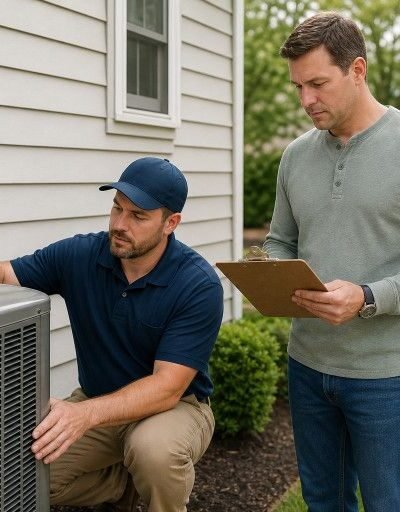
When an air conditioner stops cooling properly, homeowners often face a stressful question: repair it or replace it? The right answer is rarely based on one symptom or one sales pitch. It depends on the system’s age, repair history, efficiency, comfort performance, and the likely cost of keeping it running. It is also worth considering how the decision affects humidity control, energy use, and related air quality services for the home.
A breakdown does not automatically mean the entire AC system has reached the end of its life. A modest repair can be a sensible choice for a newer, well-maintained unit. On the other hand, repeatedly paying for major repairs on an aging system can become more expensive and inconvenient than planning a replacement.
Why the Choice Matters
Replacing an air conditioner is a significant household investment, while postponing a necessary replacement can lead to unexpected summer breakdowns, higher utility bills, and uneven comfort. Many central air conditioners can provide roughly 15 to 20 years of service, although climate, installation quality, maintenance, and daily use can greatly affect that timeline. The goal is not to replace equipment simply because it is old. The goal is to make a practical decision based on its condition and expected reliability.
When AC Repair Makes Sense
Repair is often the more reasonable option when the system is under 10 years old, has been maintained consistently, and has a single identifiable problem. Smaller components, including capacitors, contactors, thermostats, and condensate drain parts, can fail without indicating that the entire system is failing.
The repair cost is modest compared with replacement.
The system still cools rooms evenly and manages humidity effectively.
There is no major refrigerant leak, compressor issue, or coil damage.
The equipment has not required repeated service in recent years.
For example, a seven-year-old AC system with a failed capacitor may need a straightforward repair rather than a new outdoor unit. A qualified diagnosis should identify the failed part and check for underlying issues before work begins.
When Replacement May Be Smarter
Replacement becomes more appealing when an aging system develops expensive or recurring problems. A unit that needs one major repair after another may still operate, but its reliability can become difficult to justify, especially during periods of extreme heat.

The AC is around 12 to 15 years old or older.
The compressor, evaporator coil, or condenser coil has a serious problem.
Cooling is uneven, airflow is weak, or humidity remains high indoors.
Energy bills rise despite no meaningful change in household usage.
Refrigerant service is needed repeatedly or replacement parts are difficult to find.
Age alone should not make the decision. A carefully maintained older system may still be worth repairing, while a newer but poorly installed system could have persistent problems that warrant a closer replacement comparison.
How Refrigerant Affects the Decision
Refrigerant type is an increasingly important part of AC planning in 2026. Federal rules are moving new air-conditioning equipment toward lower global-warming-potential refrigerants, while many existing systems remain serviceable with their original approved refrigerant. A working older unit does not automatically need to be removed just because newer equipment uses a different refrigerant.
Never add an unapproved refrigerant, mix refrigerants, or attempt a conversion without manufacturer-approved procedures. A technician should identify the refrigerant, locate and repair leaks when practical, and explain the options. The EPA’s refrigerant transition information provides helpful context on how federal technology-transition rules affect air-conditioning equipment.
Using the 50 Percent Rule
The 50 percent rule is a useful starting point, not a strict formula. If a repair approaches half the installed cost of a comparable replacement, it is time to examine the larger financial picture.
Request a detailed written repair estimate.
Ask for the installed cost of a properly sized replacement system.
Compare the repair amount with approximately half of replacement cost.
Consider the system’s age, maintenance history, and risk of another repair.
Include likely energy savings, warranty coverage, and available incentives.
For instance, a $2,400 repair compared with a $6,800 replacement equals about 35 percent of the replacement price. That may support repair, but a 14-year-old unit with recent breakdowns could still make replacement the better long-term choice.
Check Energy Efficiency and Comfort
Equipment price is only part of the cost. Ask about the system’s SEER2 rating, expected operating costs, humidity performance, and whether the equipment will be sized correctly for the home. Oversized and undersized systems can both create comfort problems. Duct leaks, poor insulation, and restricted airflow can also make a good AC system perform poorly.
The Department of Energy’s central air conditioner and heat pump guidance can help homeowners understand efficiency standards and ratings. A contractor should also explain how the selected system will be commissioned, tested, and matched to the home’s airflow needs.
Before comparing quotes, document what has changed in the home. Note the dates of recent service visits, the rooms that feel uncomfortable, and whether the problem occurs only during the hottest afternoons or throughout the day. Check the return-air filter, confirm that supply vents are open, and look for obvious ice, water, or unusual sounds. These observations do not replace professional testing, but they give the technician useful context and can reduce the chance of paying for an incomplete diagnosis. Keep copies of invoices and model numbers, because they help establish warranty status, equipment age, and patterns in failures.
Installation quality matters just as much as the name on the equipment cabinet. If replacement is under consideration, ask whether the contractor will perform a load calculation rather than choosing capacity solely from the old system. The evaluation should account for square footage, insulation, windows, orientation, occupancy, ductwork, and local climate. It should also address electrical requirements, drainage, refrigerant line condition, and outdoor unit location. A high-efficiency system cannot deliver its advertised comfort or savings if airflow is incorrect or ducts lose conditioned air. Request that key assumptions and recommended improvements be written into the proposal, along with startup testing.
Think about timing as well as price. Scheduling a planned replacement before a complete failure may allow more time to compare options, review financing, and coordinate related work such as duct repairs or thermostat upgrades. Emergency replacement may still be necessary, but it can narrow choices when temperatures are extreme and the household needs cooling immediately. If an older unit is currently operating, set aside a reserve and request an estimate before peak season. This approach does not require replacing functional equipment prematurely. Instead, it gives the homeowner time to choose a matched system without making a rushed decision.
Finally, consider the value of maintenance after either decision. For a repaired system, follow the technician’s recommendations for filter changes, drain cleaning, and seasonal inspection. For a new system, register the warranty promptly and retain installation documents. Regular service does not guarantee that every part will last indefinitely, but it can reveal developing concerns before they become disruptive. Homeowners should also pay attention to daily comfort after work is completed. Confirm that the thermostat responds correctly, air reaches each room, and moisture does not build up indoors. Report unresolved concerns quickly while workmanship and parts warranties are easy to review.
Questions to Ask Before Approving Work
What caused the failure, and can it be repaired safely?
How long is this repair expected to last?
Is the system leaking refrigerant?
What is the condition of the compressor and coils?
What would a comparable replacement cost, including labor and permits?
What warranty applies to the repair or new equipment?
Will a replacement be properly sized and fully commissioned?
A Simple Repair-or-Replace Checklist
Repair May Be Reasonable If:
The system is relatively young and has a good maintenance record.
The issue is isolated and does not involve major components.
The repair costs well below half of replacement.
Cooling, airflow, and humidity control remain acceptable.
Replacement May Be Reasonable If:
The unit is near the end of its expected service life.
Several repairs have occurred recently.
The repair involves a compressor, coil, or significant refrigerant leak.
The home remains too warm, humid, or unevenly cooled.
Common Questions
Should a Working Older AC System Be Replaced?
Not necessarily. A working system can remain in service when it is safe, dependable, and affordable to operate. However, planning ahead for eventual replacement can prevent an emergency decision during peak cooling season.
Can a New Refrigerant Be Added to an Older System?
Not by default. Refrigerants are not interchangeable, and the equipment label, manufacturer requirements, design limits, and safety rules should guide any service decision.
How Many Estimates Should a Homeowner Get?
For major repairs or replacement, compare at least two or three clear written estimates. Each should identify equipment, labor, permits, warranty coverage, disposal, and any accessories or electrical work included.
Final Takeaway
AC repair or replacement should be based on evidence, not pressure. A professional diagnosis, written cost comparison, review of system age, and honest assessment of comfort and reliability can make the choice much clearer. Looking at the full picture helps protect both household comfort and long-term finances.

Leave a Reply