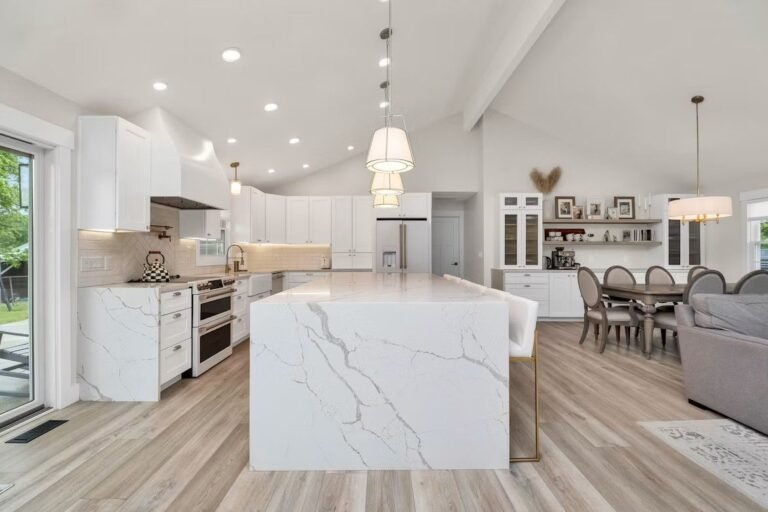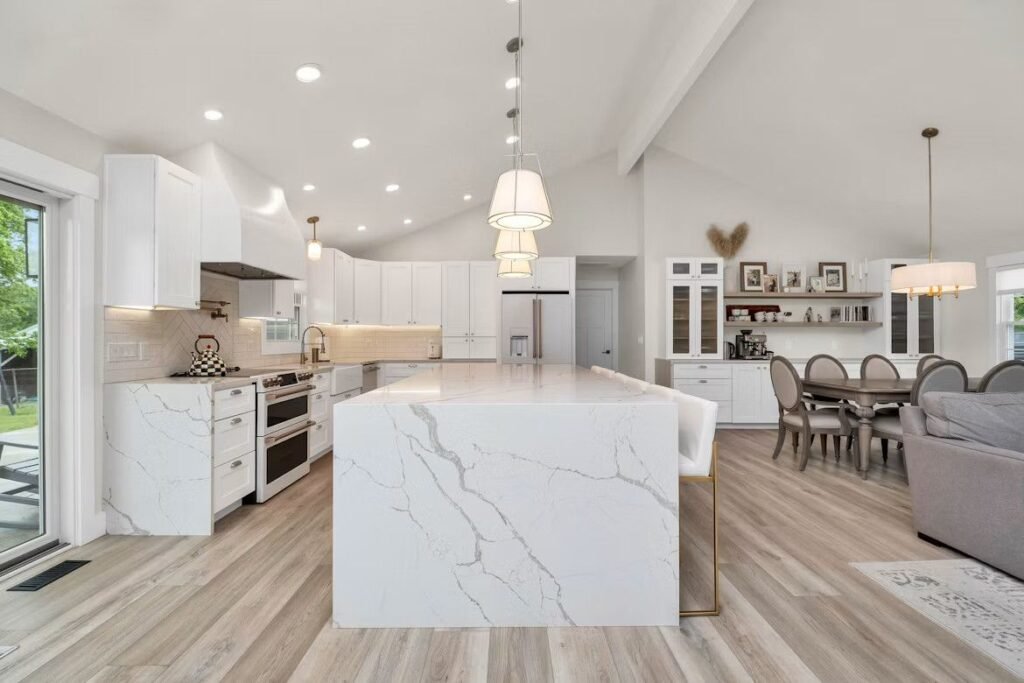
A home remodel can improve the way your space looks and functions, but the work can quickly disrupt everyday life. Dust travels into nearby rooms, furniture blocks walkways, and tools seem to appear on every available surface.
A simple home organization plan will help you keep the mess within clear boundaries. Before work starts, decide where you’ll relax, which belongings need extra protection and how everyone involved will handle cleanup at the end of each day.
Set Up a Temporary Living Zone
Choose one room away from the main work area and turn it into your temporary living zone. Include the basics you use every day, such as phone chargers, a small table, comfortable seating and a basket for mail. If the kitchen is being remodeled, add a microwave, electric kettle and compact refrigerator where electrical outlets can safely support them.
Keep this room off-limits to tools and building materials. For a project that affects several rooms, consider moving nonessential belongings into secure storage. Clearing those items early gives you more usable space and reduces the number of things you’ll need to clean later.
Protect Valuables from Drywall Dust
Fine remodeling dust can pass through small gaps and settle inside drawers, cabinets and electronics. Move artwork, books, small appliances and fabric decor out of the work zone before demolition begins. Cover anything that must stay with thick plastic sheeting and seal the edges with painter’s tape.
Good home protection tips include covering air vents near the project and creating plastic barriers between active work areas and occupied rooms. Ask contractors how they plan to control dust before work starts. Keep interior doors closed and place washable mats on both sides of the work-zone entrance so people don’t track debris through the house.
Clear Out Bulky Furniture with Secure Storage
Large furniture makes remodeling slower and leaves fewer safe routes through the room. Remove sofas, dining tables, shelving units and freestanding cabinets before materials arrive. Measure doorways first and label any hardware you remove, then tape the labeled bag to the furniture or place all hardware in one clearly marked container.
If you need temporary space, compare access arrangements, weather protection and container sizes before booking. This guide to temporary storage needs explains where container rental can fit into a short-term project. Photograph valuable pieces before moving them and use clean covers that protect upholstery without trapping moisture.
Establish Daily Cleanup Routines
Set aside 15 to 20 minutes for cleanup at the end of each workday. Remove scraps, gather loose packaging and return tools to one designated location. Sweep or vacuum the path between the entrance and work area, paying close attention to stairs and doorways where small debris can become a trip hazard.
Practical advice for minimizing renovation mess also emphasizes planning for debris removal and protecting surfaces before work begins. Keep a lidded trash can near the project and separate reusable materials where appropriate. A final check each evening should leave exits clear, protective coverings secure, and the temporary living zone ready for normal use.
Remodeling feels far more manageable when the disorder has a defined place. At the end of the day, you should be able to close the work-zone door, sit down in a clean room and find your charger without searching through a stack of boxes.
Related Posts





I love having dance parties in the kitchen with my family, traveling, and mason jar creations.
Follow on Pinterest