Home maintenance gets expensive when a simple weekend project turns into an injury, damaged materials or a repair that needs to be done twice. The smartest DIY decisions start with an honest look at the job, your experience and the tools required. Some projects are satisfying and affordable to handle yourself. Others carry risks that make professional help a better value from the start.
Evaluate Project Safety and Height Risks
Before buying supplies, list the hazards involved. Electricity, gas, structural changes, hazardous materials and work above one story usually call for trained help. Homes built before 1978 may also contain lead-based paint, so review the EPA’s lead-safe renovation guidance before sanding or disturbing painted surfaces.
Exterior drainage work deserves similar caution. If reaching the gutters requires an extension ladder or walking on a roof, hiring a gutter cleaning company keeps you on the ground while trained crews handle the debris. For a broader review of household trouble spots, use this home safety maintenance checklist to identify issues before they grow.
Tackle Cosmetic Updates on Your Own
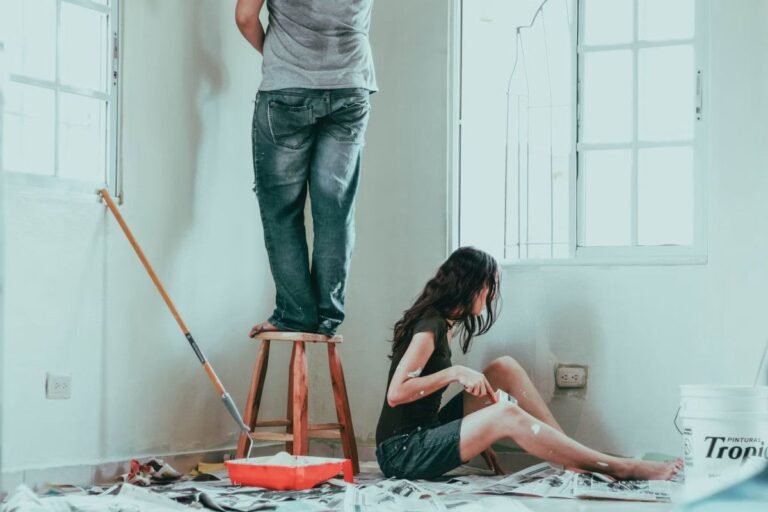
Cosmetic projects are often good DIY candidates because mistakes usually remain visible and fixable. Painting a small room, replacing cabinet handles, applying removable wallpaper and refreshing caulk can improve a space without opening walls or changing essential systems.
Keep the first project manageable. A powder room may take one weekend to prepare and paint, while repainting an entire open-plan living area could stretch over several days. Read product instructions, protect floors and test colors or finishes in a hidden area. Stop if you uncover soft drywall, widespread staining or persistent moisture. Those signs point to an underlying problem that a fresh coat of paint won’t solve.
Delegate Dangerous Ladder Tasks Safely
A six-foot stepladder used on a dry, level floor presents a different challenge from an extension ladder resting near a roofline. Outdoor tasks become especially risky when wind, wet surfaces, uneven soil or overhead lines enter the picture. Tree trimming, roof repairs and second-story exterior cleaning are sensible jobs to delegate.
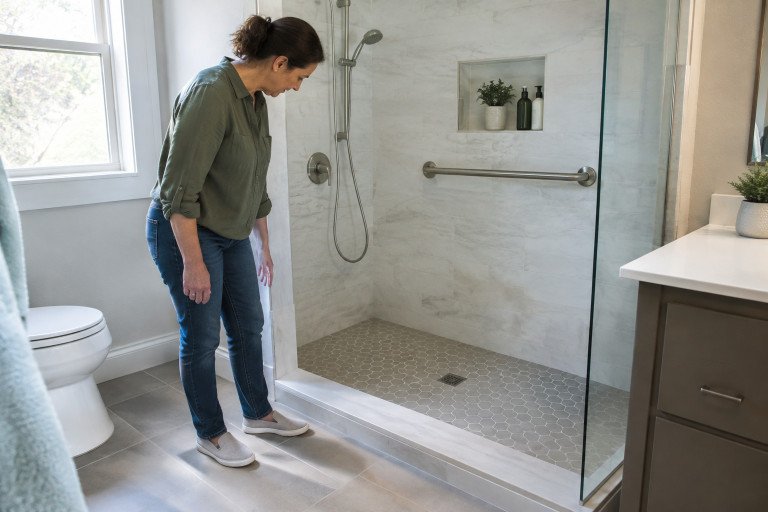
When hiring help, explain the scope clearly and ask how the crew protects your property. Confirm insurance coverage, request a written estimate and clarify who removes debris. A professional home safety assessment can also uncover fall hazards or maintenance concerns you may miss during a casual walk-through. Reliable providers should answer questions directly and describe how they’ll complete the work.
Calculate the True Value of Time Saved
A DIY project’s real cost includes supplies, equipment rental, cleanup and the hours spent learning the process. Suppose a repair needs $80 in materials, a $50 tool rental and most of Saturday. A $220 professional quote may offer better value once you account for your time and the chance of buying extra materials after an error.
Consider how often you’ll use the required tools. Purchasing a quality drill for recurring household projects makes sense. Buying specialized equipment for a task completed once every few years rarely does. Also compare warranties and follow-up service. If a contractor guarantees the work, that protection has practical value when a leak, loose fitting or failed finish appears later.
DIY home care works best when the task is accessible, reversible and comfortably within your skill set. Save the ambitious work for trained professionals, then spend your weekend on improvements you can finish safely and enjoy once the tools are put away.
Related Posts





I love having dance parties in the kitchen with my family, traveling, and mason jar creations.
Follow on Pinterest