Sustainability in a commercial bakery is not limited to recyclable packaging or energy-efficient ovens. It also depends on how ingredients are measured, how dough is handled, how accurately products are portioned, and how closely production matches demand. Small inefficiencies repeated across hundreds of items can create a surprising amount of waste.
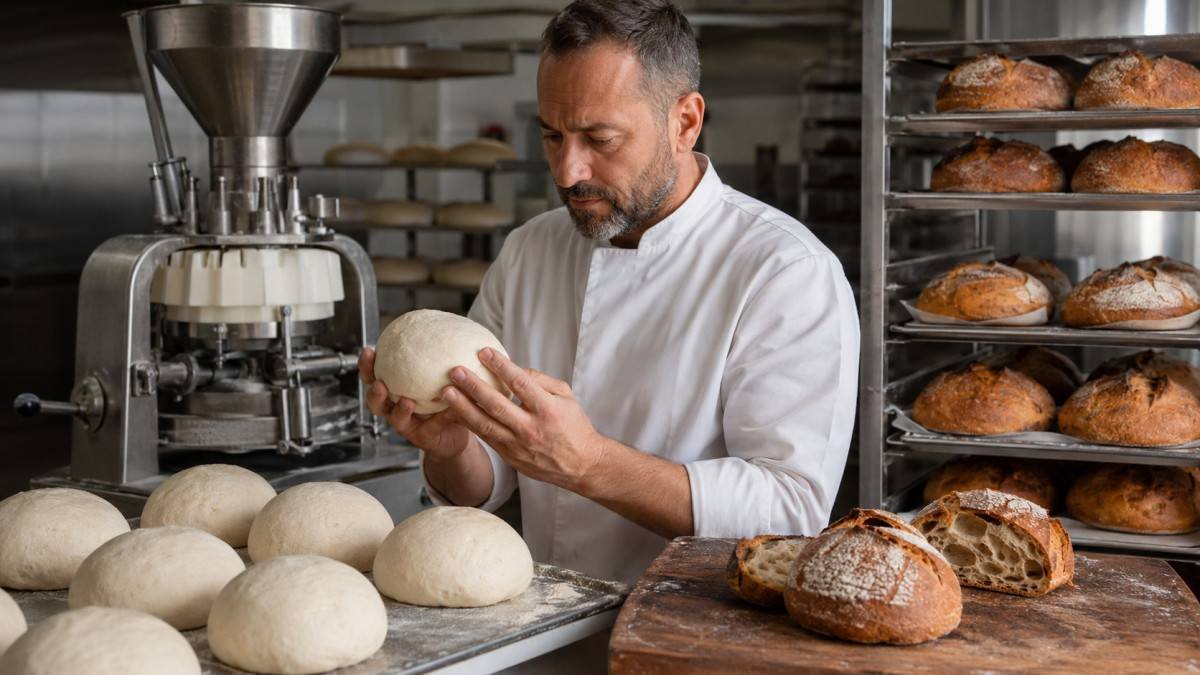
A professional Dough Divider can support more responsible production by dividing large dough batches into more consistent portions. Accurate portioning can reduce unnecessary ingredient loss, make batch yields easier to predict, and improve the use of labour and equipment. When combined with good planning and regular quality checks, it becomes part of a wider effort to operate more efficiently.
Sustainability Begins With Accurate Measurement
The first step toward reducing bakery waste is accurate measurement. Flour, water, yeast, salt, sugar, fats, and other ingredients should be weighed according to a controlled recipe.
Small measuring errors can affect dough texture, fermentation, and final yield. Too much flour may create a dry dough, while excess water can make processing difficult. Incorrect yeast or sugar levels may also change proofing time and baking results.
Standardized recipes make successful batches easier to repeat. They also help managers understand where waste is occurring. When ingredient quantities, batch size, and finished output are recorded, expected yield can be compared with actual yield.
Portion Control Protects Raw Materials
One of the easiest ways to lose ingredients is to make every product slightly heavier than required. A few extra grams may not seem important, but the cost becomes significant across large production volumes.
A bakery producing thousands of rolls each week may use many kilograms of additional dough when portion weights are not controlled. The bakery pays for the ingredients, mixing time, proofing space, oven energy, and packaging, but may not receive additional income.
Portions that are too small are also wasteful. They may be rejected, fail to meet customer expectations, or force the bakery to prepare an extra batch. Consistent portioning helps each batch produce the expected number of finished items.
Better Forecasting Reduces Overproduction
Bread, buns, rolls, and pastries often have a short period of peak freshness. When production exceeds demand, products may need to be discounted, donated, repurposed, or discarded.
Preventing unnecessary overproduction is usually more efficient than dealing with surplus later. Bakeries should review sales history, weekdays, seasonal demand, local events, and confirmed customer orders before deciding how much to produce.
Accurate dough yield makes forecasting more reliable. When managers know how many products a batch should produce, they can prepare quantities closer to expected demand and reduce both shortages and excess stock.
Consistency Can Lower Baking Waste
Uneven dough portions may not bake at the same speed. Smaller pieces can become too dry or dark, while larger pieces may remain underbaked in the centre.
Rejected products represent more than wasted dough. They also use employee time, proofing space, oven energy, cooling time, and packaging materials.
Similar portions are more likely to respond evenly to the same proofing and baking conditions. This makes it easier to use standard production settings and reduces the number of items that fail quality checks. Regular weight checks should still be carried out to confirm accuracy.
Efficient Labour Use Supports Responsible Growth
Sustainable production also means using employee time carefully. Repetitive cutting, weighing, and adjusting can take many hours during high-volume work.
When staff spend most of their time correcting portion weights, they have less time for tasks that require skill and judgment, such as monitoring fermentation, checking product quality, managing ovens, and improving recipes.
A suitable Dough Divider can reduce repeated manual portioning and help the team process batches more efficiently. It does not replace trained bakers. Instead, it allows experienced employees to focus on work where their knowledge has greater value.
Reduce Energy Waste Through Better Scheduling
Commercial mixers, proofers, ovens, refrigeration systems, and packaging equipment all use energy. Poor scheduling can leave machines running while batches are delayed.
An oven may reach temperature before products are ready. A proofer may operate below capacity because portioning is taking too long. Several small oven loads may be baked separately when they could have been combined.
A smoother workflow helps equipment operate closer to its intended capacity. Managers can review start-up times, batch sizes, oven loading, and shift schedules to identify where energy is being used without productive output.
Maintenance Prevents Resource Loss
Poorly maintained equipment can waste energy, ingredients, and production time. A machine producing inaccurate portions may lead to rejected products, while a faulty oven seal can lose heat.
Preventive maintenance helps machinery perform more reliably. Bakery teams should follow cleaning schedules, inspect moving parts, report unusual sounds, and arrange professional servicing as recommended.
Hydraulic equipment should be checked for leaks, pressure changes, or slower operation. Repairs involving hydraulic or electrical systems should be completed by qualified personnel. A maintenance record can help managers track service dates, faults, and replacement parts.
Water Use Should Be Controlled
Water is used as an ingredient and for cleaning. Bakeries can reduce unnecessary use without lowering hygiene standards.
Dough residue is easier to remove before it dries, so cleaning equipment soon after production can reduce scrubbing time and water consumption. Leaks from taps, hoses, or cleaning systems should also be repaired quickly.
Employees should follow approved cleaning methods for each machine. Some components may require wiping rather than washing, and the equipment should always be switched off safely before cleaning begins.
Packaging Choices Matter
Packaging protects food during storage, transport, and sale. However, oversized or unsuitable packaging can increase material use and costs.
Bakeries should select bags, boxes, trays, and labels that fit the product correctly. Packaging that is too large may allow items to move during delivery, while packaging that is too small may crush them.
Consistent product size makes standardized packaging easier to use. Where practical, bakeries can also review recyclable or lower-material options, provided they still protect freshness, hygiene, and product quality.
Find Responsible Uses for Surplus Products
Even with careful planning, some unsold or imperfect products may remain. Bakeries can create a clear system for handling them responsibly.
Safe but visually imperfect products may be discounted, used for staff meals, or donated where local rules allow. Day-old bread may be turned into breadcrumbs, croutons, bread pudding, or other items.
Food safety must always come first. Products that are unsafe or contaminated should never be sold or donated. Records of surplus can also reveal patterns and help managers adjust future production quantities.
Train Staff to Notice Waste
Employees often see daily inefficiencies before managers do. They may notice that dough is regularly left in containers, certain products are often overweight, or packaging is being damaged during use.
Staff should be encouraged to report these issues. Short training sessions can explain how ingredient waste, energy use, cleaning, and equipment care affect the business.
Employees should know the target portion weight, accepted variation, cleaning procedure, and method for recording rejected products. Sustainability works best when it becomes part of normal production rather than a separate project.
Track a Few Useful Measures
A bakery does not need a complicated reporting system to begin measuring waste. Managers can track:
- Dough prepared compared with finished output
- Rejected or damaged products
- Average portion weight
- Unsold items at the end of the day
- Equipment downtime
- Packaging use
These figures can be reviewed weekly or monthly. When waste increases, the team can study recipes, procedures, equipment performance, and production forecasts to find the cause.
Choose Equipment for Long-Term Value
Sustainable purchasing means considering more than the initial price. Bakery equipment should be evaluated for durability, capacity, cleaning needs, maintenance support, and suitability for the products being made.
A machine that is too small may be overworked, while one that is much larger than necessary may use extra space and resources. Owners should also ask about replacement parts, technical support, and operator training.
Testing equipment with normal dough recipes can help the bakery make a more informed decision and reduce the risk of purchasing an unsuitable machine.
Final Thoughts
Reducing waste is good for the environment, but it is also good business. Better control of ingredients, portions, energy, water, packaging, and labour can lower costs and make production more dependable.
Commercial bakeries should begin with accurate records and clear standards. When managers understand how much dough is prepared, how many products are expected, and where losses occur, they can make better decisions.
Consistent dough portioning supports this effort by making batch yield more predictable and reducing unnecessary reworking. Combined with careful planning, trained employees, regular maintenance, and responsible handling of surplus products, it can contribute to a more efficient bakery.
For bakeries seeking commercial dough-processing equipment that supports controlled and resource-conscious production, mirabake.com offers solutions designed for professional bakery operations.



Leave a Reply