
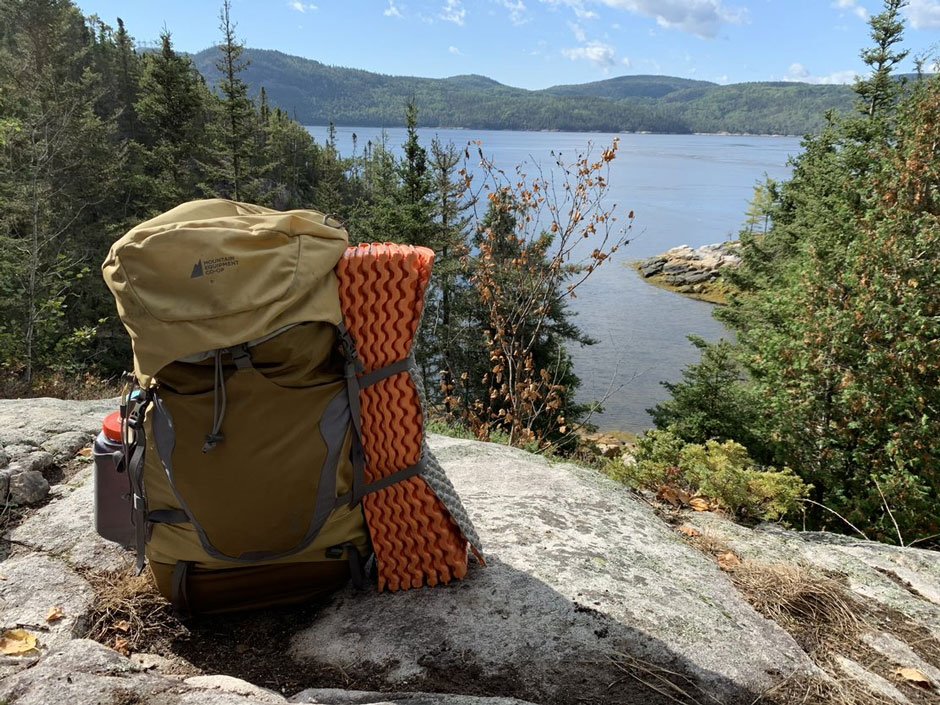
 Traveling light and leaving no trace is more than an outdoor philosophy. It is a mindset that allows you to experience the world’s most breathtaking destinations while preserving them for the travelers who will come long after you. Whether you are backpacking through forests, exploring ancient ruins, or joining guided experiences like machu picchu tours, the way you prepare and behave directly affects the environment. When you simplify what you carry and focus on minimizing your footprint, you open the door to deeper, more intentional exploration.
Overuse Can Equal Abuse
Many travelers do not realize how quickly well-loved destinations can degrade from overuse. A single piece of trash may seem insignificant, yet multiplied by hundreds of thousands of visitors, it becomes a real environmental threat. Traveling light encourages you to rethink what you bring so that you generate less waste. The leave no trace mindset extends this idea by challenging you to consider your impact at every step. Together, these approaches create a balanced, mindful way of moving through nature that protects fragile ecosystems.
This philosophy has roots in conservation programs worldwide that aim to protect natural and cultural landscapes for future generations. It aligns closely with guidance from organizations such as the National Park Service, which offers clear recommendations for responsible outdoor recreation: National Park Service guidance on Leave No Trace. The goal is simple but powerful. Enjoy nature fully while leaving it exactly as you found it.
Why Traveling Light Matters
Packing light is often associated with convenience, but it also plays a significant role in environmental responsibility. The more items you pack, the more waste you are likely to create. Heavier loads also require more energy to transport, whether by plane, bus, or your own two feet. This increased energy use may not be immediately obvious, but it contributes to your overall environmental footprint.
Traveling light also encourages more thoughtful preparation. When you intentionally pack only what you need, you reduce the likelihood of relying on disposable items or purchasing unnecessary goods along the way. This reduces packaging waste and helps you stay aligned with your goal of minimizing impact.
Sticking to Established Trails and Campsites
One of the foundational principles of low impact travel is staying on established trails. Straying off marked paths can damage vegetation, contribute to soil erosion, and disturb wildlife habitats. Even a few steps off trail may seem harmless; but repeated off trail travel gradually widens paths and disrupts the natural landscape.
Similarly, established campsites are chosen specifically because they can better withstand visitor use. Creating new campsites damages vegetation and disrupts fragile ecosystems. Whenever possible, choose existing sites and follow local guidelines regarding where camping is permitted.
Carrying Out All Waste
Anything you bring into nature should leave with you. This includes food wrappers, fruit peels, tissues, and anything else that does not naturally belong in the environment. Even items that biodegrade slowly, like paper or food scraps, attract animals, disrupt natural behavior patterns, and leave visible traces for months.
In many protected areas, visitors are required to pack out all waste, including toilet paper. This is essential to preserving the cleanliness and integrity of natural habitats. To help travelers reduce their impact, organizations like Leave No Trace Center for Outdoor Ethics offer practical tips for proper waste disposal: Leave No Trace outdoor ethics principles.
Avoiding the Disturbance of Wildlife
Wildlife interactions often create some of the most memorable moments during outdoor adventures, but they also present opportunities for harm. Feeding animals, touching them, or even approaching too closely can cause stress, alter natural behaviors, and increase animals’ dependence on humans.
Observing wildlife from a distance ensures both your safety and theirs. This respectful approach also contributes to long term conservation by allowing animals to continue living in a natural, undisturbed state.
Minimizing Noise and Visual Impact
Part of leaving no trace involves respecting the natural quiet of the outdoors. Loud conversations, speakers, and artificial lighting disrupt wildlife and diminish the experience for other visitors. Traveling quietly allows you to immerse yourself more fully in the environment and appreciate the sounds of nature.
This also means keeping campsites visually unobtrusive. Avoid setting up equipment outside designated areas, and keep gear organized to maintain the natural look of the landscape.
Choosing Eco Friendly Gear and Reusable Supplies
Traveling light works best when combined with eco conscious gear choices. Reusable water bottles, containers, and utensils reduce the need for single use items. Quick drying clothing and lightweight shelter materials minimize bulk without sacrificing comfort.
Eco friendly gear not only reduces waste but also helps you adopt a more sustainable approach to future travels. Each reusable item forms part of a long-term commitment to responsible exploration.
Respecting Local Guidelines and Cultural Sensitivities
In addition to environmental stewardship, responsible travel also involves cultural respect. Many natural sites have deep cultural or spiritual significance to local communities. Following posted guidelines, respecting restricted areas, and asking questions when unsure help ensure you are honoring both the land and its people.
Being mindful of cultural norms also strengthens your connection to the destination. When you engage respectfully, you build positive relationships and deepen your understanding of the place you are visiting.
Leaving Places Better Than You Found Them
Even when you follow every guideline, there is always room to make a positive impact. Some travelers choose to pick up litter along the trail, participate in local conservation efforts, or support businesses that invest in sustainability.
These small contributions help preserve natural spaces and encourage other travelers to follow the same example. When you leave a place better than you found it, you contribute to a broader culture of responsible tourism.
A More Meaningful Way to Explore the World
Traveling light and leaving no trace is not about restricting your experience. It is about deepening it. When you reduce your impact, stay mindful of your surroundings, and approach nature with respect, your travels become more immersive and rewarding.
By making conscious choices, listening to the environment, and treading gently, you help ensure that the world’s most extraordinary places remain intact for future generations. In the end, the lightest footprint often leads to the most meaningful journey.




Leave a Reply