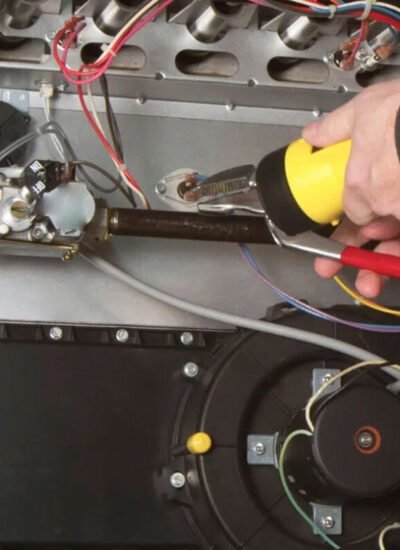
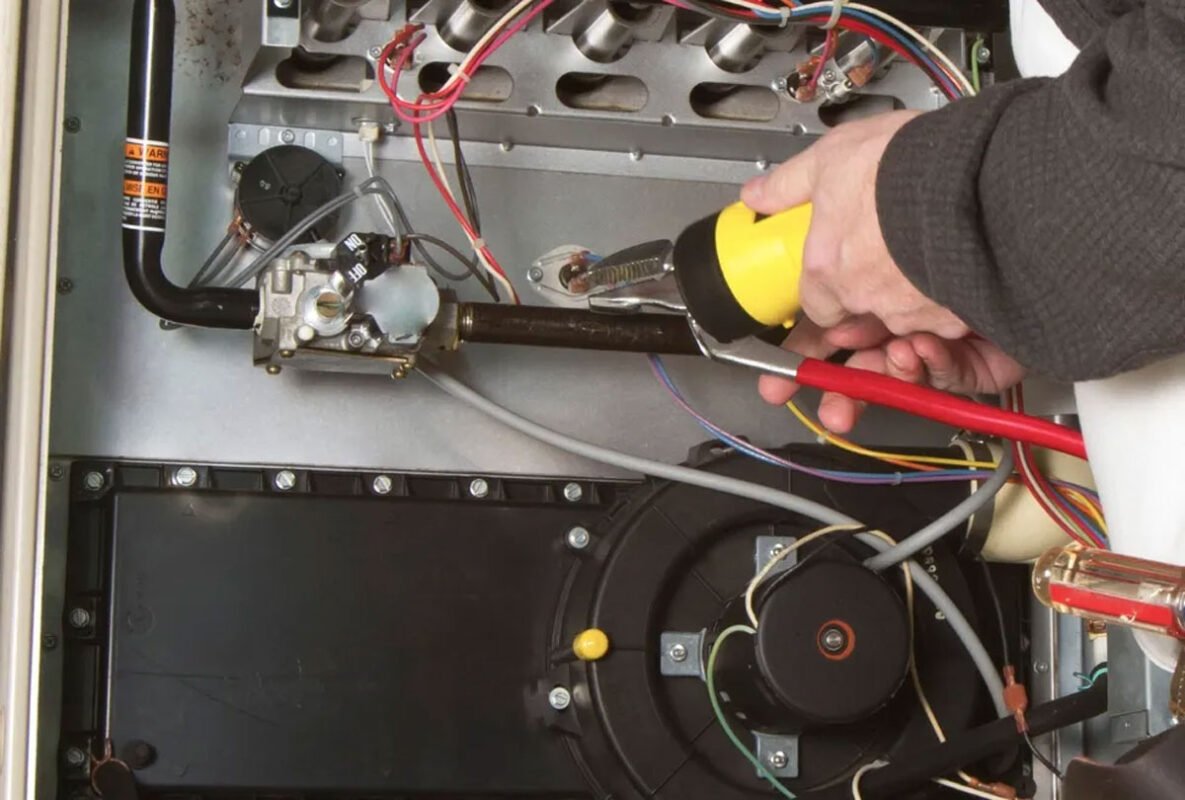
 Nothing is more annoying than your furnace kicking on, warming the house, then suddenly shutting off before it finishes the job. It can leave rooms cold and homeowners wondering if something serious is wrong. This is often the point when home heating system specialists explain that the system is actually trying to protect itself. Understanding why this happens can help you spot simple fixes early and know when it is time to call for professional help.
What It Means When Your Furnace Shuts Off Mid-Cycle
When your furnace shuts off mid-cycle, it usually means the system senses something is not working safely or efficiently. Instead of running through a full heating cycle, it stops early to prevent overheating or damage. While it can feel alarming, this behavior is often a warning sign rather than a complete system failure.
Meet the Limit Switch
The limit switch is a small but important safety device inside your furnace that monitors temperature. When things get too hot, it tells the system to shut down before damage can happen. In many cases, this switch is the reason your furnace stops mid-cycle, even though it is actually doing its job.
Common Warning Signs of a Limit Switch Problem
Here are some common signs that point to a limit switch issue. These symptoms often show up gradually, giving homeowners a chance to act before the problem turns into a bigger repair.
Furnace Turns On Then Off Repeatedly
Your furnace may start heating normally, then shut off after just a few minutes. This repeated cycling usually means the system is overheating, and the limit switch keeps stepping in to stop it.
Short Bursts of Warm Air
You might feel warm air coming from the vents, but it does not last long enough to heat the room. This can leave your home feeling uneven and uncomfortable, especially during colder days.
Blower Fan Keeps Running
Sometimes the heat shuts off, but the fan continues to run longer than expected. This is often the system trying to cool itself down after the limit switch has been triggered.
Burning Smell or Very Hot Air
A dusty or slightly burning smell when the furnace runs can signal overheating. Extremely hot air from the vents is another clue that airflow is restricted, and a furnace repair service may be needed.
Rising Energy Bills Without Better Comfort
If your furnace keeps shutting down mid-cycle, it has to work harder to maintain temperature. This extra effort can increase energy costs without actually making your home feel warmer.
The Most Common Reasons the Limit Switch Trips
Several everyday issues can cause a furnace limit switch to trip. Most of them are related to airflow problems or internal components working harder than they should.
Dirty or Clogged Air Filters
A clogged air filter restricts airflow, causing heat to build up inside the furnace. When this happens, the limit switch reacts by shutting the system down to prevent overheating.
Blocked or Closed Vents
Closed or blocked supply vents prevent warm air from circulating properly. This trapped heat raises internal temperatures and can trigger the limit switch repeatedly.
Dust and Debris Inside the Furnace
Over time, dust can collect on internal components and reduce airflow. This buildup makes it harder for heat to escape, leading the limit switch to shut the system off.
Blower Motor or Fan Problems
If the blower motor is weak or not running at the right speed, heat cannot move through the system efficiently. The furnace heats up too quickly, which causes the limit switch to trip.
Furnace is Too Large for the Home
An oversized furnace heats the air faster than the system can distribute it. This rapid heat buildup often triggers the limit switch even though the furnace itself is not broken.
Quick Fixes Homeowners Can Try First
Prior to summoning a professional, there are some easy steps that the owners themselves can do safely. Such quick fixes usually help to resolve small problems with the airflow and may return the furnace to its normal operation.
Replace the Air Filter
Start by checking the air filter and replacing it if it looks dirty or clogged. A clean filter improves airflow and helps prevent heat from building up inside the furnace.
Open and Clear All Vents
Walk through your home and make sure all supply and return vents are open and unobstructed. Furniture, rugs, or dust buildup can block airflow and cause overheating.
Check the Thermostat Settings
Make sure the thermostat is set to heat and programmed correctly. Incorrect settings can cause short cycling that looks like a furnace problem but is actually a control issue.
Give the Furnace Time to Cool
If the furnace has been shutting off repeatedly, turn it off and let it cool down for about 30 minutes. This allows the limit switch to reset before restarting the system.
Restart the Furnace Safely
Once the system has cooled, turn it back on and monitor how it runs. If it completes a full heating cycle, the issue may have been a simple airflow problem.
When a Fast Professional Repair Makes Sense
If your furnace keeps shutting off even after basic fixes, it is time to bring in a professional. Ongoing mid-cycle shutdowns often point to deeper issues that require proper tools and experience to diagnose. A fast professional repair can restore safe operation and prevent more expensive damage down the line.
How Preventive Maintenance Stops Mid-Cycle Shutdowns
Regular preventive maintenance helps catch airflow and heat issues before they cause shutdowns. A technician can clean internal components and make small adjustments that keep temperatures stable. This routine care keeps your furnace running smoothly and reduces the chance of surprise breakdowns.
Final Thoughts
A furnace that shuts off mid-cycle can be frustrating, but it is often a warning rather than a serious failure. Paying attention to the signs and taking quick action can save time, energy, and money. When in doubt, home heating system specialists can provide the expertise needed to keep your system running safely and reliably.

Leave a Reply