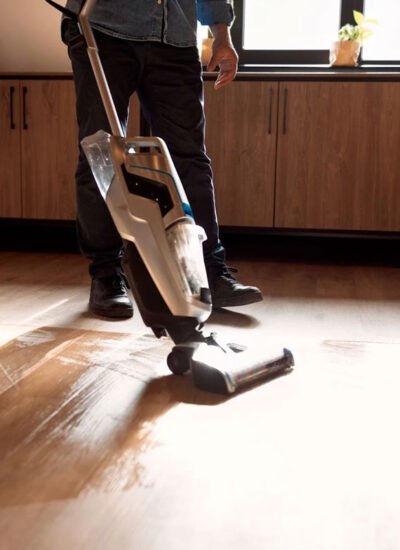
You mop regularly, maybe even daily, but your floors still don’t feel as clean as they should. There’s a reason for that, and it’s not your technique. Traditional mopping, no matter how thorough, leaves behind more than you might expect.
Even with hot water and a decent cleaning solution, mopping can’t always lift the fine dust, oily film, or residue that settles deep into hard flooring. It’s frustrating because it feels like you’re doing the work, but the results don’t quite reflect the effort. That faint stickiness under bare feet, the dullness that never really lifts, or the grit that shows up just a few hours later — all of it points to one thing. Mopping is only doing part of the job.
In homes with kids, pets, or high foot traffic, it becomes more obvious. What looks clean at a glance often isn’t, and that can affect both the look and feel of your living space. Getting ahead of it isn’t about scrubbing harder or mopping more often. It starts with understanding what mops miss — and why floors need more than water to stay truly clean.
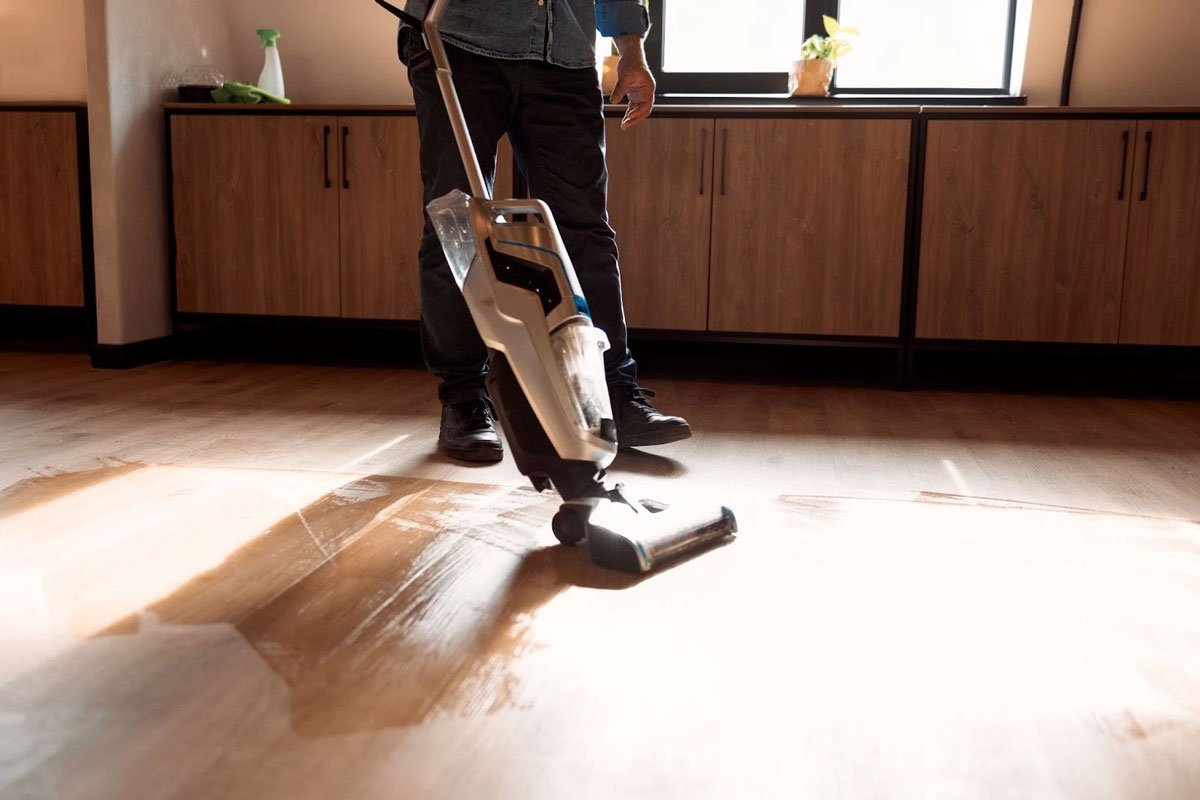
How Residue Builds Up on Hard Floors
Every time someone walks in from outside, you’re adding more than just footprints to your floor. Tiny bits of dirt, skin cells, grease from cooking, spilled drinks, pet dander — it all ends up layered across your hard surfaces. A mop, no matter how well-wrung or how expensive, tends to smear the lighter particles around and dilute the sticky ones rather than remove them fully.
The water gets dirty fast. Even if you’re changing it out halfway through, there’s a good chance you’re still pushing some of that grime back across the floor. Over time, that leaves behind a patchy film — dull in some spots, sticky in others — that builds up gradually.
Floors might look fine when they’re damp, but once they dry, the streaks and haze give it away. In older homes or places with textured tiles or laminate seams, those little crevices hold onto grime even more. And it’s not always visible. Allergens, bacteria, and odour-causing residue can linger below the surface, making your clean floors less hygienic than you think.
The Limitations of Traditional Cleaning Tools
There’s a reason why floor cleaning still feels like a chore — the tools most people use aren’t built for the full job. Microfibre flat mops are quick, but they rely on friction and fabric absorption. String mops soak up more, but they’re awkward to rinse and leave floors wet for too long. Sponge heads pick up surface mess, but struggle with embedded grit. No matter the type, most mops rely on dragging moisture across the surface and hoping it lifts what’s underneath.
Another issue is the water itself. Once it’s dirty, you’re essentially cleaning with the same grime you started with. Even if you’re careful about rinsing, you’re never really starting fresh. You’re cleaning with compromise.
That’s not just a hygiene problem — it’s a time-waster. You can spend thirty minutes mopping a floor that still feels dusty or sticky an hour later. And if you’re in a home with pets or toddlers, that stickiness isn’t just annoying. It means dirt’s still there, clinging to every step.
What Makes a Difference in Real-World Cleaning
Clean floors shouldn’t just look good right after you’ve mopped — they should feel clean for longer. That’s where most traditional methods fall short. Surface-level cleaning gives you that temporary shine, but it doesn’t deal with what’s sitting deeper in the flooring itself. To actually remove dirt, it has to be lifted, not just re-wetted and wiped.
Modern floor surfaces, especially hybrid planks and low-sheen tiles, are notorious for holding onto fine particles and oily residue. The more texture or grain, the more likely grime is to settle in and stay there. This is where suction becomes key. A cleaner that can sweep, vacuum and lightly mop in one go gives you the best shot at removing everything — dry dust, wet spills, and sticky patches — without over-saturating the floor.
Using a hard floor cleaner that manages both wet and dry mess cuts through that hidden layer of dirt and doesn’t leave streaks behind. The technology does the work of several tools at once. There’s no dirty bucket to deal with, and you’re not guessing whether you’ve actually picked everything up. Instead of spreading the problem around, it’s collected and removed in one go.
Keeping Floors Clean Between Deep Cleans
Once your floors are properly cleaned, keeping them that way becomes much easier — and faster. You don’t need to deep clean every week if daily maintenance is more effective. Most people mop in response to visible messes or that tacky underfoot feeling, but when your cleaning method actually removes the grime, that feeling doesn’t return as quickly.
For homes with kids crawling on the floor or pets tracking in dirt, it makes a big difference. Quick spot cleans no longer feel like a half-measure, because you’re using a method that actively lifts particles rather than just wetting the surface. You’re not waiting for floors to dry or chasing streaks with a dry towel after the fact.
It also helps preserve the condition of your flooring. Less water means less risk of swelling or damage in floorboards and laminates. You’ll start to notice fewer smudge marks from bare feet, less reappearing dust, and no more weird sticky zones in high-traffic areas. Clean starts to mean something you can see — and feel — every day, not just right after the mop gets put away.
Rethinking Floor Care for Modern Homes
Open-plan living, matte floor finishes, and hybrid materials have changed how we clean. Older methods were built for tiled laundry rooms and polished floors that could handle a bit of water and elbow grease. But the surfaces in most Australian homes today aren’t designed for soaking or scrubbing — they show every smudge, absorb moisture more easily, and often need gentle care to keep them looking fresh.
That’s why more people are moving toward tools that do more in one go. Devices that collect solid debris, control moisture and clean without harsh chemicals are taking the pressure off everyday cleaning routines. Not only are they faster and more consistent, but they’re also less wasteful. You’re not tipping buckets of grey water down the sink or going through mop heads every month. And importantly, you’re not waiting half an hour for your floors to dry.
This kind of cleaning approach suits how we actually live now — with pets roaming inside, kids eating on the floor, and dirt constantly tracked through the house. It’s less about deep cleaning once a week, more about maintaining a spotless surface every day without needing to mop just to feel like you’ve done something.
Why Clean Should Feel Clean
If your floors still feel grimy after a fresh mop, it’s not just you. It’s the method. Mopping can’t do what we expect it to — not on its own. Between the residue that gets left behind and the effort it takes to achieve short-term results, it’s clear most traditional tools are working against you.
There are more innovative ways to clean that actually remove mess instead of moving it around. When you shift to methods that lift dirt properly, the difference is immediate. Your floors stay cleaner for longer, feel better underfoot, and don’t need constant attention just to maintain the basics. Clean should mean clean — not just damp, not just temporarily shiny, but genuinely fresh, clear and done.


Leave a Reply