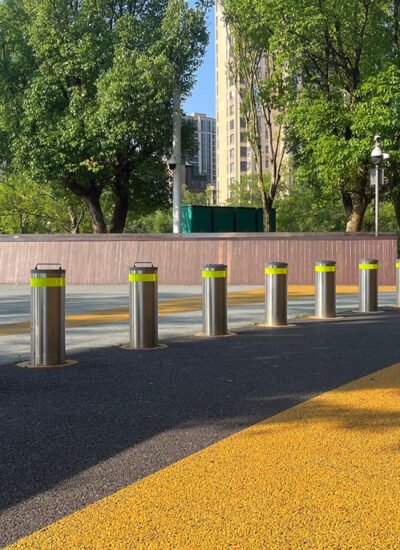
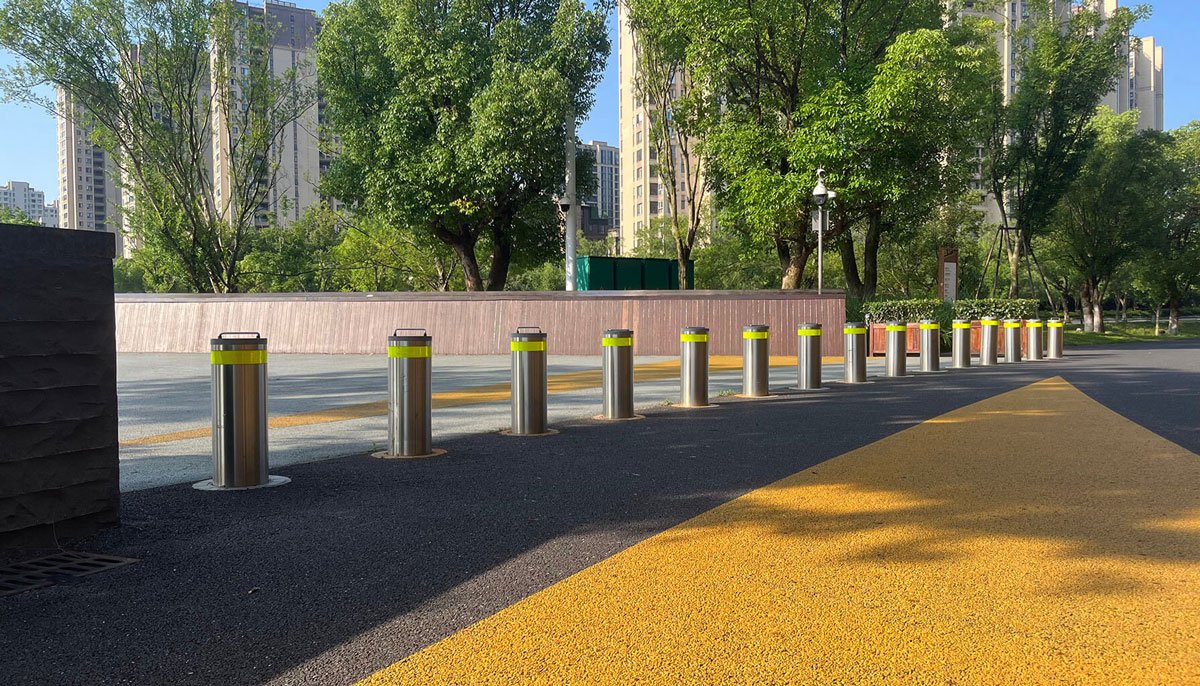
 Collapsible bollards show up in places where access can’t be all-or-nothing. They let vehicles through when needed while still protecting pedestrian areas the rest of the time. From fire lanes and campuses to storefront walkways and city streets, these retractable posts help balance safety, access, and everyday movement without locking a space into a single use.
For facility managers and planners, the real value comes down to how well bollards fit daily operations. Traffic flow, staff availability, maintenance routines, and surface conditions all play a role in how smoothly they work over time. Choosing consistent specifications, thinking through placement, and planning for upkeep can cut down on delays, repairs, and confusion. With that practical lens in mind, the following use cases show where collapsible bollards tend to work best—and what details matter most in each setting.
Fire Lanes and Emergency Access
A vehicle-override mechanism built into bollard housings lets emergency and authorized vehicles pass without manual removal, cutting delays at fire lanes. Proper post spacing preserves mandated lane widths and turning clearances for fire apparatus, and mounting depth affects stability under repeated vehicle impact. Coordinate post layout with curb returns and hydrant locations to avoid interference.
High-visibility finishes and reflectors improve driver recognition during low-light responses and reduce accidental obstruction. Defined reset procedures assign responsibility, specify timing, and document activations so lanes return to compliance quickly after each use. Regular functional checks and simple staff drills confirm override mechanisms and reset timing work as specified, and schedule reviews around seasonal maintenance.
Pedestrian Plazas and Mixed-Use Walkways
Collapsible bollards work especially well in plazas and shared walkways where vehicles need occasional access but people come first. When lowered, flush-mounted posts sit almost level with the pavement, keeping walking surfaces smooth and reducing trip risks. They allow deliveries, maintenance, or event vehicles without turning public spaces into permanent barriers, which helps preserve openness and sightlines.
Placement matters. Aligning bollards with paving joints and drainage paths helps avoid water pooling and long-term surface damage. Clear visual cues—like reflective bands, contrasting trim, or subtle LEDs—make it obvious when access is open or closed without relying on extra signs. Low-profile installations also make life easier for maintenance crews, from cleaning to snow removal, especially when spare parts and layouts stay consistent.
Parking Control at Commercial Properties
Retail and commercial sites balance pedestrian comfort with vehicle access. Bollards prevent drivers from cutting through storefront walkways while still allowing entry for tenants, deliveries, and service vehicles. Low-profile posts with smart spacing protect pedestrian areas without creating tight turns or awkward circulation.
Access methods should match daily operations. Keyed locks, electronic timers, or staff-controlled systems suit different hours and staffing setups. Clear visual markers on posts show drivers where entry is allowed, reducing hesitation and errors. Routine checks aligned with staff shifts keep systems working reliably, and placing posts slightly away from main entrances helps guide vehicles into proper circulation paths.
School and Campus Perimeters
On campuses, bollards help keep vehicles out of sidewalks and gathering areas while still supporting drop-offs, deliveries, and emergency access. Retractable posts placed along curb lines protect walking paths without feeling overly restrictive. Spacing and foundation depth are especially important here, since posts are raised and lowered often and need to stay stable over time.
Consistency makes a big difference. Using the same locking systems and finishes across campus speeds up repairs and simplifies training for facilities teams. High-contrast colors and reflective elements help drivers spot access points at turns and decision areas. Routine checks during low-traffic times keep everything working without disrupting daily campus life.
Municipal Streets and Service Zones
On city streets and service areas, collapsible bollards give municipalities flexibility without permanent roadway changes. Crews can open lanes for events, deliveries, or maintenance and close them again without cutting pavement or installing fixed barriers. Using consistent bollard models across departments simplifies training and reduces spare-part needs.
Thoughtful placement keeps daily operations moving. Posts should stay clear of street sweeping paths, snow removal routes, and utility access points. Regular inspections tied to maintenance calendars catch bent posts or frozen mechanisms early. Aligning checks with seasonal prep keeps bollards reliable without adding workload.
Effective access control depends on more than placing posts in the ground. Across fire lanes, plazas, parking areas, campuses, and service zones, the best results come from aligning spacing, locking methods, and installation depth with real traffic patterns. Standardizing models simplifies repairs and staff training, while routine checks paired with sweeping or winter prep reduce unexpected issues. When planned with daily operations in mind, retractable posts stay reliable, keep access organized, and support changing site needs without constant attention or disruption.


Leave a Reply