
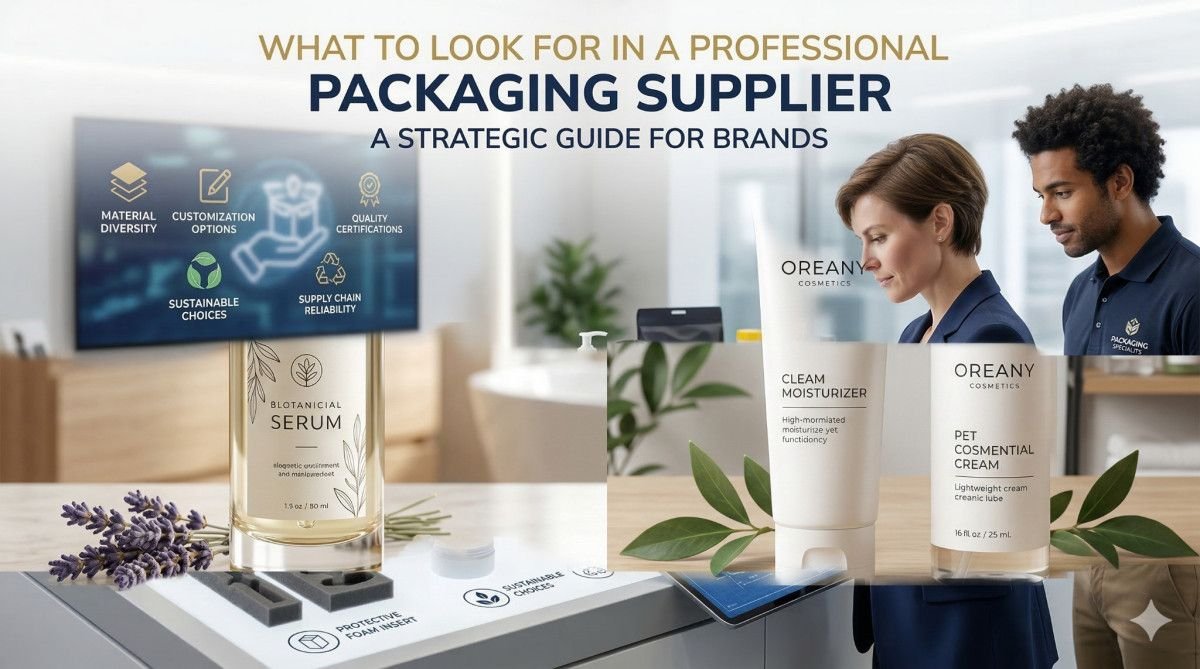
Choosing the right packaging supplier is an important decision for any product-based business. Packaging affects more than just how a product looks on a shelf. It influences product protection, production efficiency, and even how customers experience the brand. Because of this, businesses should evaluate packaging suppliers carefully and look beyond price when selecting a reliable partner.
Packaging Suppliers Do More Than Just Deliver Containers
Many businesses first think of packaging suppliers as companies that simply provide bottles, jars, or boxes. In reality, their role goes much further than that. Packaging directly affects how products are stored, transported, and used by customers.
A well-designed container protects the product during shipping and prevents contamination. At the same time, packaging influences how customers perceive a brand when they first see the product. If the packaging feels cheap or unreliable, customers may question the product quality as well.
Because packaging touches so many parts of a business, working with the right supplier becomes an important part of product development and long-term brand success.
A Quick Check Before You Even Contact a Supplier
Before reaching out to packaging companies, businesses should take a moment to evaluate whether a supplier is likely to meet their needs. A quick initial check can save time and prevent unnecessary conversations with suppliers who are not a good fit.
Some helpful things to review early include:
- whether the supplier works with your type of products
- the packaging materials they offer
- their minimum order quantities
- their ability to support larger orders in the future
These simple checks help narrow down the list of potential suppliers and make the selection process more efficient.
Experience Shows in the Questions a Supplier Asks
One easy way to recognize an experienced packaging supplier is by the type of questions they ask. Instead of immediately suggesting a container, knowledgeable suppliers usually want to understand the product first.
For example, they may ask about the product formula, the type of dispensing system required, and how the product will be shipped or stored. These questions help ensure that the packaging selected will perform well throughout the product’s lifecycle.
Less experienced suppliers may simply recommend standard containers without considering how the packaging interacts with the product. Over time, this can lead to issues such as leaks, compatibility problems, or damaged goods during transportation.
Packaging Variety Can Save Time Later
Another important factor when choosing a packaging supplier is the range of products they offer. Businesses often start with a single product, but successful brands usually expand their product lines over time.
Suppliers with a broad packaging catalog make it easier for companies to introduce new products without starting the supplier search process again. Having access to different container styles, sizes, and closure options can simplify future product development.
| Packaging Type | Common Uses |
| Bottles | lotions, serums, cleansers |
| Jars | creams, balms, body butters |
| Vials | samples, oils, concentrated formulas |
| Pumps and droppers | controlled product dispensing |
Working with a supplier that offers multiple packaging options allows businesses to maintain a consistent brand look while adapting to new product needs.
Reliability Matters More Than Price
Price is often one of the first things businesses look at when comparing packaging suppliers. While cost is important, reliability usually matters even more over time.
Unreliable suppliers can cause production delays if packaging arrives late or inconsistent batches create quality problems. These issues may force companies to delay product launches or pause production while waiting for replacements.
A dependable supplier delivers consistent packaging quality and maintains clear production schedules. This reliability helps businesses plan their manufacturing and distribution more confidently.
Communication Can Reveal a Lot About a Supplier
Communication is another important factor that businesses sometimes overlook. Clear and responsive communication helps prevent misunderstandings during the packaging selection process.
When suppliers respond quickly and provide clear information, it becomes easier to solve problems and make decisions. On the other hand, slow or unclear communication can lead to confusion about specifications, order timelines, or product compatibility.
Strong communication often shows through simple behaviors such as:
- responding promptly to questions
- providing clear product information
- offering guidance during packaging selection
These small signs can indicate whether a supplier will be easy to work with over the long term.
Can the Supplier Grow With Your Brand
Businesses should also consider how well a packaging supplier can support future growth. A company that starts with small orders today may require larger production volumes later as demand increases.
Suppliers with scalable production capabilities can handle this growth more smoothly. They can increase order volumes, maintain consistent packaging quality, and support the introduction of new packaging styles when product lines expand.
Choosing a supplier that can grow alongside the business helps avoid the disruption of switching suppliers during critical stages of expansion.
Sustainability Is Becoming a Key Expectation
Packaging sustainability has become an important topic for many businesses and consumers. Customers are increasingly aware of environmental concerns, and packaging choices often reflect a brand’s commitment to responsible practices.
Many packaging suppliers now offer recyclable materials, recycled plastics, or packaging designs that reduce material usage. These options allow businesses to improve sustainability while still maintaining functional and attractive packaging.
Considering sustainability during supplier selection can help businesses align packaging choices with customer expectations and long-term environmental goals.
Working With the Right Packaging Partner
A professional packaging supplier should function as more than a vendor. The best suppliers act as partners who help businesses evaluate packaging options, solve technical challenges, and plan for future growth.
Companies such as FH Packaging work with brands to provide packaging solutions that balance functionality, quality, and design. With guidance from an experienced supplier, businesses can choose packaging that protects their products while supporting brand identity and operational efficiency.
A strong supplier relationship can make the entire product development process smoother and more reliable.
Final Thoughts
Selecting a professional packaging supplier requires careful evaluation of several factors. Experience, reliability, communication, and product range all contribute to how well a supplier can support a business.
When businesses choose a packaging partner that understands their needs and long-term goals, they create a foundation for consistent product quality and smoother operations. In the long run, the right packaging supplier becomes an important contributor to a brand’s success.




Leave a Reply