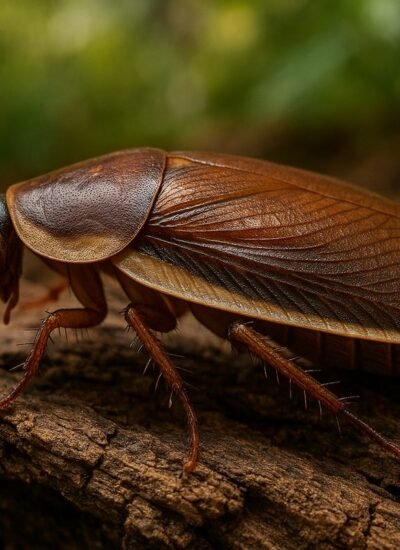
Understanding the Tree Roach: An Accidental Visitor
Discovering a roach-like insect in your home can be an unsettling experience. However, before you panic, it is important to understand that not all roaches are created equal. The insect you have encountered may be a tree roach, also known as a wood roach, which is a harmless outdoor insect that occasionally wanders indoors by mistake.
Unlike their indoor counterparts, tree roaches are not a sign of a dirty home or a looming infestation. They are simply accidental visitors that have strayed from their natural habitat. Understanding the differences between tree roaches and true pest cockroaches can save you unnecessary stress and the cost of unneeded pest control treatments.
How to Identify a Tree Roach
Proper identification is the first step in determining whether you have a problem. Tree roaches have several distinct features that set them apart from indoor pest species.
Key Physical Characteristics
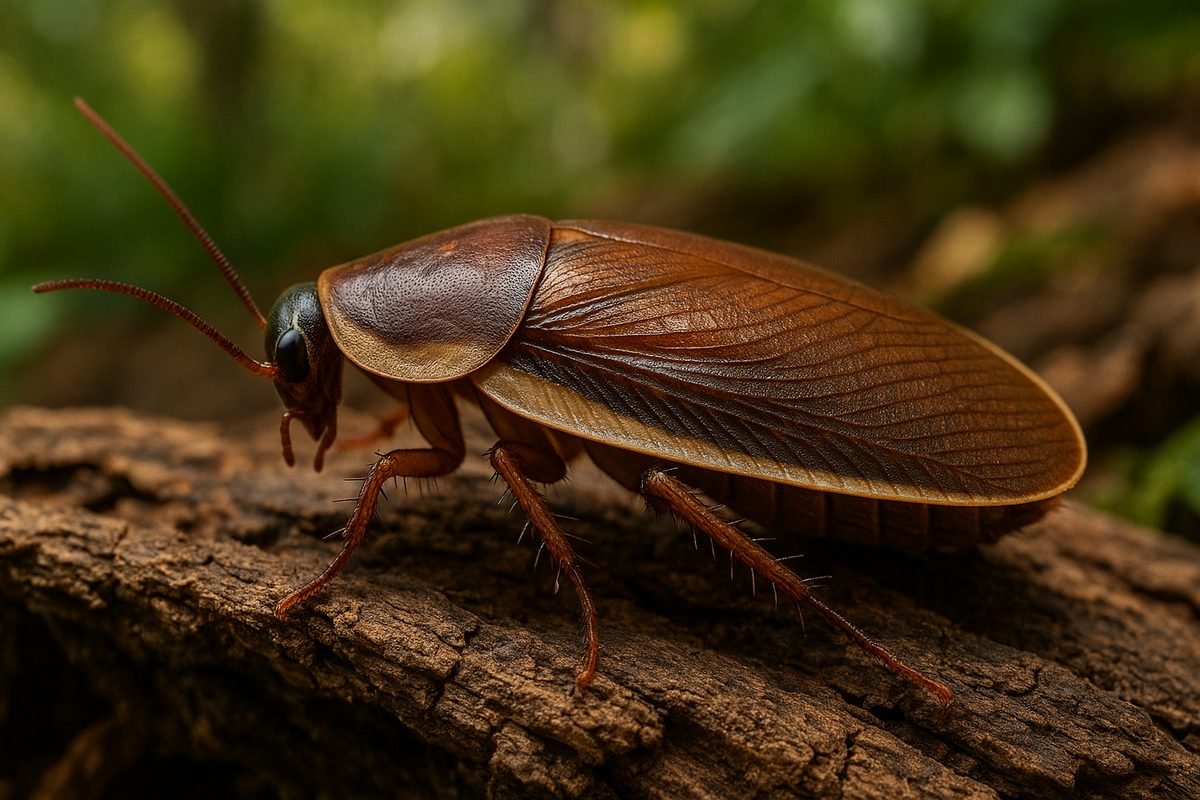
Tree roaches are typically about 0.75 to 1.25 inches in length, with a flat, oval-shaped body. They are chestnut brown in color, and their most telling feature is a pale, creamy white or transparent stripe along the outer edge of their bodies and wings. This distinctive marking is a key identifier for the species.
Male vs. Female Differences
There are noticeable differences between male and female tree roaches. Adult males have long, well-developed wings and are capable of flight. In contrast, females have very short, underdeveloped wings or small wing pads, rendering them unable to fly. Females also tend to be smaller, shinier, and darker in color than their male counterparts.
The Natural Habitat and Behavior of Tree Roaches
Tree roaches are outdoor insects that thrive in moist, wooded environments. Their behavior is quite different from that of the cockroaches you might find in your kitchen.
Where They Live
These insects live in and around decaying organic matter. You can find them in woodpiles, under the loose bark of trees, in rotting logs, and among leaf litter. They require a consistently moist environment to survive, which is why they are rarely found living indoors for extended periods.
Unique Behaviors
One of the most peculiar behaviors of tree roaches, particularly the males, is their attraction to light. This is in stark contrast to indoor cockroaches, which scatter when a light is turned on. Tree roaches are also active during the day and do not scurry away when approached, often moving slowly and openly.
Tree Roach vs. Indoor Cockroach: A Clear Comparison
To help you distinguish between a harmless tree roach and a problematic indoor cockroach, here is a side-by-side comparison:
| Feature | Tree Roach (Wood Roach) | Indoor Cockroach (e.g., German, American) |
|---|---|---|
| Habitat | Outdoors in moist, wooded areas | Indoors in kitchens, bathrooms, and basements |
| Behavior | Attracted to light, slow-moving | Flees from light, fast-moving and secretive |
| Indoor Survival | Cannot survive or reproduce indoors | Thrives and multiplies rapidly indoors |
| Health Risk | Minimal; not known to spread disease | High; can carry bacteria and trigger allergies |
| Infestation Risk | Does not infest homes | High risk of infestation |
Are Tree Roaches Harmful? A Look at the Risks
For homeowners, the good news is that tree roaches are considered nuisance pests at worst. They do not pose a significant threat to your health or your home. They are not known to carry or transmit diseases to humans, and they will not damage your home or furniture.
While they are not dangerous, their body fluids, droppings, and shed skins can trigger allergies in some sensitive individuals. However, because they cannot survive for more than a few days in the dry indoor environment of a home, this is a rare occurrence.
Simple and Effective Ways to Keep Tree Roaches Out
Preventing tree roaches from entering your home is relatively straightforward. A few simple measures can help you keep these accidental visitors outside where they belong.
Prevention Strategies
Start by sealing any potential entry points. Check for cracks and crevices around doors, windows, and utility pipes, and seal them with caulk. Ensure that your window screens are in good repair and that your doors have tight-fitting seals.
Since male tree roaches are attracted to light, consider reducing your use of outdoor lighting, especially during their mating season in late spring and early summer. You can also switch to yellow light bulbs, which are less attractive to insects. If you have a woodpile, store it as far away from your house as possible.
What to Do If You Find One Indoors
If you do find a tree roach in your home, there is no need for alarm or chemical treatments. The simplest solution is to gently sweep it into a dustpan and release it outside. You can also use a vacuum cleaner to remove it. Since they cannot establish an indoor population, a single tree roach is not a sign of a larger problem.
Conclusion: The Harmless Wanderer
While the sight of a tree roach might be startling, it is important to remember that they are harmless wanderers that have simply lost their way. By understanding their appearance, behavior, and outdoor habits, you can easily distinguish them from their more problematic relatives.
With a few preventative measures, you can ensure that these accidental visitors remain outside, leaving you with peace of mind and a roach-free home. There is no need to fear the tree roach; it is just a small part of the natural world that has briefly crossed paths with yours.




Leave a Reply